
The global energy landscape is often volatile, shaped by geopolitical tensions, supply chain disruptions, and fluctuating demand. Recently, the ongoing conflict in Iran has significantly impacted energy markets, allowing major commodity-trading firms, like Glencore, to achieve remarkable profits. With the potential for one of its best trading years yet, Glencore’s latest performance offers valuable insights into how traders can capitalize on market dislocation.
In its recent trading update, Glencore disclosed that its oil and gas division is on track to exceed its long-term earnings guidance. The company anticipates that its full-year core earnings from trading could comfortably surpass the previously set benchmark of $3.5 billion. This marks a significant increase compared to the $2.9 billion generated in the previous year. Such performance highlights how commodity traders can thrive amid global instability, particularly in the energy sector.
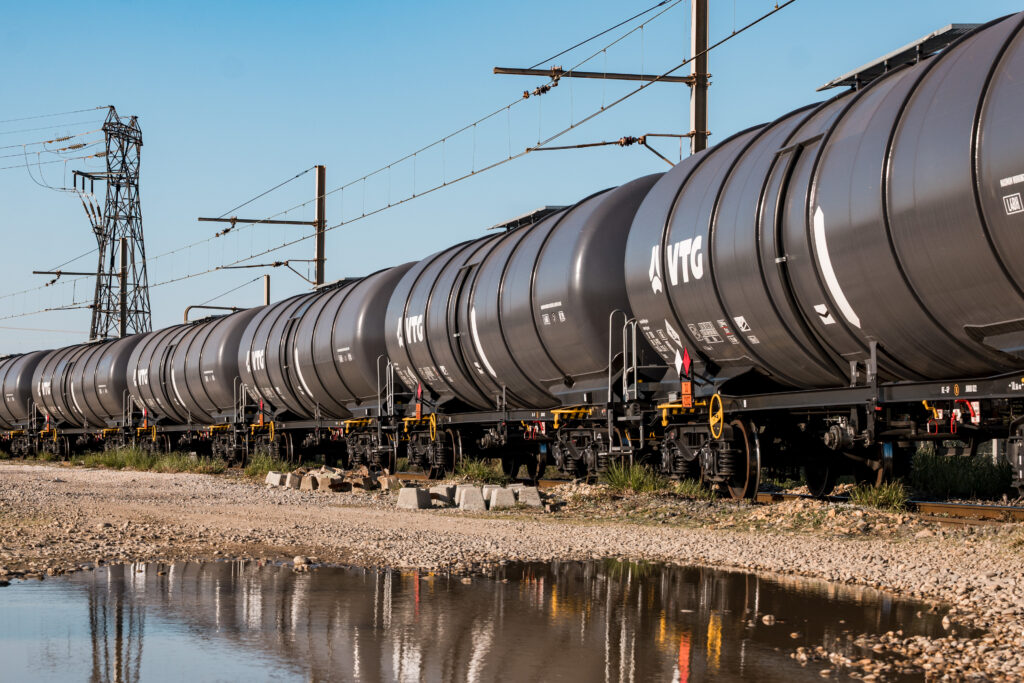
The ongoing conflict in Iran has created a ripple effect throughout the energy markets, leading to unprecedented price surges. With the Strait of Hormuz—an essential maritime route for global oil transport—experiencing significant disruptions, traders are witnessing immediate availability of oil and fuel products commanding premium prices. This has prompted a global scramble among countries and businesses to secure physical oil supplies, a scenario that has benefited leading commodity-trading firms like Glencore.
Moreover, Glencore is not alone in reaping these rewards. Competitors such as Vitol Group and Trafigura Group have also reported substantial profits during this tumultuous period. Vitol, for instance, informed its banking partners that it achieved profits of around $2 billion in just the first quarter of the year. Trafigura, the second-largest oil trader and a prominent player in metals trading, has experienced two of its top-performing quarters in recent history. This trend reflects a broader theme within the industry, where traders are capitalizing on market volatility to enhance their profit margins.
Key takeaways from Glencore’s recent performance and the energy market’s current state include the importance of agility and responsiveness in trading strategies. The ability to quickly adapt to changing market conditions can lead to significant financial benefits. Furthermore, the recent surge in energy prices underscores the enduring nature of geopolitical risks and their capacity to reshape market dynamics. Traders and investors should remain vigilant and informed about geopolitical developments, as they can have immediate and far-reaching effects on commodity prices.
For traders and investors looking to navigate this complex landscape, several insights can be drawn from Glencore’s experience. First, maintaining a diversified portfolio can help mitigate risks associated with sudden market shifts. By investing in a range of commodities, traders can buffer against downturns in any single market. Additionally, employing analytical tools and real-time data can enhance decision-making processes, allowing traders to act swiftly in response to emerging opportunities.
Another critical insight is the significance of establishing strong relationships within the industry. Building networks with suppliers, buyers, and fellow traders can provide valuable insights into market trends and potential shifts, which can be crucial for making informed trading decisions. As evidenced by the recent performance of commodity firms, collaboration and communication can yield substantial advantages in times of market upheaval.
In conclusion, Glencore’s impressive profitability amidst the Iranian conflict illustrates the potential rewards of navigating the unpredictable waters of global energy markets. While the ongoing geopolitical tensions present a multitude of challenges, they also create opportunities for traders willing to adapt and respond effectively. By focusing on diversification, leveraging analytical tools, and fostering strong industry relationships, traders and investors can position themselves to capitalize on future market movements, ensuring they remain resilient in the face of ever-changing market dynamics. The current energy crisis serves as a potent reminder of the intricate interplay between global events and market behavior, underscoring the importance of vigilance and strategic foresight in trading endeavors.