
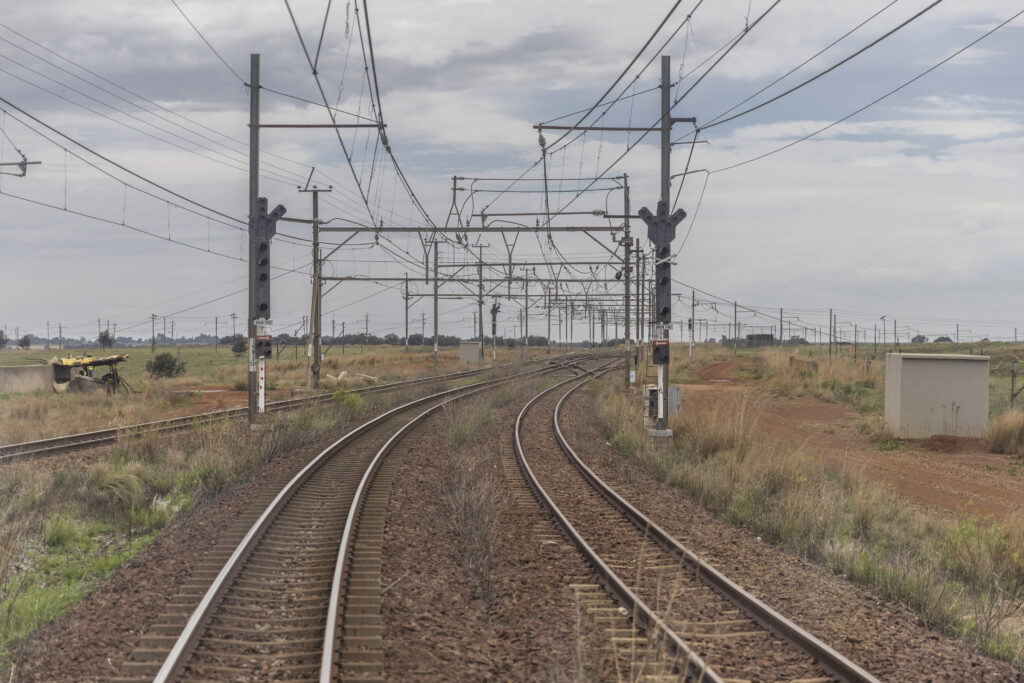
In the dynamic world of logistics, opportunities often emerge in unexpected places. This is particularly true in South Africa, where African Rail Co (ARC), a private rail logistics firm, is gearing up to make a significant investment in the country’s freight infrastructure. With plans to raise $170 million this year, ARC aims to enhance its operations by acquiring locomotives and wagons, all while addressing the pressing need for improved transport efficiency. This venture not only reflects the potential for private investment to rejuvenate South Africa’s struggling logistics sector but also highlights the growing interest from international investors.
South Africa’s freight network has long been dominated by Transnet, the state-owned logistics company, which has faced criticism for its inability to meet the growing demands of the economy. With an ambitious goal of attracting R2 trillion ($119 billion) in private sector investment, the South African government is actively seeking to introduce more competition into the logistics market. In this context, ARC has emerged as one of the key players, having successfully secured a license to operate trains on the national freight network.
The impetus behind ARC’s expansion is multifaceted. First and foremost, there has been a significant increase in demand for transportation services, particularly for critical minerals essential to various industries. As economies around the world pivot toward greener technologies and sustainable practices, the need for efficient transport solutions for heavy cargo is more pressing than ever. According to ARC’s CEO, Youssef Elgonaid, rail transport is uniquely positioned to address these needs overland, making it a vital component of the logistics chain.
One of the strategic routes that ARC plans to operate on runs to South Africa’s northeastern border with Mozambique, facilitating the movement of goods across borders. This route is expected to significantly enhance trade flows between the two countries, while also alleviating some of the pressure on the existing infrastructure. Additionally, ARC will operate on a crucial line linking Gauteng province, South Africa’s economic powerhouse, to the port of Durban, which is essential for container cargo transportation. By tapping into these key routes, ARC aims to optimize the supply chain and improve the overall efficiency of freight movement.
In terms of financing, ARC plans to source approximately 30% of the required $170 million through equity, with the remainder to be raised through debt. The interest from private equity firms, particularly those based in the Middle East, underscores the growing confidence in South Africa’s logistics sector. The involvement of development finance institutions also signals a broader recognition of the potential for sustainable investment in the region. Such backing is crucial, as it not only assists in funding the initial capital requirements but also fosters confidence in the long-term viability of rail logistics in South Africa.
Key points to consider about ARC’s strategy include the following:
1. **Private Sector Investment**: The move towards private sector involvement in South Africa’s logistics is a significant shift that could lead to improved efficiency and performance in an industry that has struggled under state ownership.
2. **Focus on Critical Minerals**: The rising demand for critical minerals is driving the need for more efficient transportation solutions, presenting a unique opportunity for rail logistics companies like ARC.
3. **Cross-Border Trade Enhancement**: By operating routes that facilitate cross-border trade, ARC positions itself as a critical player in bolstering regional economic growth.
4. **Diverse Funding Sources**: The company’s approach to financing through a mix of equity and debt, coupled with interest from international investors, indicates a robust business model that may attract further investment in the future.
For traders and investors, ARC’s initiative presents several insights. Firstly, the potential for growth in the freight logistics sector in South Africa should not be underestimated. As private companies like ARC step in to fill the gaps left by state-owned enterprises, there may be opportunities for significant returns on investment. Additionally, the focus on rail transport as a sustainable solution for cargo movement aligns with global trends toward environmental responsibility, making this sector increasingly attractive to socially conscious investors.
In conclusion, African Rail Co’s ambitious plans to raise $170 million for expanding its rail operations in South Africa represent a pivotal moment for the country’s logistics industry. As it seeks to improve freight transport efficiency amid growing demand for critical minerals, ARC is poised to play a vital role in reshaping the logistics landscape. With strong backing from private equity and development finance, this venture not only promises to enhance operational capabilities but also serves as a beacon of hope for revitalizing South Africa’s economic growth through improved infrastructure.