
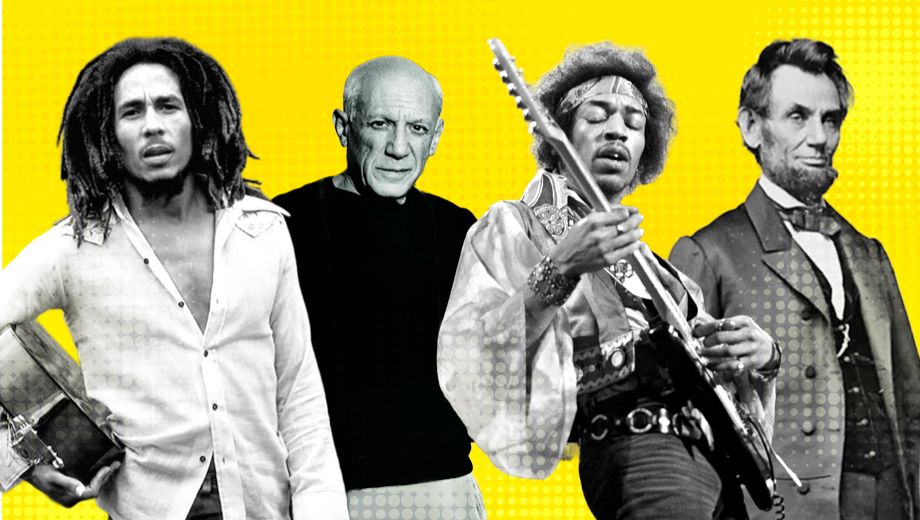
When we think of legendary figures like Bob Marley, Pablo Picasso, Jimi Hendrix, and Abraham Lincoln, we often focus on their monumental contributions to culture, art, music, and politics. However, a less glamorous but equally critical aspect of their lives is how they left their affairs in disarray upon passing. Each of these icons died without a will, leading to chaos and confusion for their loved ones. This unfortunate reality serves as a stark reminder of the importance of estate planning.
Estate planning is the process of arranging how an individual’s assets will be distributed after their death. It goes beyond merely drafting a will; it encompasses various legal documents, including trusts, powers of attorney, and healthcare proxies. The absence of a will, known as dying intestate, can lead to complications that may strain family relationships and create financial burdens. The stories of Marley, Picasso, Hendrix, and Lincoln illustrate just how severe these complications can become.
Bob Marley, the legendary reggae musician, passed away at the tender age of 36 due to cancer. Despite his immense success and a fortune estimated at $30 million, Marley died intestate, influenced by his Rastafarian beliefs. His lack of a will plunged his family into a lengthy legal quagmire, as numerous claimants emerged, each asserting their right to a portion of his estate. The Jamaican government’s involvement in managing Marley’s assets for over a decade only added to the turmoil. Eventually, his estate was distributed according to intestacy laws, which did not necessarily reflect his intentions. This example underscores the necessity of estate planning, especially for individuals with complex family dynamics or substantial assets.
Pablo Picasso, one of the most influential artists of the 20th century, also left behind a tangled estate. Despite living a full life until the age of 91, Picasso did not create a will, which resulted in a protracted inheritance battle among his heirs. His estate included not just artwork but also properties and financial assets that were immensely valuable. The absence of a will meant that years of litigation ensued, impeding the cataloguing and distribution of his art. The consequences were felt not only by his family but also resonated throughout the global art market, impacting exhibitions and sales. Picasso’s story serves as a powerful reminder of how the absence of proper estate planning can have far-reaching implications.
Jimi Hendrix, revered as one of the greatest guitarists in history, met an untimely end at the age of 27. His death left a significant musical legacy, but like Marley and Picasso, he did not leave a will. This oversight complicated the management of his estate, which included valuable music rights. Without a clear directive on how his assets should be managed or distributed, Hendrix’s family was thrust into a legal battle that could have been avoided with proper planning. The chaos that followed his death exemplifies the importance of having a solid estate plan in place, especially for those with significant intellectual property rights.
Even Abraham Lincoln, one of the most iconic presidents in American history, failed to draft a will, leading to complications for his family after his assassination in 1865. While the stakes might appear different for a historical figure, the principle remains: a lack of planning can create confusion and distress for loved ones left behind. Lincoln’s estate was entangled in disputes that delayed the distribution of his assets, a scenario that could be avoided with a properly structured estate plan.
Key takeaways from these cautionary tales include the following:
1. **Create a Will**: This essential document outlines how your assets will be distributed, ensuring your wishes are honored.
2. **Consider Complex Family Dynamics**: If you have children from multiple relationships or other complexities, a will can help clarify your intentions and minimize disputes.
3. **Engage Professionals**: Consult with estate planners or attorneys to create a comprehensive estate plan that includes wills, trusts, and other necessary documents.
4. **Review Regularly**: Life changes—such as marriage, divorce, or the birth of a child—should prompt a review and possible update of your estate plan.
For traders and investors, the implications of not having an estate plan can be particularly significant. The financial markets often react to news of a high-profile individual’s death, and uncertainty about the future management of an estate can contribute to volatility. Furthermore, intellectual property rights can represent a substantial portion of an artist’s or musician’s wealth, and without a clear plan, these assets may not be managed effectively, impacting their value.
In conclusion, the stories of Bob Marley, Pablo Picasso, Jimi Hendrix, and Abraham Lincoln serve as important lessons in the realm of estate planning. Dying without a will can lead to chaos, financial strain, and emotional turmoil for loved ones. As we reflect on these cautionary tales, it becomes clear that taking the time to create a solid estate plan is not just a responsible act; it is a final gift to those we leave behind, ensuring that our wishes are honored and our legacies remain intact.