
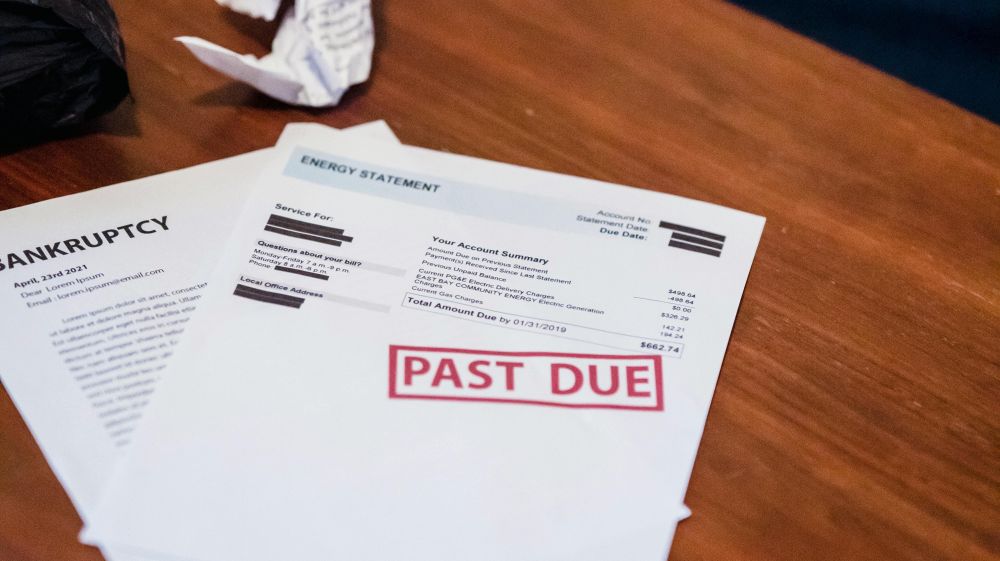
In recent times, South Africa has witnessed a concerning trend where a significant portion of household income is being directed towards debt repayment. With rising living costs and economic pressures, many South Africans are faced with a tough financial landscape that compels them to seek credit and debt counselling services more than ever before. This blog post delves deep into the current state of debt in South Africa, exploring its implications for households, businesses, and the economy as a whole.
As of April 2023, the National Debt Counselling Association (NDCA) reported a sharp increase in applications for debt counselling compared to the previous year. According to René Moonsamy, chairperson of the NDCA, this rise in demand is indicative of the financial pressures that many households are currently experiencing. The reality is stark: individuals are increasingly turning to borrowing as a coping mechanism in the face of mounting expenses and financial uncertainty.
At the heart of this trend is a staggering statistic: 62% of every rand earned by South Africans is allocated to servicing debt. This means that for every R1 earned, approximately 62 cents are spent on paying off existing loans. Such a high debt-to-income ratio raises significant concerns about the financial health of households. The rising costs of living—ranging from inflationary pressures on essential goods and services to unexpected emergencies—are forcing many to rely heavily on credit.
An alarming finding from Direct Axis reveals that 28% of South Africans are applying for personal loans to cover urgent expenses. In contrast, others are seeking funds for home renovations or educational purposes, with 20% and 11% respectively. Personal loans in South Africa typically range from R8,000 to R350,000, and the burden of repaying these loans—with interest—can exacerbate financial difficulties if not managed prudently.
Moonsamy emphasizes that while credit itself is not inherently detrimental, it becomes a problem when it is unaffordable or mismanaged. She states, “Credit is neutral. What matters is what it is used for, how much it costs, and whether the consumer can afford it.” This highlights the importance of distinguishing between productive and unproductive borrowing. Productive borrowing, such as taking out loans to finance education, transportation, or home improvements, can contribute positively to long-term financial stability. Conversely, borrowing to cover daily expenses or to repay existing debt can lead to a perpetual cycle of obligations, trapping individuals in a web of financial distress.
The ramifications of this financial strain extend beyond individual households; they also permeate workplace environments. Financial stress can severely impact employee productivity, attendance, and retention. A report from Wealthbit projected that financially strained employees are more likely to miss work, be less effective while present, or seek new job opportunities altogether. According to their findings, financially stressed employees take an average of four additional sick days per year compared to their peers, and presenteeism—where individuals are physically present but lack focus—can result in the loss of over 27 working days annually. The overall cost of financial stress to businesses could reach an eye-watering R250 billion annually.
For traders and investors, understanding the broader economic implications of high household debt is crucial. A population under financial stress may lead to decreased consumer spending, which can negatively impact businesses and, by extension, the stock market. Investors should pay close attention to economic indicators that reflect the financial health of consumers, as significant shifts in borrowing and spending habits can signal larger trends in the economy.
In conclusion, South Africa’s debt crisis is a multifaceted issue that requires attention from both individuals and policymakers. With a growing number of households facing financial difficulties, it is essential to foster financial literacy and promote responsible borrowing practices. Additionally, businesses should recognize financial stress as a significant risk factor that can affect their workforce and, ultimately, their bottom line. As the economy continues to evolve, a collective effort is needed to address these challenges and pave the way for a more financially stable future for South Africans.