
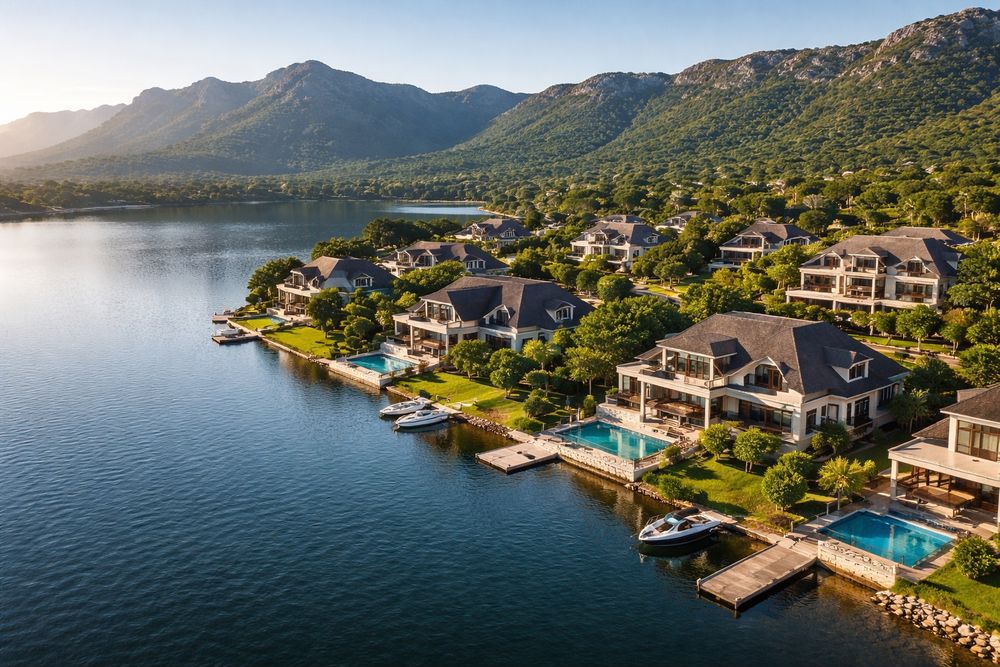
In recent weeks, property owners around South Africa’s scenic dams have been holding their breath as new draft regulations loom over their waterfront investments. With public commentary closing today, the proposed changes from the Department of Water and Sanitation could significantly alter access to these cherished recreational resources. For many, the value of their properties, whether a modest R2 million home or a luxurious R16 million estate on Hartbeespoort, stands to be affected by these emerging policies.
As the nation grapples with water management and environmental sustainability, the balance between public access and regulatory control becomes increasingly delicate. The draft regulations under the National Water Act aim to enhance the management and oversight of state-owned waterways and the land surrounding them, potentially transforming the way South Africans enjoy their dams from a largely unrestricted leisure activity to a regulated permission-based system.
The core of these proposed regulations revolves around tightening control over access to public dams, which have traditionally been enjoyed for recreational purposes such as boating, fishing, and other leisure activities. With the introduction of new approval processes and the possibility of lease agreements for using water surfaces and access points like jetties and slipways, the informal and open nature of enjoying these water bodies may soon become a thing of the past.
The implications of these regulatory changes could be widespread. Current activities that many property owners take for granted, such as launching boats or accessing the water from various points along the shore, may soon require formal permits or approvals from governmental authorities. This shift not only complicates the recreational use of these spaces but also raises concerns about the potential economic impact on properties that rely heavily on their proximity to these water bodies.
Industry experts, including Chas Everitt International CEO Berry Everitt, have voiced strong objections against these draft regulations. Everitt emphasizes the critical role that South Africa’s dams play not just as vital water resources but also as essential lifestyle and tourism hubs. The regulations could inadvertently harm local economies that thrive on water-based recreation, affecting everything from boating and fishing to accommodations and small businesses that cater to tourists and locals alike.
The economic ramifications could extend beyond immediate recreational access. With waterfront properties often commanding significant premiums—ranging from 20% to 50% higher than comparable inland homes—uncertainty regarding access could lead to a decline in property values. This situation may not only impact individual homeowners but could also reverberate through entire communities that have come to rely on their proximity to these valuable natural assets.
The potential fallout from these regulatory changes raises several key points for stakeholders to consider. Firstly, property owners should remain vigilant and engaged in the public comment process, ensuring their voices are heard and concerns are addressed. While the intention behind the regulations may stem from a desire to manage resources sustainably, it is crucial that the economic and social implications are thoroughly evaluated.
Moreover, potential investors and homeowners should closely monitor these developments, as the market dynamics for waterfront properties may shift dramatically depending on the final form of the regulations. Properties that once seemed like sound investments could face devaluation if access becomes restricted or regulated in a manner that deters recreational use.
As we conclude, it’s clear that the proposed draft regulations present a complex challenge for South Africa. While the need for sustainable management of water resources is paramount, striking a balance that preserves public access, safeguards property values, and supports local economies is equally important. Stakeholders must advocate for regulations that facilitate responsible use without undermining the very essence of what makes these reservoirs beloved destinations for recreation and relaxation. The coming weeks will be pivotal in determining how these regulations unfold and how they will shape the future of waterfront property in South Africa.