
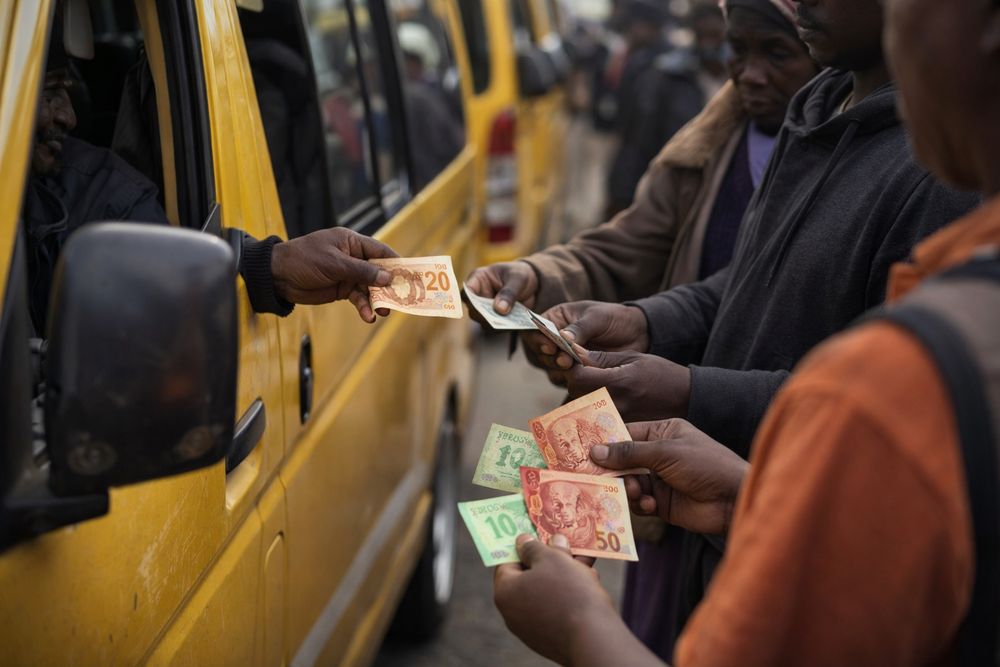
As fuel prices soar, the burden of rising transportation costs disproportionately affects South Africa’s low-income earners. The recent hikes in petrol and diesel prices have sparked concern among economists and everyday citizens alike, as many households struggle to manage their budgets in the face of escalating costs. Understanding the implications of these fuel increases is crucial, not only for consumers but also for policymakers and investors looking to navigate a rapidly changing economic landscape.
In April, South Africa witnessed a significant surge in fuel prices, with petrol soaring by approximately R3 per litre and diesel witnessing an even steeper increase of around R7 per litre. This surge, which represents nearly a 40% hike in diesel prices, has sent shockwaves through the economy, particularly affecting millions who rely on public transport. For the average citizen, the direct impact of rising fuel prices can be measured in terms of increased transportation costs, but for low-income households, the ramifications are far more severe.
Transport is a major expense for many South Africans. According to Statistics South Africa, about 26% of the workforce depends on taxis as their primary mode of transportation to work. This statistic highlights the critical role that affordable public transport plays in enabling economic participation. However, as the cost of diesel rises, taxi operators face increased operational expenses, which inevitably leads to fare hikes. The National Taxi Alliance has indicated that fare increases could range from R3 to R6 for shorter trips, and between R10 and R30 for longer distances.
For low-income households, the financial strain is palpable. Consider a worker earning R5,000 a month who relies on taxis for commuting. Their transportation costs typically hover around R1,200 monthly, which already constitutes a staggering 24% of their income. A further R300 increase in fares pushes that figure to approximately 30%. This situation is compounded for minimum wage earners, who may see their transportation expenses rise to 37% of their earnings. Such significant proportions of income spent on transport leave little room for other essential expenses, such as food, housing, and healthcare.
Economists have weighed in on the broader inflationary impact of these fuel price hikes. Johann Els has pointed out that without government intervention, inflation could have escalated to 4.2% in April. However, thanks to a reduction in the fuel levy, expectations are that inflation will stabilize at around 3.6%. Notably, the fuel price increase is anticipated to contribute an additional 0.6 percentage points to inflation, instead of the previously estimated 1 percentage point. While this may offer some relief to consumers, it does not mitigate the reality that many low-income households are feeling the pinch more acutely.
It is also essential to recognize that the repercussions of rising fuel prices are not uniform across income levels. For a worker earning R12,000 a month, an increase in taxi costs from R1,200 to R1,500 represents a mere 2.5% rise in their overall expenses. This is a noticeable squeeze but is significantly less burdensome than for lower-income workers, highlighting the stark disparities that exist within the economy.
For the average household, the financial outlook is equally concerning. The Pietermaritzburg Economic Justice and Dignity group estimates that the average food basket costs about R5,328.53, which only exacerbates the challenges faced by families who are already grappling with rising transportation costs.
For investors and traders, the implications of these changes are multifaceted. An economy where a significant portion of the population is struggling with essential costs could lead to decreased consumer spending, which in turn can affect business profitability and stock market performance. Additionally, sectors tied closely to transport and logistics may experience a downturn as rising costs could lead to a decrease in demand for goods and services.
In conclusion, the recent fuel price increases in South Africa serve as a stark reminder of the interconnectedness of economic factors and their real-world implications for households. While government interventions may provide some relief from inflation, the burden remains heavy for those at the bottom of the income spectrum. As both investors and consumers navigate this challenging economic terrain, understanding the nuances of these developments will be crucial for making informed decisions in the future. The resilience of low-income households in the face of such adversity will ultimately shape the economic landscape in the months to come.