
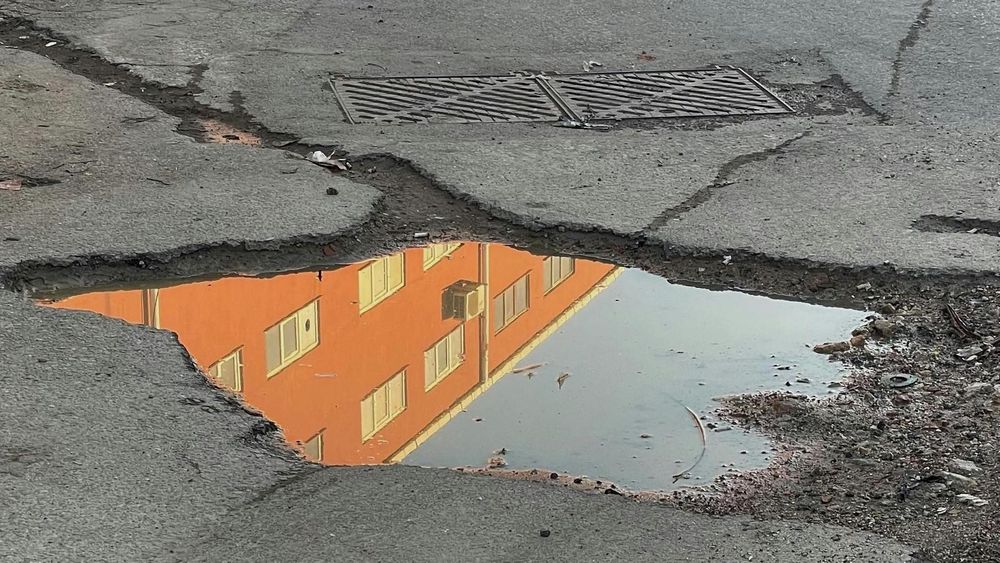
The roads we travel on are often taken for granted, yet they can become perilous traps that lead to expensive repairs and legal battles when neglected. In South Africa, potholes have become a notorious issue, causing not only damage to vehicles but also raising questions of liability and negligence. This blog post delves into the complexities of claiming for pothole damage to your car, highlighting key legal precedents, the claims process, and essential insights for drivers impacted by this pressing issue.
Understanding the Legal Landscape
Pothole-related accidents are not merely unfortunate events; they can escalate into significant legal disputes. A recent case highlighted the liability of municipalities when a motorcyclist suffered severe injuries after hitting a pothole. The court ruled in favor of the victim’s estate, affirming that the municipality had a legal obligation to maintain public roads and was negligent in failing to repair the hazardous condition. Even though the victim passed away a year later, the court determined that the claim could persist for the benefit of the deceased’s estate, emphasizing the legal system’s recognition of ongoing accountability.
However, the legal landscape is not entirely straightforward. Another case revealed that a motorist, despite suffering damage due to a pothole, was found partially liable due to speeding. This indicates that courts may assign a degree of contributory negligence to drivers, particularly if they were aware of the road’s poor conditions. Therefore, the context surrounding each incident plays a crucial role in determining liability.
Key Points to Consider
1. **Municipal Responsibility**: Municipalities have a duty to ensure the maintenance of public roads. When they fail in this responsibility, they can be held liable for accidents resulting from poor road conditions.
2. **Contributory Negligence**: Drivers can be held partly responsible if they were speeding or ignoring road conditions. This complicates claims, as the degree of fault can affect the compensation awarded.
3. **Evidence of Negligence**: To successfully claim damages, it is essential to provide evidence that the municipality was aware of the pothole and failed to act on complaints made by residents. Documentation of previous complaints can strengthen a case.
4. **Claims Process**: Navigating the claims process can be daunting. It’s advisable to gather detailed evidence, including photographs of the pothole, estimates for repairs, and any medical documentation if injuries occurred. Each municipality may have different procedures, so it’s crucial to consult the relevant authority’s guidelines.
5. **Insurance Considerations**: Some insurance policies may cover damages from potholes, but coverage can vary significantly. Companies like Nedbank offer specific insurance for tyre and rim damage, but it’s important to verify the conditions under which these claims are honored.
Insights for Drivers and Investors
For everyday drivers and potential investors in the insurance sector, understanding the implications of pothole damage is essential. For drivers, being proactive about road conditions and having comprehensive insurance coverage can mitigate the financial impact of unforeseen damages. Investing in insurance products that offer coverage for pothole damage could be a wise move, especially in regions where road maintenance is lacking.
Furthermore, the rising trend of municipalities being held accountable for road maintenance could lead to increased demand for services that monitor road conditions. Investors might find opportunities in technology solutions that facilitate better reporting of road hazards and enhance municipal responsiveness.
Conclusion
The issue of potholes is more than just an inconvenience; it reflects broader concerns about public infrastructure and accountability. As South African drivers navigate the complexities of claiming damages from pothole-related incidents, understanding the legal precedents and the claims process is crucial. While municipalities have a duty to maintain safe roads, drivers must also be aware of their responsibilities and the potential for shared liability.
In an era where road safety and vehicle upkeep are paramount, both drivers and investors must remain vigilant. By staying informed and prepared, they can better navigate the challenging terrain of pothole damage claims and advocate for the necessary improvements in public infrastructure. Ultimately, a proactive and informed approach can lead to safer roads and more responsible governance, benefiting all road users in the long run.