
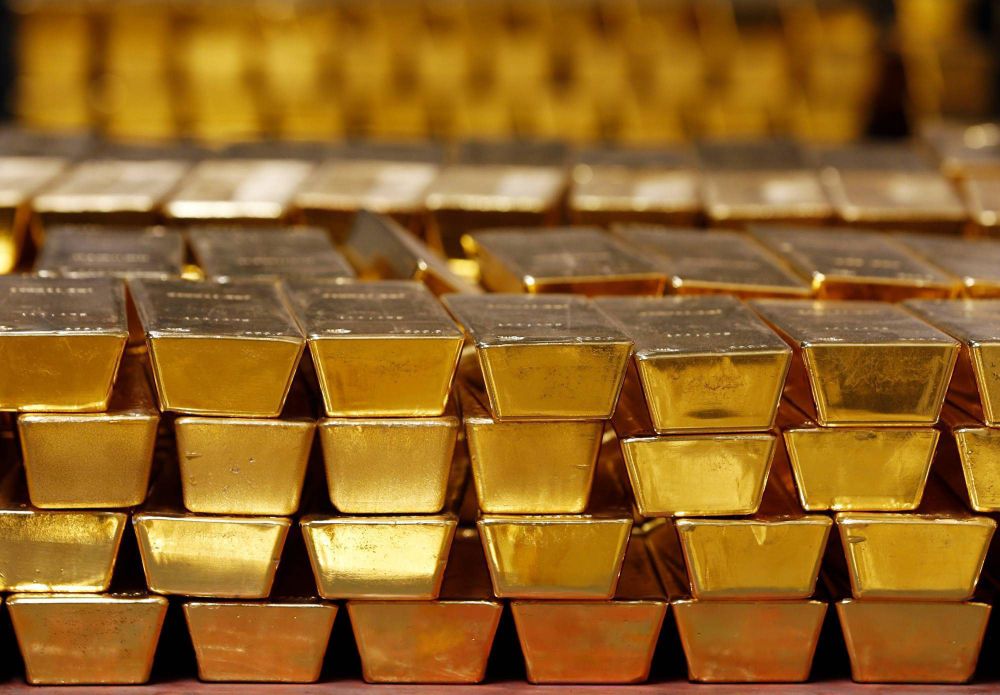
In recent times, gold and silver have taken center stage in discussions about financial security, signaling more than just a refuge during turbulent times. They are becoming barometers of broader concerns surrounding the stability and reliability of the global financial system. As we delve into the complex relationship between these precious metals and the underlying economic anxieties, we uncover insights that extend beyond mere investment strategies.
Gold and silver have long been viewed as safe havens, often reacting to fear-driven events such as geopolitical tensions, inflation, and fluctuating interest rates. However, a closer examination reveals that these metals are responding to deeper sentiments of doubt—doubt about the durability of financial institutions and the credibility of the monetary systems that have governed international commerce for decades. This shift in perception indicates that the ongoing rally in precious metals carries significance that transcends conventional safe-haven narratives.
The dynamics of the current precious metals market are noteworthy. When gold prices rise, the typical explanations often revolve around immediate concerns like geopolitical strife or economic slowdowns. While these factors play a role, they no longer encapsulate the full picture. Markets are increasingly signaling a more profound reassessment of the value of gold and silver as forms of insurance against a world where trust in traditional paper currencies is wavering. Recent demand trends illustrate this point clearly, with the World Gold Council reporting that total gold demand exceeded 5,000 tonnes in 2025 for the first time, marking a significant milestone in the history of gold consumption.
Furthermore, the market recorded an impressive number of all-time highs in gold prices, while global gold exchange-traded fund (ETF) holdings surged by 801 tonnes. Notably, demand for physical gold in the form of bars and coins reached a staggering 12-year peak. This is not merely a momentary spike; it represents a widespread and strategic reallocation of assets toward these metals, emphasizing a collective shift in investor sentiment.
Silver, while often regarded as a companion to gold, provides a distinct narrative. As a metal that straddles the line between a monetary asset and an industrial commodity, silver embodies both financial uncertainty and the rising demand for technological applications. The Silver Institute predicts a sixth consecutive structural deficit in the silver market by 2026, with physical investment expected to increase by 20%, reaching a three-year high. This growing demand is not only driven by monetary anxieties but also by the escalating needs of industries such as electronics, renewable energy, and solar manufacturing, further complicating the landscape.
The interplay between gold and silver underscores a more significant trend—the repricing of trust. Trust in a monetary system relies on several key pillars: the stability of the currency, the integrity of the institutions that manage it, and the geopolitical neutrality of the channels through which value is exchanged. When these foundations experience cracks, precious metals become increasingly appealing. This phenomenon explains why the current trend cannot be solely attributed to inflationary pressures.
Research from the Bank for International Settlements highlights that trust is fundamental to both money and financial stability. The European Central Bank has echoed this sentiment, noting that rising geopolitical risks and financial sanctions elevate the appeal of gold reserves. In a world marked by uncertainty, investors are reassessing their exposure to traditional financial instruments and reallocating their resources toward tangible assets like gold and silver.
Key takeaways from this evolving landscape include the recognition of precious metals as vital indicators of broader economic trends. Investors should be aware that these metals are not just commodities but reflections of a collective sentiment regarding trust in the financial system. The rise in demand for gold and silver suggests a growing awareness of the risks associated with paper assets, prompting a shift in investment strategies.
For traders and investors, understanding the nuances of precious metals is crucial. It is essential to remain vigilant about the geopolitical landscape, inflationary pressures, and institutional credibility as these factors can significantly influence the demand for gold and silver. Diversifying portfolios with precious metals may offer a hedge against economic volatility and serve as insurance against systemic risks.
In conclusion, the current interest in gold and silver extends beyond mere safe-haven investment; it represents a broader reassessment of trust within the global financial system. As investors navigate an increasingly complex economic environment, the appeal of precious metals is likely to grow as a safeguard against uncertainties. Understanding this relationship can provide valuable insights into future investment strategies and help investors make informed decisions that align with the evolving dynamics of the market.