
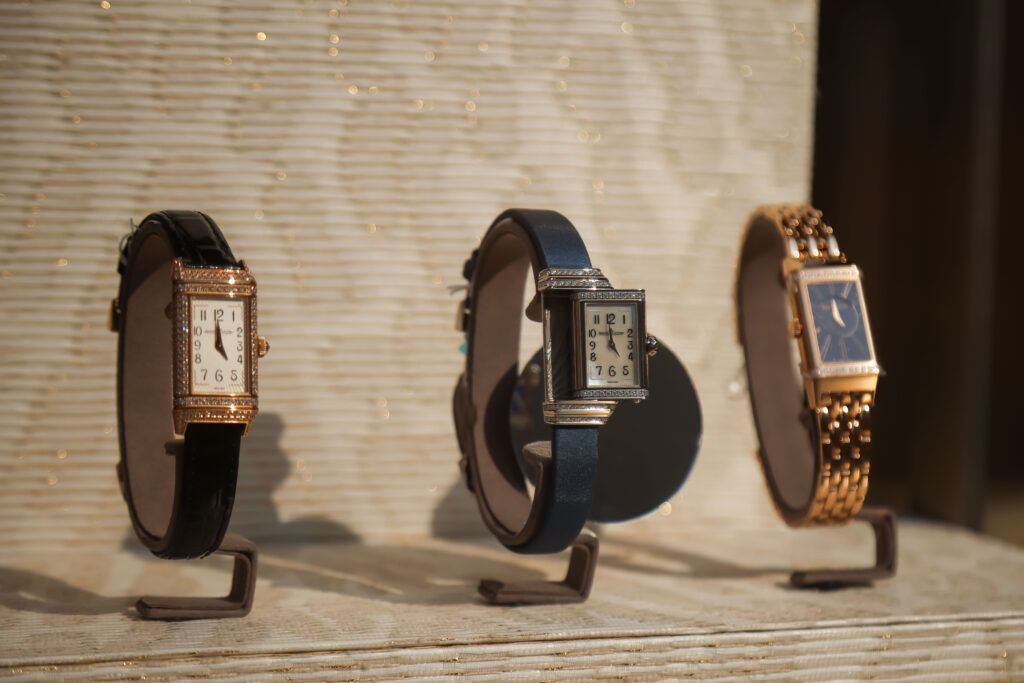
In the world of horology, trends ebb and flow, influenced by cultural shifts, technological advancements, and evolving consumer preferences. One of the most notable recent trends is a return to smaller watch sizes, a movement that seems to defy the oversized timepieces that dominated the market for over two decades. This shift is particularly evident among younger consumers, especially women in their 20s and 30s, who are gravitating toward what some affectionately call “grandma watches.” These compact timepieces are not merely nostalgic; they represent versatility, elegance, and a contemporary twist on classic styles.
As the luxury watch market experiences a renaissance of smaller designs, it is crucial to explore the factors driving this trend and its implications for both consumers and manufacturers. The resurgence of smaller watches is not simply a matter of aesthetics; it is deeply intertwined with the values and lifestyle preferences of a new generation of watch enthusiasts.
The trend towards smaller watch cases can be attributed to a variety of factors. Firstly, there is a growing appreciation for vintage aesthetics, where classic designs are celebrated for their craftsmanship and character. Many younger buyers are seeking timepieces that can seamlessly blend with their existing jewelry and personal style, allowing for a more cohesive look. This desire for versatility is leading consumers to prefer watches that are not overly ostentatious but rather understated and elegant.
Pop culture and social media play a significant role in shaping these preferences. Influential celebrities such as Timothée Chalamet, Bad Bunny, and Serena Williams have been spotted sporting smaller watches, showcasing how these styles can be fashionable and chic. Social media platforms have amplified the visibility of these trends, with images of petite watches gaining traction as influencers and style icons showcase their personal collections. This exposure is helping to normalize smaller sizes, making them more desirable for a broader audience.
A notable aspect of this trend is the evolving perception of gender in the watch industry. Traditionally, watch sizes were often categorized by gender, with larger, bolder pieces marketed toward men and smaller, delicate designs pitched to women. However, as boundaries blur, many consumers are rejecting these labels in favor of personal expression. Brynn Wallner, founder of Dimepiece, a platform focused on women and watches, notes that nontraditional watch collectors are gravitating toward styles that were once considered feminine, signaling a shift towards more inclusive design.
One of the driving forces behind the popularity of smaller watches is their stackability. Many consumers, particularly women, enjoy layering their watches with bracelets and other accessories. Retail expert Melanie Chud highlights this phenomenon, stating that when customers see how well a small watch can complement their existing jewelry, it creates a sense of excitement and satisfaction. This ability to mix and match enhances the overall appeal of compact timepieces, making them a practical choice for daily wear.
The implications of this trend extend to luxury watch brands, many of which are adapting to meet the growing demand for smaller sizes. Renowned manufacturers like Rolex and Cartier have recently introduced new models with smaller case dimensions, effectively acknowledging the shift in consumer preferences. At the Watches and Wonders show in Geneva, Rolex unveiled two new Oyster Perpetual watches sized at 28mm and 34mm, garnering significant attention from enthusiasts. Similarly, Cartier has launched various small watches, including artistic designs that embody their legacy of innovation.
For traders and investors in the luxury watch market, this shift towards smaller timepieces presents both challenges and opportunities. Brands that successfully adapt to these changing preferences are likely to see increased demand and sustained interest from a new generation of collectors. Conversely, those that cling to outdated notions of size and gender may find themselves struggling to capture market share in an evolving landscape.
In conclusion, the resurgence of smaller watches marks a significant evolution in the luxury watch market, driven by cultural influences, changing consumer preferences, and a desire for versatility. As more people embrace these compact timepieces, the industry is witnessing a fascinating transformation that values understated elegance over ostentation. For both consumers and watchmakers, this trend signifies a return to timeless design, where the beauty of a watch lies not in its size but in its ability to complement the wearer’s personal style. As we move forward, it will be intriguing to see how this shift continues to shape the future of horology, offering new opportunities for both collectors and brands alike.