
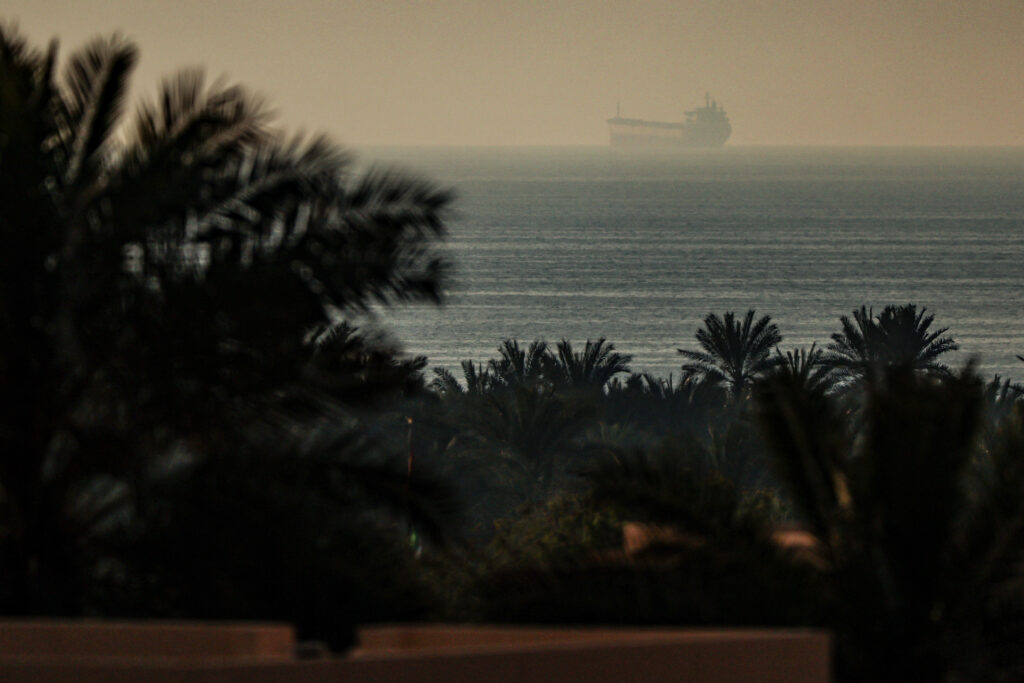
In the tumultuous world of oil trading, the re-emergence of a 29-year-old supertanker, the Nasha, at Iran’s Kharg Island has raised eyebrows and sparked speculation about Tehran’s strategies amid tightening sanctions and dwindling storage capacity. As one of the largest oil-exporting terminals in Iran, Kharg Island is pivotal for the nation’s crude oil exports. The unexpected arrival of the Nasha, a vessel that had seemingly vanished from tracking radars for years, highlights Iran’s resourcefulness in the face of mounting pressure from international sanctions and a complex geopolitical landscape.
The Nasha, a very large crude carrier (VLCC) that has been flagged by Iran since its construction in 1997, was last documented delivering oil cargo two to three years ago. Its sudden reappearance at Kharg Island, as confirmed by satellite images from the advocacy group United Against Nuclear Iran and Bloomberg News, suggests that Iran might be repurposing retired ships in a bid to maintain its oil exports as storage facilities near their limits. This situation is further complicated by the United States’ stringent blockade on Iranian oil, which has left numerous tankers stranded in the Persian Gulf and the Gulf of Oman, unable to navigate the vital Strait of Hormuz.
Analysts from Vortexa and UANI have indicated that the Nasha’s revival is a strategic move by Iran to extend its oil export capabilities. The nation is reportedly running out of viable storage options, with research firm Kpler estimating that Iran’s oil storage capacity could be depleted within three weeks if the current export rates continue. This scenario underscores the urgency for Iran to find innovative solutions to sustain its production and export levels.
Key Takeaways
1. The return of the Nasha reflects Iran’s ongoing struggle to navigate the challenges posed by U.S. sanctions and its diminishing oil storage capacity.
2. Satellite tracking indicates the vessel had stopped communicating its location, making its activities over the past years a mystery.
3. Iran’s capacity to utilize both onshore and offshore storage methods efficiently may provide temporary relief, but long-term challenges remain.
4. The U.S. has intensified its enforcement of oil sanctions, leading to a precarious situation for Iranian oil exports.
The situation is particularly precarious for Iran as it grapples with the implications of U.S. naval presence in the Gulf of Oman and the broader geopolitical dynamics at play. The reactivation of the Nasha, along with potentially other dormant tankers, could serve as a stopgap measure, buying Iran some time to continue oil production and manage its storage crisis. Nevertheless, this tactic is unlikely to resolve the underlying issues that have led to the current state of affairs.
Xavier Tang, a senior market analyst at Vortexa, emphasizes that while reactivating vessels like the Nasha may provide short-term relief, the enduring problem of the U.S. blockade remains. The blockade has not only restricted Iran’s ability to export oil but has also hindered its capacity to import necessary equipment and supplies, including ballast ships that facilitate oil transport. The looming question is how long Iran can sustain its production levels before being forced to curtail output due to these logistical constraints.
For traders and investors, the ongoing developments in Iran’s oil market present both risks and opportunities. As Iran continues to explore alternative methods to circumvent sanctions, the potential for increased volatility in oil prices remains high. Investors should monitor the situation closely, as any shift in Iran’s production capabilities could have significant implications for global oil supply dynamics.
In conclusion, the unexpected return of the Nasha to Kharg Island serves as a stark reminder of Iran’s resilience and adaptability in the face of adversity. While the reactivation of older vessels may provide temporary relief, it highlights the broader challenges that the Iranian oil sector faces under continued U.S. sanctions. As the situation evolves, traders and investors must stay vigilant, as any changes in Iran’s export capabilities could reverberate across the global oil market, influencing prices and supply chains for the foreseeable future.