
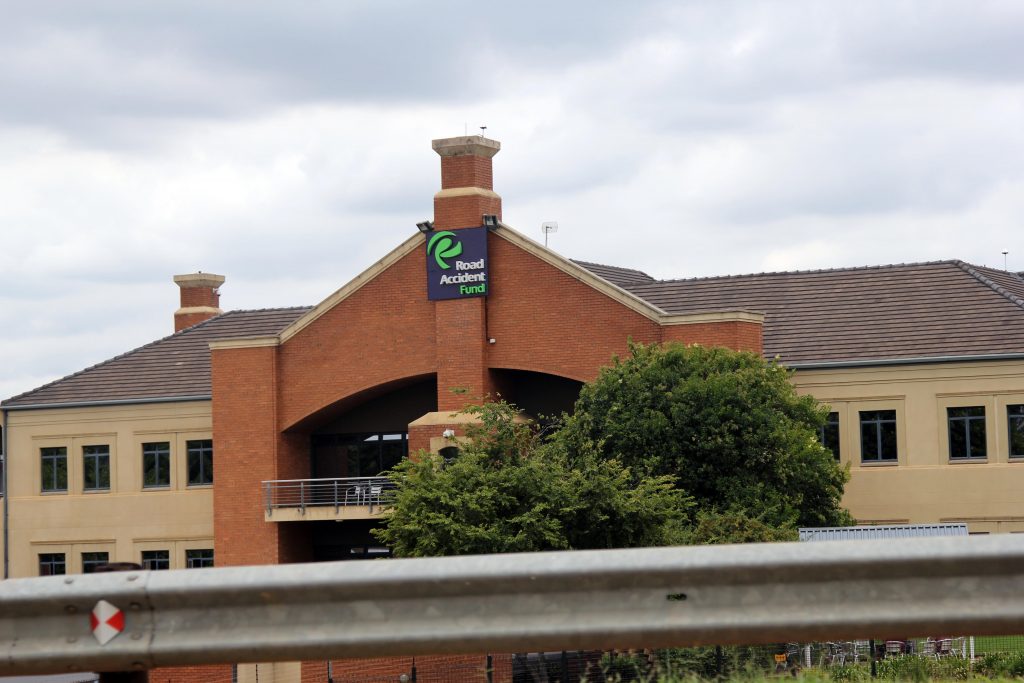
As South Africa grapples with economic recovery post-pandemic, a shadow looms over the Road Accident Fund (RAF), raising alarms about its sustainability and the potential need for a government bailout. Recent rulings from the Supreme Court of Appeal have not only challenged the RAF’s operational framework but have also intensified discussions regarding its future viability. With an estimated R500 billion in unqualified liabilities, the situation is dire, and the implications stretch far beyond the fund itself.
The Road Accident Fund, established to compensate victims of road accidents, is facing unprecedented challenges that have left financial experts and policymakers concerned. The Supreme Court of Appeal recently dismissed the RAF’s appeal against a high court ruling that deemed a critical Board Notice and its associated RAF1 Form unconstitutional and invalid. This judicial setback has illuminated the fund’s operational flaws and the substantial liabilities it now carries.
To understand the gravity of the RAF’s situation, it is essential to dissect the core issues at play. The fund’s financial structure is marred by approximately R500 billion in unqualified contingencies, a significant portion of which stems from the rejection of claims that, while compliant with the RAF Act, failed to meet the stipulations set forth by the problematic Board Notice and RAF1 Form. This has led to a backlog of claims and an alarming increase in default judgments against the fund, further exacerbating its financial strain.
Gert Nel, a prominent attorney specializing in road accident claims, has been vocal about the detrimental effects of the RAF’s approach. He argues that the fund has effectively created a “parallel claims system” by refusing to register claims that do not adhere to the Board Notice. This has not deterred legal practitioners from filing claims, but rather encouraged them to pursue default judgments, which the RAF has often ignored. Nel explains that the fund has been returning claims to plaintiffs without acknowledgment, but the law allows for claims to be lodged via registered post, providing a paper trail that the RAF cannot dismiss.
The implications of this strategy are staggering. Nel’s firm alone is managing claims that exceed R100 million, all backed by default court orders. This backlog is not isolated; countless other legal firms in South Africa are navigating similar circumstances. As these claims become due, the financial burden on the RAF grows heavier, prompting speculation about the necessity for Treasury intervention.
The latest Budget Review from 2026 underscores the gravity of the RAF’s situation, reporting total liabilities of social security funds at R433.1 billion by the end of 2024/25, with the RAF accounting for a staggering 85.5% of this figure—approximately R370.3 billion. The Medium-Term Budget Policy Statement released in November 2025 further warns that the RAF continues to pose a significant fiscal risk, with its financial outlook expected to deteriorate.
For traders and investors, this unfolding scenario presents a complex picture. On one hand, the potential for a government bailout indicates a reliance on public funds to address the inefficiencies within the RAF. Such measures could provide temporary relief but may also signal deeper systemic issues within South Africa’s social security framework. Investors should keep a close eye on government fiscal policies, as any bailout could potentially lead to increased public spending or tax adjustments in the future.
Furthermore, the situation raises questions about the long-term viability of the RAF and similar funds. Stakeholders should consider the implications of continued operational inefficiencies and the likelihood of future judicial interventions. This could lead to increased volatility in sectors reliant on state compensation, affecting everything from insurance markets to public infrastructure.
In conclusion, the Road Accident Fund’s current predicament is a wake-up call for policymakers, investors, and the public alike. As the fund faces mounting liabilities and scrutiny from the judicial system, the prospect of a government bailout looms large. Stakeholders must remain vigilant, as the outcomes of these developments will undoubtedly shape South Africa’s fiscal landscape for years to come. The need for reform within the RAF is urgent, and without significant changes, the fund’s future—and the financial stability of those it serves—remains uncertain.