
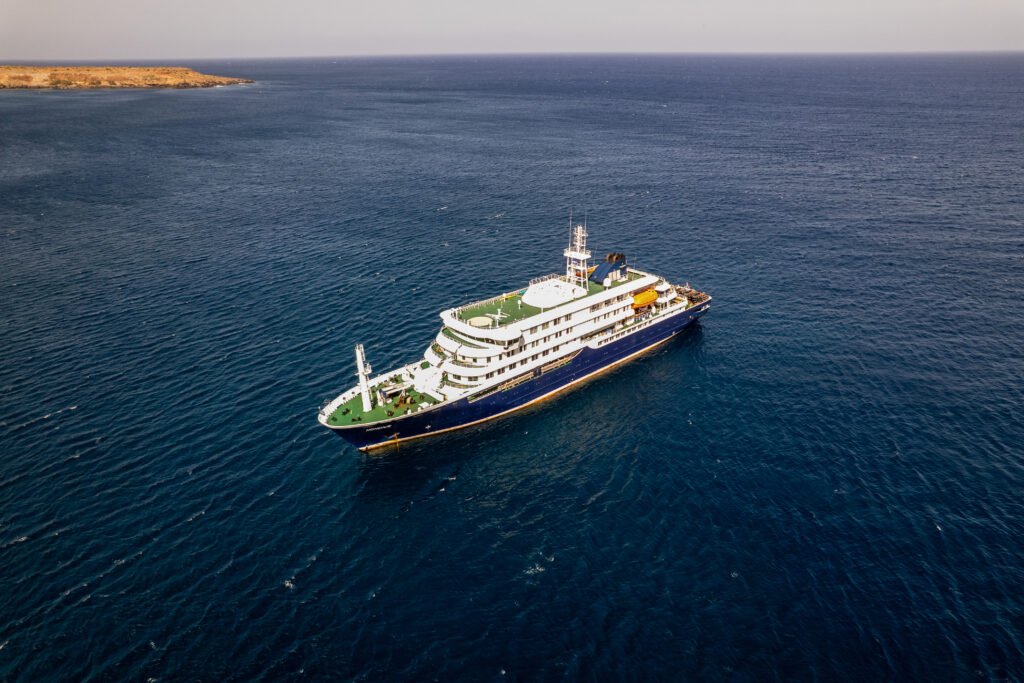
Recent events have cast a somber shadow over the cruise industry, as a hantavirus outbreak linked to the MV Hondius has resulted in three fatalities and serious health concerns for several others. With the World Health Organization (WHO) confirming cases and ongoing investigations into the transmission of the virus, travelers and investors alike are faced with questions about the implications of such health crises on the tourism sector. This blog post will delve into the details surrounding this outbreak, explain what hantavirus is, discuss its potential impact on the cruise industry, and offer insights for traders and investors.
The outbreak, which has left one individual in intensive care, highlights the risks that can accompany travel, especially in enclosed environments like cruise ships. The WHO reported that one case has been confirmed through laboratory testing, with five additional cases suspected. The MV Hondius, operated by Oceanwide Expeditions BV, is currently anchored off the coast of Cape Verde, where local authorities have yet to grant permission for sick passengers to disembark or undergo medical examinations.
Hantavirus is a rare yet serious infection primarily transmitted to humans through contact with infected rodents or their excretions. The virus can spread when individuals inhale particles contaminated with hantavirus, particularly in poorly ventilated spaces. Symptoms typically begin with flu-like signs such as fever, body aches, and fatigue but can progress rapidly to more severe conditions, including hantavirus pulmonary syndrome, which leads to respiratory distress.
The cruise sector has been particularly vulnerable to health outbreaks, as seen during the COVID-19 pandemic. The MV Hondius, notable for being the world’s first registered Polar Class 6 vessel, has a capacity of 170 passengers and 57 crew members, making it a microcosm of the broader cruise experience. Given the close quarters and shared amenities on cruise ships, outbreaks can escalate quickly, leading to significant public health concerns.
Key Points to Consider
1. **Health Risks and Precautions**: The hantavirus outbreak underscores the importance of health precautions in travel. It serves as a reminder for travelers to stay informed about health advisories and potential risks associated with their destinations, particularly when traveling in confined spaces.
2. **Impact on the Cruise Industry**: The cruise sector has been recovering from the significant downturn caused by the pandemic, but incidents like this pose new challenges. Negative media coverage can deter potential travelers, impacting bookings and revenues for cruise operators.
3. **Repatriation and Response**: Dutch authorities have stepped in to coordinate the repatriation of affected individuals, emphasizing the need for an organized response to health crises. This situation also highlights the importance of robust health protocols and crisis management strategies in the travel industry.
4. **Ongoing Investigations**: The WHO’s involvement indicates the seriousness of the outbreak, with investigations underway to trace how the virus spread. This could lead to further insights about hantavirus transmission and control measures.
Investor Insights
For investors in the tourism and cruise sectors, the outbreak presents both risks and opportunities. Companies with strong health protocols and crisis management plans may emerge from such incidents with enhanced reputations, as travelers increasingly prioritize safety. Conversely, companies that struggle with health crises may face reputational damage and financial loss.
Investors should also monitor the regulatory responses to the outbreak. Increased scrutiny and regulations regarding health and safety protocols could reshape operational standards in the cruise industry, impacting costs and profitability. Furthermore, the market reaction to news of outbreaks can lead to short-term volatility in stock prices, presenting potential trading opportunities for savvy investors.
Conclusion
The hantavirus outbreak aboard the MV Hondius serves as a stark reminder of the vulnerabilities present in the travel and cruise industries. As health concerns can significantly influence consumer behavior, both travelers and investors must remain vigilant and informed. It is crucial to keep an eye on health advisories and the emerging response to this outbreak, as the long-term implications could shape the future of travel and tourism in unforeseen ways. In an industry that thrives on shared experiences, ensuring the health and safety of passengers is paramount to sustaining public confidence and economic viability.