
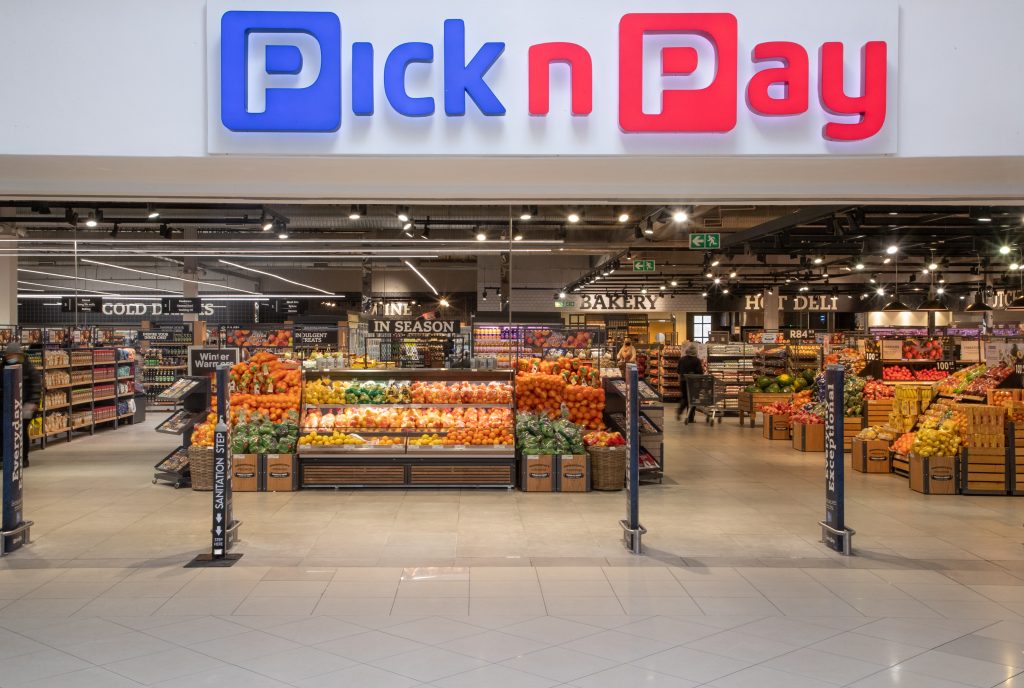
In the competitive landscape of retail, companies must continually adapt to changing market conditions and consumer behaviors. Pick n Pay, one of South Africa’s leading supermarket chains, is currently grappling with the dual challenges of high labor costs and inflexible staffing structures. Under the leadership of CEO Sean Summers, the retailer has embarked on a strategic initiative aimed at realigning its labor practices to enhance competitiveness and ensure long-term viability. This blog post delves into the intricacies of Pick n Pay’s approach, the rationale behind its decisions, and the broader implications for the retail sector.
The impetus for Pick n Pay’s recent actions stems from the need to address an outdated labor model that no longer aligns with current market dynamics. On May 3rd, the company initiated a formal Section 189 process in collaboration with the South African Commercial Catering and Allied Workers Union (Saccawu) and other store employees. Importantly, this move is not about reducing the workforce but rather about restructuring labor practices to foster greater flexibility and efficiency.
Historically, Pick n Pay has developed a complex system of agreements with staff and unions, resulting in a rigid work schedule that fails to respond to the evolving shopping habits of consumers. As shopping behaviors have shifted over the past decade—particularly with increased demand for evening and weekend shopping—Pick n Pay finds itself in a situation akin to having an overstaffed restaurant during quiet hours. The current staffing model leads to an inefficient allocation of resources, with full-time employees scheduled during low-traffic periods and temporary workers filling gaps during peak times. This inefficiency not only inflates labor costs but also diminishes the overall agility of the business to adapt to consumer demand.
One of the primary challenges facing Pick n Pay is the disparity between its labor costs and those of its competitors. The retailer’s staff, known for their loyalty and longevity, are compensated at levels that exceed market norms. While this model has fostered a dedicated workforce, it has also introduced complexities that hinder the company’s ability to respond swiftly to retail trends. Summers emphasizes the need for a balanced labor model that aligns with the competitive landscape, stating, “We must now address a critical reality that our current store labor model has been out of balance in the marketplace for some time.”
The key takeaway from Pick n Pay’s situation is the recognition that labor practices must evolve in tandem with market demands. As the retailer seeks to optimize its operations, it will require a shift in how it schedules employees and manages compensation structures. This presents an opportunity for the company to streamline its workforce while still maintaining a high level of service. By addressing these inefficiencies, Pick n Pay aims to not only enhance its competitiveness but also protect its future in an increasingly constrained marketplace.
For traders and investors, the implications of Pick n Pay’s labor strategy are significant. The retailer’s commitment to restructuring its labor model signals a proactive approach to ensuring profitability and sustainability. Investors should closely monitor the outcomes of these changes, as they could lead to improved operational efficiency and cost savings in the long run. Furthermore, a successful turnaround could restore investor confidence and positively impact stock performance.
In conclusion, Pick n Pay’s current endeavor to navigate labor challenges reflects the broader dynamics of the retail industry. As consumer preferences continue to evolve, it is crucial for retailers to adapt their labor practices accordingly. The steps taken by Pick n Pay under Sean Summers’ leadership highlight the importance of flexibility in staffing and the need to align compensation structures with market standards. As the company works through this complex transition, it will undoubtedly serve as a case study for others in the retail sector facing similar challenges. By prioritizing adaptability and efficiency, Pick n Pay aims to secure its position in the market and ensure a brighter future for both the business and its employees.