
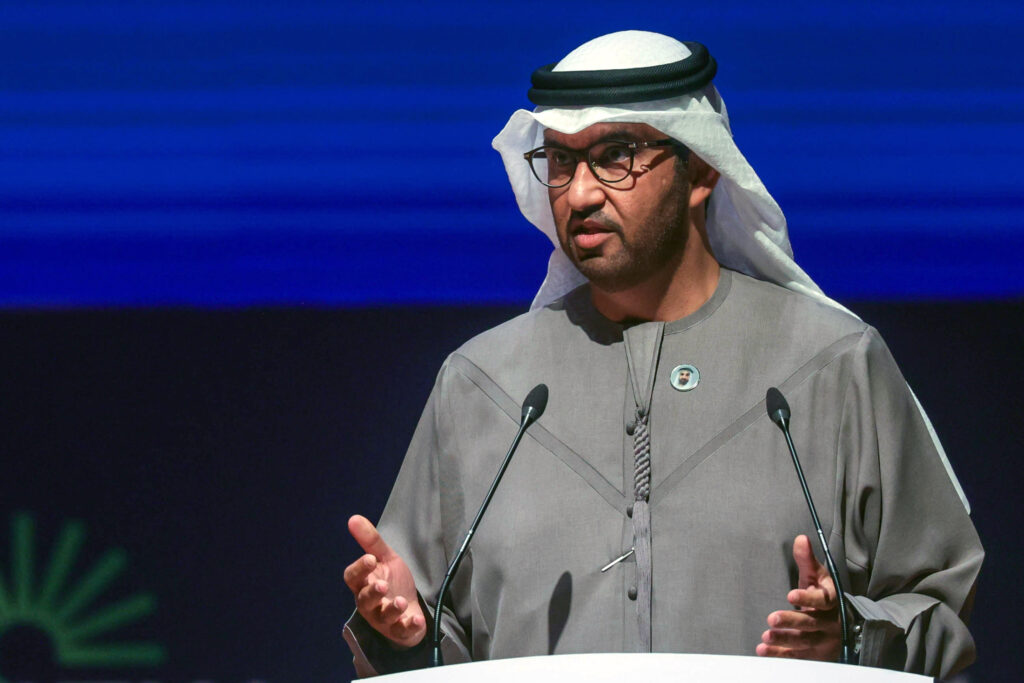
In a significant move that has sent ripples through the global oil market, the United Arab Emirates (UAE) announced its decision to exit the Organization of the Petroleum Exporting Countries (OPEC). This unexpected departure marks a pivotal moment in the UAE’s energy strategy, with far-reaching implications for its economic growth and investment landscape. Sultan Al Jaber, the CEO of Abu Dhabi National Oil Company (ADNOC), articulated this shift, emphasizing the alignment with the nation’s long-term strategic goals and its ambition to become an energy powerhouse.
The implications of the UAE’s exit from OPEC are multifaceted, touching on economic growth, investment opportunities, and the broader energy landscape. This bold decision comes at a time when the UAE is looking to enhance its oil production capabilities and solidify its position in the global market.
The core of the UAE’s strategy revolves around its desire for greater autonomy in managing its oil production. For years, OPEC’s production quotas have limited the UAE’s ability to expand its output according to its national interests. The decision to leave the cartel is seen as a means to reclaim control over its oil resources and align them with the country’s developmental ambitions. Al Jaber highlighted that this move serves the UAE’s national interests, allowing for accelerated investments and the creation of value within its economy.
As part of its ambitious plan, ADNOC unveiled a substantial investment agenda, earmarking 200 billion dirhams (approximately 55 billion dollars) for oil project awards. This initiative is part of a broader 150 billion dollar program previously announced, aimed at bolstering the UAE’s oil sector and enhancing its production capacity. Currently, the UAE’s oil production capabilities stand at around 4.85 million barrels per day, with plans to increase this figure to 5 million barrels per day by 2027.
The decision to exit OPEC coincides with shifting dynamics in the global oil market, particularly in light of geopolitical tensions in the Middle East. UAE’s Energy Minister Suhail Al Mazrouei noted that the disruptions caused by the ongoing conflicts in the region offered a timely opportunity for the UAE to reassess its position within OPEC. This geopolitical backdrop underscores the importance of energy independence for the UAE, allowing it to navigate external pressures while pursuing its growth objectives.
Several key takeaways emerge from this strategic pivot. Firstly, the UAE’s departure from OPEC signals a clear intent to prioritize national economic interests over collective production agreements. By gaining independence from OPEC’s constraints, the UAE aims to position itself as a resilient player in the energy sector, capable of responding swiftly to market demands and opportunities. Secondly, the commitment to substantial investment in oil projects reflects a long-term vision for economic diversification and sustainability. The UAE is not only focused on oil production but is also looking to integrate energy with technology and industry, thereby fostering a more robust economic framework.
For investors and traders, the UAE’s exit from OPEC presents a unique landscape of opportunities and risks. On one hand, the potential for increased production and investment could lead to higher returns for stakeholders in the UAE’s oil sector. On the other hand, the volatility associated with geopolitical tensions and market fluctuations must be considered. Investors should remain vigilant and assess the implications of this strategic shift, particularly in terms of supply and demand dynamics in the global oil market.
In conclusion, the UAE’s surprising exit from OPEC marks a transformative moment in its energy policy, illustrating a commitment to independence and strategic growth. As the country embarks on an ambitious path to enhance its oil production and reshape its economy, the global energy landscape will undoubtedly shift in response. Investors should keep a close eye on developments in the UAE, as this bold move could redefine not just the nation’s energy sector, but also its role in the larger global market. The UAE’s approach serves as a compelling case study in balancing national interests with the realities of an evolving geopolitical and economic environment.