
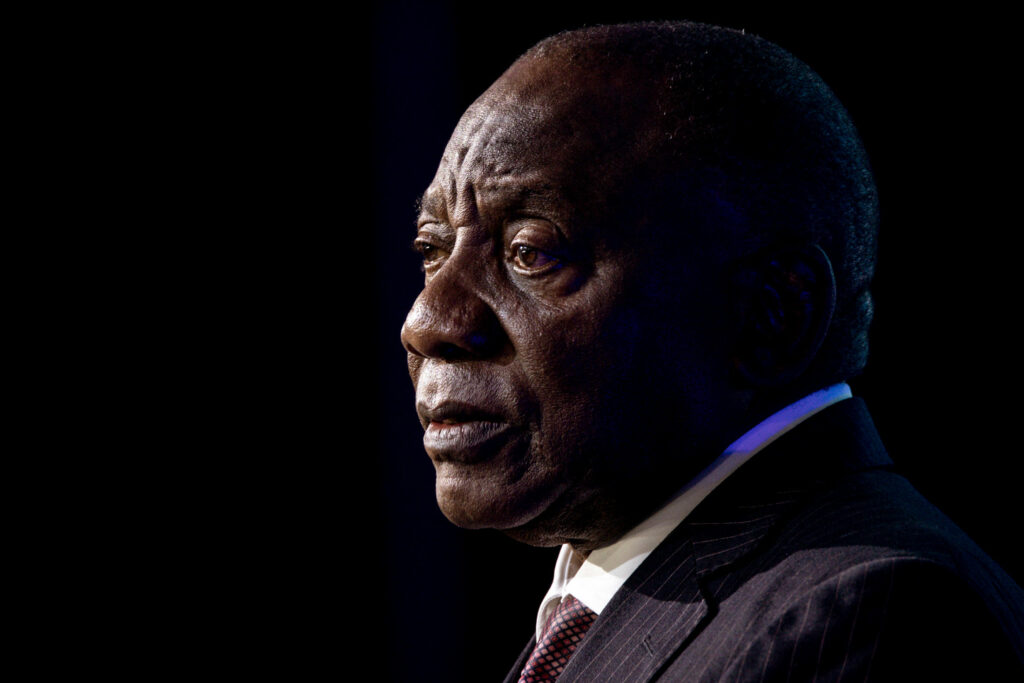
Every year in May, Africa Month serves as a poignant reminder of our shared heritage and the rich tapestry of cultures that define the continent. This annual observance honors the formation of the Organisation of African Unity in 1963, an event that marked a pivotal moment in the quest for unity and self-determination among African nations. As we embrace this period of reflection, it is essential to recognize not only our achievements but also the historical challenges that continue to influence our present and future.
Africa is a continent characterized by its diversity, with over 1,500 languages and various cultural practices that enrich its identity. Despite these differences, there exists a profound sense of belonging that unites us as Africans. This shared identity goes beyond borders and languages, embodying common values, aspirations, and a collective resilience that has withstood the test of time. However, as we revel in our continent’s vibrancy, we must also confront the shadows of our colonial past and its lingering effects on our societies today.
The legacy of colonialism is a stark reminder of the injustices that have shaped Africa’s narrative. While many nations gained independence decades ago, the repercussions of colonial rule are still felt across the continent. Economic disparities, political instability, and social conflicts are remnants of a time when foreign powers exploited Africa’s resources and people for their gain. The scars of history run deep, and the struggle for true liberation continues as we work to dismantle the systems of inequality that persist.
One of the most harrowing chapters in Africa’s history is the transcontinental slave trade. For centuries, millions of Africans were forcibly taken from their homeland, treated as mere commodities, and subjected to unimaginable suffering. This brutal reality not only dismantled families and communities but also deprived the continent of its potential. The wealth amassed by colonial powers was built on the back of this oppression, and the echoes of that exploitation are still evident in the socio-economic challenges faced by many African nations today.
In our discussions about reparations, it is vital to recognize that the impacts of colonialism are not merely historical footnotes; they resonate deeply in contemporary society. While some argue that modern governments should not be held accountable for the actions of their predecessors, this perspective fails to acknowledge the intergenerational trauma that continues to affect African communities. The fight for reparations is not just about financial compensation—it is about acknowledging the harm done and taking meaningful steps toward healing and restoration.
The conversation surrounding reparations is complex and often contentious. Critics assert that too much time has elapsed since the colonial era, suggesting that those who suffered are no longer alive, and thus, any form of compensation would be unjust. However, this line of thinking neglects the broader implications of systemic injustice and the ongoing repercussions of historical exploitation. As highlighted by scholar Walter Rodney in his influential work, “How Europe Underdeveloped Africa,” the consequences of colonial violence extend beyond individual experiences—they have fundamentally altered the trajectory of entire societies.
As we commemorate Africa Month, it is essential to reflect on the lessons of our past while looking toward the future. Key takeaways from this exploration include the understanding that our collective identity is rooted in both our triumphs and our struggles. Acknowledging the complexities of our history allows us to engage in meaningful dialogue about how to move forward.
For traders and investors, this means recognizing the potential of African markets while being aware of the historical context that shapes them. The continent is rich in resources and offers vast opportunities for growth and innovation. However, successful investment strategies must consider the socio-economic dynamics and historical narratives at play. Fostering sustainable development involves not only financial investment but also a commitment to equity and justice, ensuring that the benefits of growth are shared among all Africans.
In conclusion, Africa Month is not merely a celebration; it is a call to action. As we honor our identity and heritage, we must also engage with the realities of our past. By doing so, we lay the groundwork for a more equitable future, one where the lessons of history inform our choices and empower us to build a continent that champions dignity, justice, and prosperity for all. As we move forward, let us carry the spirit of unity and resilience that defines us, ensuring that the legacy we leave is one of hope and progress for generations to come.