
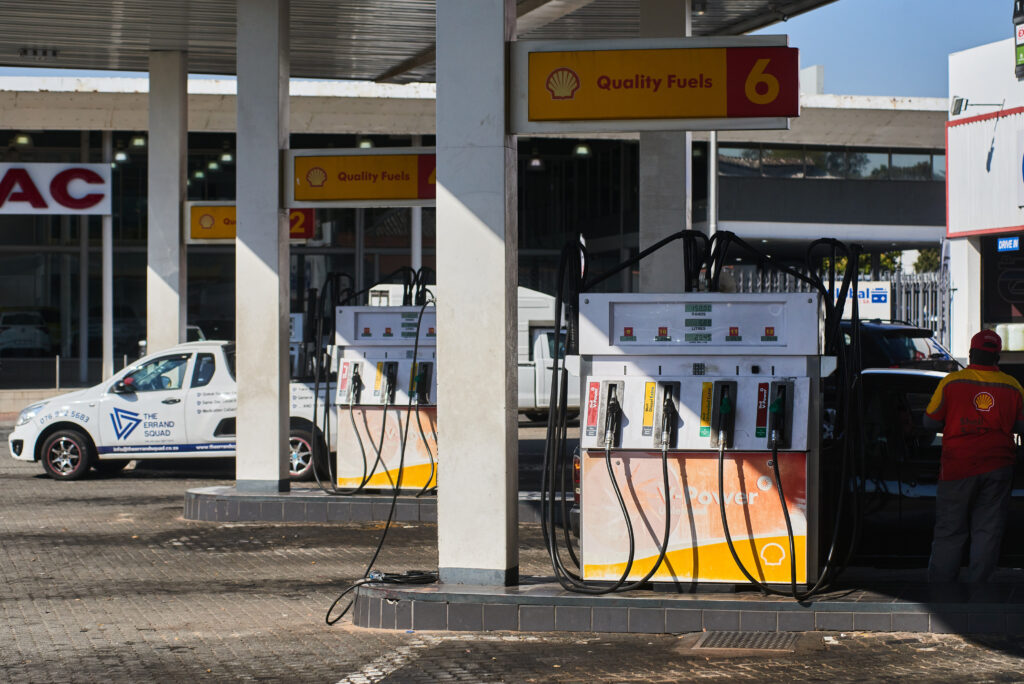
In recent weeks, South Africa has witnessed a dramatic surge in diesel prices, which are expected to surpass the R32 per litre threshold for the first time in history. This unprecedented increase is not only significant for consumers but also poses serious implications for various sectors of the economy, particularly agriculture. As the nation grapples with the economic fallout from escalating fuel costs, it becomes imperative to explore the underlying factors contributing to these price hikes and the potential ramifications for traders and investors alike.
The catalyst behind the soaring diesel prices can be traced back to ongoing tensions in the Middle East, particularly the standoff involving the United States, Israel, and Iran. These geopolitical conflicts have created instability in global oil markets, leading to a spike in crude oil prices. The average price of Brent crude oil saw an alarming increase, rising from $93.67 to $101 per barrel during the review period. This surge had a direct impact on the prices of refined products, including diesel and petrol, which are now reflecting the heightened costs of crude oil.
According to the Department of Mineral and Petroleum Resources (DMRE), the adjustments for May indicate a substantial increase in both grades of diesel, with diesel 500ppm set to retail at R32.09 per litre and diesel 50ppm at R32.30 per litre. This marks the third consecutive month of fuel price shocks, despite government efforts to implement short-term relief measures intended to cushion the impact on households and businesses. Petrol prices have also felt the strain, with increases of R3.27 per litre pushing them back to levels reminiscent of the peak during the Russia-Ukraine conflict in 2022.
One of the most affected sectors is agriculture, which heavily relies on diesel for operations. Farmers and agricultural businesses are particularly vulnerable to these price hikes, as increased fuel costs can translate to higher operational expenses. This, in turn, may lead to increased prices for consumers, creating a ripple effect throughout the economy. The government’s response to alleviate some of these pressures includes a temporary reduction in the general fuel levy. From May 6 to June 2, 2026, the fuel levy will see a decrease, but it is set to revert to its original levels shortly thereafter. This brief reprieve may provide some relief, but the long-term sustainability of such measures is questionable.
Key points to consider include the persistent rise in fuel prices driven by global supply and demand dynamics, particularly from the Persian Gulf, where production has been affected by geopolitical tensions. The DMRE has reported that middle distillates such as diesel and paraffin have seen more pronounced price increases compared to petrol, due to a combination of higher demand and reduced supply. The price adjustments reflect contributions of R4.96 and R4.21 per litre for diesel and illuminating paraffin, respectively, against a backdrop of rising crude oil costs.
For traders and investors, these developments present both challenges and opportunities. The fuel price increases can impact inflation rates, consumer spending, and overall economic growth, which are critical considerations for anyone involved in the financial markets. Investors in energy stocks may find themselves in a favorable position, as rising oil prices can lead to increased revenues for these companies. Conversely, sectors heavily reliant on fuel, such as transportation and agriculture, may experience declining profit margins, prompting investors to reassess their positions in these industries.
As the situation unfolds, it is crucial for market participants to remain vigilant. Monitoring geopolitical developments, as well as domestic policies and economic indicators, will be essential in navigating the complexities of the current fuel price landscape. The interplay between global oil markets and local economic conditions will continue to shape the financial outlook for South Africa in the coming months.
In conclusion, the surge in diesel prices to unprecedented levels is a multifaceted issue influenced by global conflicts, supply chain disruptions, and local economic policies. As South Africa faces the ramifications of these increases, both businesses and consumers will need to adapt to the new economic realities. While short-term relief measures may provide some respite, the long-term impact of rising fuel costs will likely necessitate a reevaluation of strategies for traders, investors, and policymakers alike. Understanding these dynamics will be key to navigating the challenges ahead in an increasingly volatile economic environment.