
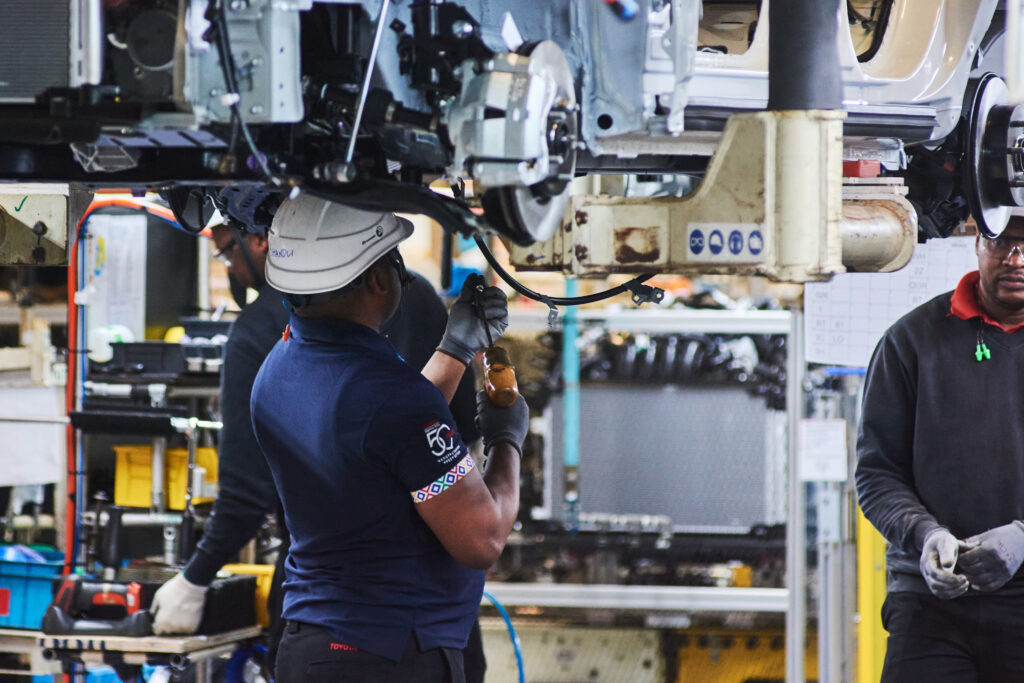
As South Africa navigates through a landscape of economic challenges, recent data reveals a glimmer of hope for the manufacturing sector. The latest report from Absa Group Ltd. indicates that manufacturer sentiment has reached its highest level in two years, suggesting a potential turnaround for an industry long plagued by volatility. The Purchasing Managers’ Index (PMI), a crucial indicator of business activity and sentiment, has surged to 52.6 in April, up from 49 in March. This increase marks the first time the index has surpassed the neutral threshold of 50 since September 2025, signaling a shift towards expansion.
A closer look at the factors driving this uptick in sentiment reveals a mixed bag of influences. The PMI measures various components of the manufacturing sector, including business activity and new sales orders. In April, the business activity index rose to 52.8 from 46.1 in March, while new sales orders jumped to 52.9, up from 44.5. This encouraging shift indicates a meaningful uptick in production levels as manufacturers respond to increased domestic demand.
However, it’s essential to note that this recovery appears to be somewhat fragile. Absa pointed out that while domestic demand has strengthened, export sales have actually declined. This juxtaposition raises concerns about the sustainability of the recovery, especially considering external factors that could impact future performance. The current geopolitical climate, particularly the tensions stemming from the conflict involving Iran, has introduced additional uncertainty into the economic landscape.
In light of the ongoing war that escalated on February 28, 2026, manufacturers are grappling with rising input costs, particularly in oil-linked sectors. Higher fuel prices have put pressure on production costs, prompting the South African government to implement a fuel levy reduction aimed at alleviating some of the financial burdens on businesses and households. While this measure may provide temporary relief, it raises questions about the long-term implications for the economy.
Key points to consider from the latest PMI report include:
1. **Sentiment Recovery**: The PMI has risen above the neutral mark for the first time in nearly two years, reflecting positive sentiment among manufacturers.
2. **Domestic Demand vs. Exports**: The increase in business activity is primarily driven by stronger domestic demand. However, the decline in export sales suggests that reliance on local markets may not be enough for sustained growth.
3. **Rising Input Costs**: Manufacturing firms are facing significant cost pressures due to rising fuel prices and other inflationary factors. This could lead to squeezed profit margins and may hinder the growth momentum.
4. **Future Outlook**: While the immediate data is encouraging, concerns about the sustainability of this recovery remain. The potential for reduced demand in the coming months, as orders are front-loaded in anticipation of price increases, complicates the outlook.
For traders and investors, the recent data presents both opportunities and risks. On one hand, the recovery in manufacturer sentiment could signal a positive shift in the broader economy, potentially leading to increased investment in the sector. On the other hand, the looming pressures from rising costs and declining export sales necessitate a cautious approach. Investors might want to keep a close eye on how manufacturers adjust to these cost pressures and whether domestic demand can continue to support growth.
In conclusion, while the latest figures from South Africa’s manufacturing sector are encouraging, they also highlight the complexities of the current economic environment. The balance between rising costs and improving demand will be critical in determining the sustainability of this recovery. As the industry adjusts to both domestic and international challenges, stakeholders must remain vigilant, adapting their strategies to navigate the evolving landscape. The road ahead may be fraught with challenges, but the recent uptick in sentiment offers a glimpse of potential resilience in South Africa’s manufacturing sector.