
In recent weeks, consumers have been grappling with another significant surge in fuel prices, raising concerns about discretionary spending and overall economic health. The financial landscape is shifting, and as prices soar, it is crucial for both investors and consumers to understand the broader implications of these changes. This blog post delves into the causes behind the fuel price increase, its impact on consumer behavior, and how financial institutions are adapting their strategies in this volatile environment.
Fuel prices have always been a sensitive topic for consumers, and the latest increase is no exception. As the cost of fuel rises, it directly affects the expenses of households, leading to reduced discretionary spending on non-essential goods and services. This phenomenon can create a ripple effect throughout the economy, as businesses experience a decline in sales when consumers tighten their wallets. The current scenario prompts a closer examination of the factors driving these price hikes and their subsequent impact on financial markets.
Several key elements contribute to fluctuations in fuel prices. Among them are geopolitical tensions, production levels, and supply chain disruptions. Recently, conflicts in the Middle East, particularly in Iran, have raised concerns about oil supply stability. Such geopolitical developments often lead to speculation and volatility in oil markets, driving prices upward. Additionally, production decisions made by OPEC and its allies can significantly influence global oil supply, further impacting fuel prices. When combined with factors like inflation and increased demand post-pandemic, the result is a perfect storm that can strain consumers’ finances.
The implications of rising fuel prices extend beyond just the pump. As consumers face higher expenses for transportation, they may prioritize essential purchases over discretionary items. This shift in spending habits can lead to decreased revenue for businesses that rely on consumer spending for growth. Retailers, restaurants, and entertainment venues may find themselves in a precarious position as customers cut back on non-essential expenses. As discretionary spending slows, businesses may need to adjust their strategies, potentially leading to layoffs or reduced hours for employees.
From an investment perspective, understanding these market dynamics is essential. Portfolio managers and investment firms are continuously reevaluating their strategies in response to changing economic conditions. For instance, Reza Hendrickse from PPS Investments shared insights on how his firm positioned portfolios in light of the recent geopolitical tensions. By taking a proactive approach to manage exposure in emerging markets and adjusting asset allocations, investors can better navigate the uncertain waters created by rising fuel prices and geopolitical instability.
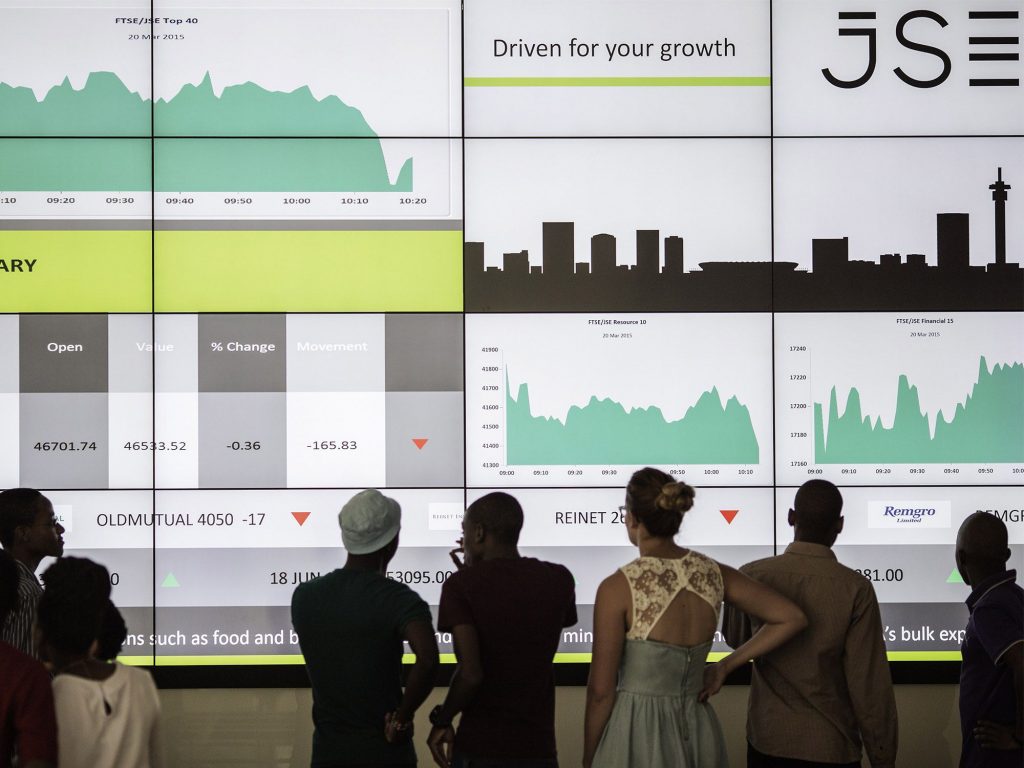
One of the more innovative developments in the financial space is the recent launch of Africa’s first nature-linked, performance-based bond by the Johannesburg Stock Exchange (JSE). This initiative represents a forward-thinking approach to sustainable finance, marrying economic growth with environmental stewardship. The bond aims to fund projects that will have a positive impact on the environment while offering returns to investors. Such financial instruments could play a crucial role in mobilizing capital towards sustainable initiatives, particularly in regions where environmental concerns are paramount.
Key takeaways from this evolving situation include the necessity for consumers to adapt their spending habits in response to increased living costs, the importance of businesses to remain agile in their operations, and the need for investors to closely monitor market trends and geopolitical developments. As fuel prices continue to fluctuate, understanding these dynamics will be vital for making informed financial decisions.
For traders and investors, the current climate presents both challenges and opportunities. Those who can identify sectors that may benefit from the increased focus on sustainability and economic resilience may find lucrative investment opportunities. Additionally, keeping a pulse on consumer sentiment and spending patterns can provide valuable insights for anticipating market movements.
In conclusion, the latest surge in fuel prices serves as a reminder of the interconnectedness of global events and their impact on the economy. As consumers face rising costs, businesses must adapt to shifting spending habits, and investors should remain vigilant about market dynamics. By understanding these elements, stakeholders can better navigate the financial landscape, leveraging opportunities while mitigating risks in an increasingly complex environment.