
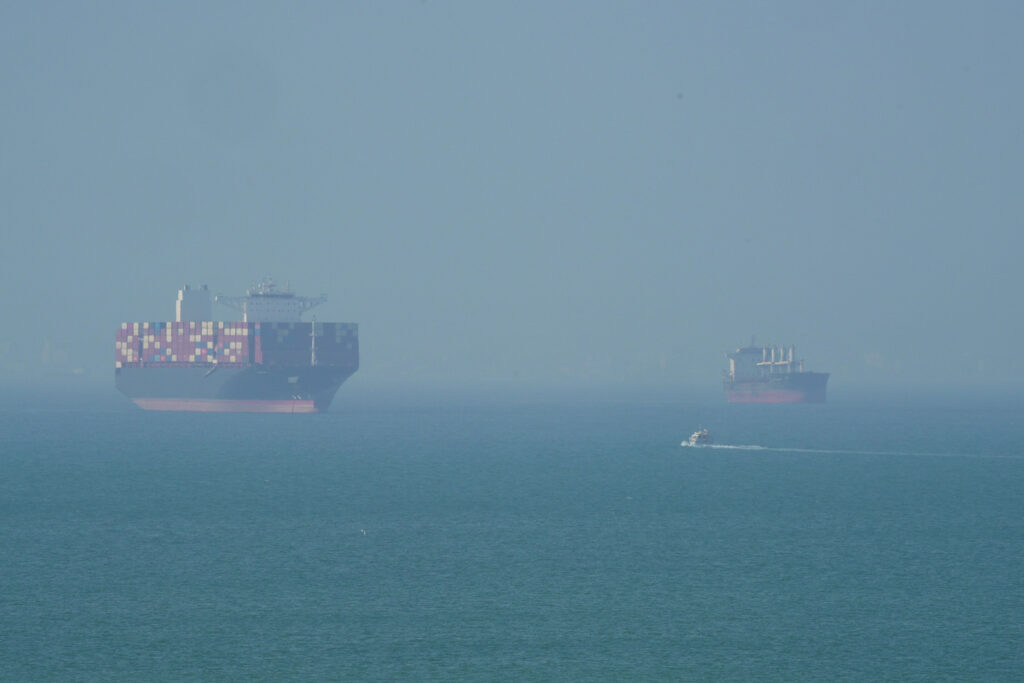
In recent weeks, the geopolitical landscape surrounding the Strait of Hormuz has become increasingly fraught, marked by escalating military tensions between the United States and Iran. As both nations grapple with their conflicting interests, the implications for global trade and oil prices are profound. This blog post delves into the latest developments in the region, examining the strategic maneuvers by both the U.S. and Iran and the potential impact on investors and traders alike.
The Strait of Hormuz, a crucial chokepoint for global oil supplies, has always been a flashpoint for tensions in the Middle East. The recent skirmishes involving Iranian attacks on commercial vessels, coupled with U.S. military responses, have reignited fears of a potential escalation into open conflict. U.S. officials, however, have sought to calm the waters, stating that despite the clashes, a ceasefire remains in effect. General Dan Caine, Chairman of the Joint Chiefs of Staff, emphasized that the attacks did not violate the existing truce, and Defense Secretary Pete Hegseth echoed this sentiment, reassuring the public of a measured U.S. response.
This latest round of tensions was sparked by President Donald Trump’s announcement of “Project Freedom,” aimed at facilitating safe passage for neutral vessels navigating through the Strait of Hormuz. The initiative appears to be a defensive measure intended to counter Iranian aggression while ensuring that commercial shipping remains uninterrupted. In a show of force, U.S. naval assets were deployed, including warships that engaged Iranian drones and small boats in defense of merchant shipping.
A significant aspect of this situation is the impasse between the U.S. and Iran regarding negotiations for a lasting peace. The Iranian government has made it clear that any discussion about easing tensions hinges on the lifting of the U.S. naval blockade on its ports, a blockade that Washington argues is essential to curb Iran’s oil exports and economic capabilities. This stalemate underscores the complexities of diplomatic engagement in the region, where both sides remain entrenched in their positions.
The economic ramifications of these developments are substantial. For one, oil prices are highly sensitive to geopolitical events, and the recent uptick in military hostilities has already begun to influence market dynamics. Following the announcement of Project Freedom, Brent crude oil prices experienced a notable dip, reflecting market uncertainty. Traders are acutely aware that any further escalation could drive prices higher, as disruptions in oil supply from the Gulf could have far-reaching implications for the global economy.
Key takeaways from this situation include the recognition that geopolitical tensions can significantly impact market stability. As more than 1,550 commercial vessels and 22,000 sailors find themselves in a precarious position in the Gulf, the potential for further conflict looms large. Analysts are closely monitoring the actions of both the U.S. and Iran, as any miscalculation could lead to a broader military engagement, further destabilizing the region.
For traders and investors, the current environment requires a nuanced approach. Those involved in oil markets must remain vigilant, as shifts in geopolitical sentiment can lead to rapid price fluctuations. Understanding the implications of U.S. military strategies and Iranian responses is critical for making informed trading decisions. Additionally, investors should consider diversifying their portfolios to mitigate risks associated with potential disruptions in oil supply.
In conclusion, the tensions in the Persian Gulf represent a complex interplay of military strategy, economic interests, and geopolitical maneuvering. As the U.S. and Iran navigate their fraught relationship, the potential for conflict remains palpable, with significant consequences for global oil markets and commercial shipping. For traders, staying informed and agile in response to evolving circumstances will be paramount in this uncertain landscape. The ongoing developments serve as a reminder of the intricate connections between geopolitics and financial markets, highlighting the need for careful analysis and strategic planning in times of turmoil.