
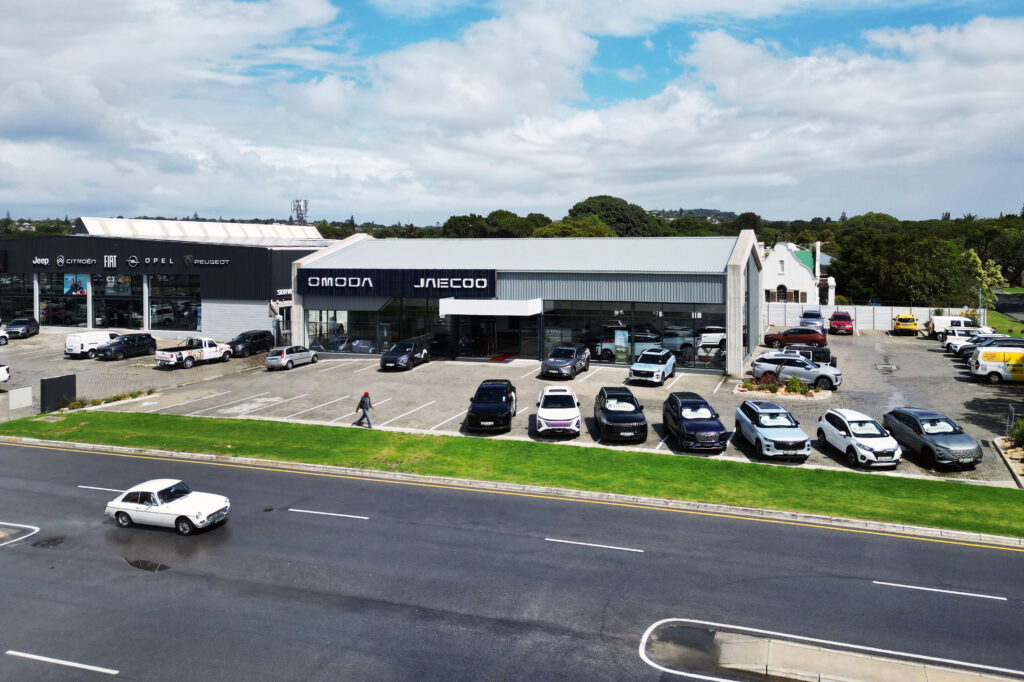
The automotive market in South Africa is undergoing a significant transformation as a surge of ultra-competitive offerings from Chinese manufacturers has captured the attention of consumers. This influx of new brands, particularly in the SUV segment, has not only changed consumer preferences but has also reshaped the competitive landscape for traditional automakers. In this blog post, we will explore the impact of these developments on the automotive industry, focusing on how Chinese brands are influencing consumer behavior and market dynamics.
The arrival of Chinese car manufacturers such as GWM, Chery, Omoda, Jaecoo, Jetour, MG, JAIC, and BAIC marks a notable shift in the South African automotive sector. With their attractive pricing strategies and a commitment to delivering high-quality vehicles, these brands have gained a considerable market share. According to WeBuyCars, the country’s leading seller of pre-owned vehicles, this shift has significantly influenced consumer behavior, leading to increased competition in the market.
For many years, purchasing a Chinese vehicle was often perceived as a compromise, with consumers opting for these models primarily due to their lower price point. However, Jebb McIntosh, CEO of Combined Motor Holdings (CMH), has noted a pivotal change in this perception. Consumers are now recognizing that they can acquire vehicles that not only come at a competitive price but also boast high-quality construction and superior specifications. This realization has shifted the narrative, and quality is no longer a concern for many buyers.
The impact of this trend is underscored by the fact that vehicles imported from India and China now account for a staggering 55% of total vehicle sales in South Africa. Chinese imports alone make up 16% of the market, while Indian vehicles contribute 39%, primarily through popular brands such as Suzuki, Toyota, and Hyundai. This influx of Chinese and Indian vehicles has created unprotected pressure on traditional local manufacturers, compelling them to rethink their strategies in order to remain competitive.
One major question on the minds of industry insiders is how these vehicles will perform once they enter the used car market in significant volumes. McIntosh highlighted this uncertainty, noting that while the resale values of these vehicles have not yet been thoroughly tested, the potential for a significant impact on the used car market is evident. Over 160,000 vehicles from Chinese brands, along with Suzuki and Mahindra, were sold domestically in the last year, indicating a growing presence that could reshape resale values in the coming years.
The current dynamics in the automotive market have led to some interesting observations regarding used car pricing. Typically, used car prices tend to rise in alignment with inflation in new car prices. However, with the recent stagnation in new car pricing growth, consumers are finding themselves holding onto their vehicles for longer periods. This shift is further complicated by the influx of affordable new options, which may alter the traditional pricing structure of used vehicles.
For traders and investors in the automotive sector, this evolving landscape presents both challenges and opportunities. The changing consumer preferences towards Chinese vehicles indicate a need for traditional manufacturers to innovate and adapt. Companies that can successfully differentiate their offerings through technology, sustainability, and customer service may find themselves better positioned to compete in this new environment.
Moreover, investors should pay close attention to the potential resale markets for these vehicles. As the number of Chinese and Indian brands on the road increases, understanding how these vehicles hold their value over time will be crucial for both individual consumers and businesses in the automotive sector. The resale performance of these vehicles will provide valuable insights into consumer confidence and brand perception in the long run.
In conclusion, the rise of Chinese automakers in South Africa is a game changer for the automotive industry, impacting consumer behavior and competitive dynamics. With their attractive pricing and quality offerings, these brands have carved out a significant niche, compelling traditional manufacturers to rethink their strategies. As the market evolves, both consumers and investors must remain vigilant, adapting to these changes and recognizing the opportunities that lie ahead in a rapidly changing automotive landscape. The future of the South African automotive market is being reshaped, and those who can navigate these waters effectively will be the ones to thrive.