
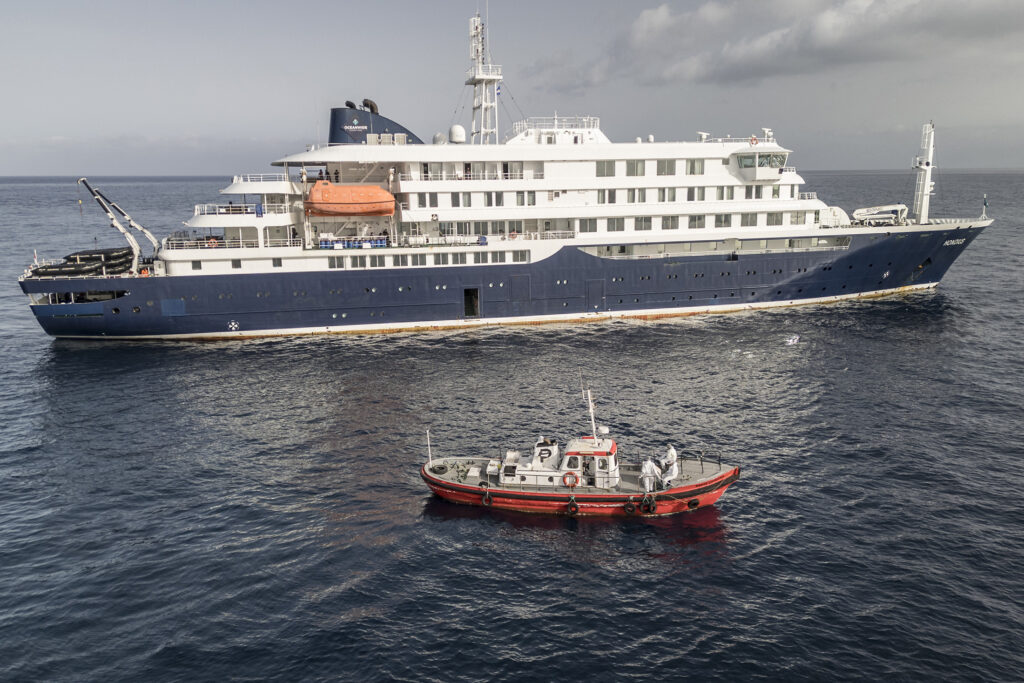
In recent days, an alarming health crisis has unfolded aboard the Dutch-flagged expedition cruise ship Hondius, where a hantavirus outbreak has raised serious concerns for passengers and crew members alike. The situation has led to the evacuation of several individuals requiring urgent medical care and has ignited widespread media coverage, drawing attention not only to the health implications but also to the potential impact on the travel and tourism sector. This blog post will delve into the details surrounding the outbreak, its implications for the cruise line industry, and what traders and investors should consider moving forward.
The Hondius, operated by Oceanwide Expeditions BV, is currently stationed near Cape Verde off the coast of West Africa. After three individuals were evacuated, including two crew members needing immediate medical attention and a person linked to a deceased passenger, the ship plans to set sail for the Canary Islands. The World Health Organization (WHO) has reported that seven medical cases have been linked to this voyage, including two confirmed hantavirus infections and three fatalities. As investigations continue, the WHO is exploring the possibility of limited human-to-human transmission among close contacts, although hantavirus is primarily spread through interaction with infected rodents or their droppings.
The implications of this outbreak extend beyond immediate health concerns and into the broader travel industry. It is crucial to understand the nature of hantavirus, which causes flu-like symptoms and can escalate into severe respiratory issues. While the general public risk is considered low, as person-to-person transmission is uncommon, the incident has raised eyebrows within the health and tourism sectors. As travelers become increasingly wary of potential health risks, the impact on cruise lines, specifically those operating in expedition tourism, could be profound.
Key Points to Consider:
1. **Impact on Cruise Line Operations**: The outbreak could lead to increased scrutiny and regulation of cruise operations, especially regarding health protocols. Companies may need to invest in enhanced sanitation measures and emergency response plans to reassure travelers.
2. **Traveler Sentiment**: Following such incidents, traveler sentiment can shift significantly. Potential travelers might reconsider booking cruises or travel to areas known for health risks, impacting sales and revenue for cruise lines.
3. **Insurance and Liability Issues**: The outbreak may lead to complex legal scenarios regarding liability for illness on board. Cruise lines could face increased insurance premiums or claims, which could affect their bottom line.
4. **Market Reaction**: Investors should monitor how the stock prices of cruise line companies react to news of the outbreak. A decline in bookings or negative media coverage could lead to short-term stock volatility.
5. **Health Protocols Going Forward**: The WHO and health authorities will likely implement stricter health protocols for cruise lines, which could lead to increased operational costs for companies.
Investor Insights:
For traders and investors, the current situation presents both risks and opportunities. While the outbreak raises concerns about immediate profitability for cruise lines, it could also lead to a reassessment of how these companies operate in terms of health safety. Investors should keep an eye on the measures that cruise lines are implementing in response to this incident.
Additionally, it may be prudent to diversify investments by looking at companies that provide health and safety solutions for the travel sector, as demand for such services is likely to increase in the aftermath of the outbreak. Companies specializing in health security and sanitation could experience growth as the cruise line industry adapts to new norms.
Conclusion:
The hantavirus outbreak aboard the Hondius serves as a stark reminder of the health risks associated with travel, particularly in close quarters on cruise ships. While the immediate health implications are critical, the broader impact on the cruise line industry and travel sentiments should not be underestimated. Investors should remain vigilant, keeping track of developments and adjusting their strategies accordingly. As the industry navigates this crisis, the lessons learned could lead to a safer and more resilient travel experience for all in the future.