
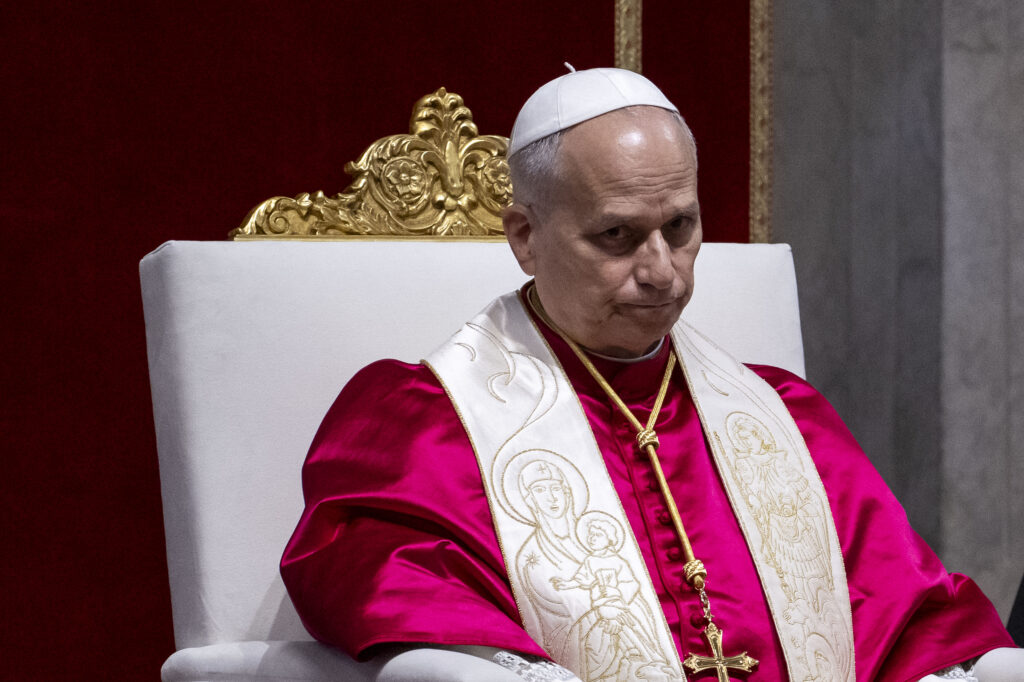
The diplomatic landscape often teeters on the edge of delicate negotiations, especially when it involves prominent figures like Donald Trump and Pope Leo XIV. Recently, this tension has resurfaced, complicating Secretary of State Marco Rubio’s mission to the Vatican, which coincides with the ongoing political maneuvering in the United States as we approach the 2028 presidential elections. Understanding the implications of this clash is essential, particularly for those keeping a close eye on the intersection of religion, politics, and international relations.
At the heart of this dispute is a growing rift between Trump, the former president of the United States, and Pope Leo XIV, the first pontiff born in the U.S. The timing of this conflict is particularly significant, as both Rubio and Vice President JD Vance, who are also Catholic and potential contenders for the 2028 Republican nomination, prepare for their diplomatic engagement in Italy. The remarks exchanged between Trump and the pope not only underscore their differing views but also highlight the potential ramifications for the Republican Party and its relationship with the Catholic electorate.
In a recent statement, Pope Leo XIV reaffirmed his commitment to advocating for peace, directly responding to Trump’s claims that the pontiff was lenient towards Iran obtaining nuclear weapons. This back-and-forth intensified following military actions taken by the U.S. and Israel against Iran earlier this year. Unlike his predecessor, Pope Francis, who often engaged in political dialogues, Leo had maintained a relatively neutral stance until April, when Trump’s provocative comments on social media prompted the pope to speak out against the war.
Italian Prime Minister Giorgia Meloni publicly sided with the pope, deeming Trump’s comments “unacceptable.” This political backing demonstrates how the Vatican’s influence extends beyond spiritual matters and into the realm of global politics. On the other hand, Vance, a recent convert to Catholicism, defended Trump, suggesting that the pope should be cautious in his statements. Meanwhile, Rubio attempted to ease tensions, framing his visit to the Vatican as pre-planned and unconnected to the recent disputes.
The pope’s statements in Castel Gandolfo emphasized the Church’s long-standing opposition to nuclear weapons, reinforcing his position on the moral implications of such technologies. He underscored that his mission is to spread the Gospel and promote peace, indicating that any criticism he faces for these beliefs should be addressed truthfully. This assertion reflects the pope’s commitment to his role as a spiritual leader rather than a political figure, yet it also places him squarely in the crosshairs of a highly charged political environment.
Key takeaways from this situation highlight the increasing polarization of political discourse in the United States, especially as it relates to religious beliefs and international relations. The conflict serves as a reminder of how domestic politics can influence foreign diplomacy, particularly when key figures from both sides are involved. The Republican Party, with its two prominent Catholic figures navigating this landscape, must consider how to maintain its appeal to Catholic voters while addressing the contentious views of its former leader.
For traders and investors, this situation is a notable example of how political events can have broader implications for market stability. Uncertainty in international relations, especially involving nuclear capabilities, can lead to fluctuations in market confidence. Investors should remain vigilant, as political tensions often translate into economic consequences that can impact various sectors, particularly defense, energy, and international trade.
In conclusion, the clash between Donald Trump and Pope Leo XIV presents a complex interplay of politics, religion, and diplomacy that could reshape the landscape leading up to the 2028 presidential election. As Marco Rubio embarks on his diplomatic mission, the implications of these exchanges extend beyond personal disputes; they touch on fundamental issues of morality, governance, and the role of faith in public life. For both political leaders and investors alike, staying informed on these developments will be crucial as they navigate this intricate web of influences shaping our world today.