
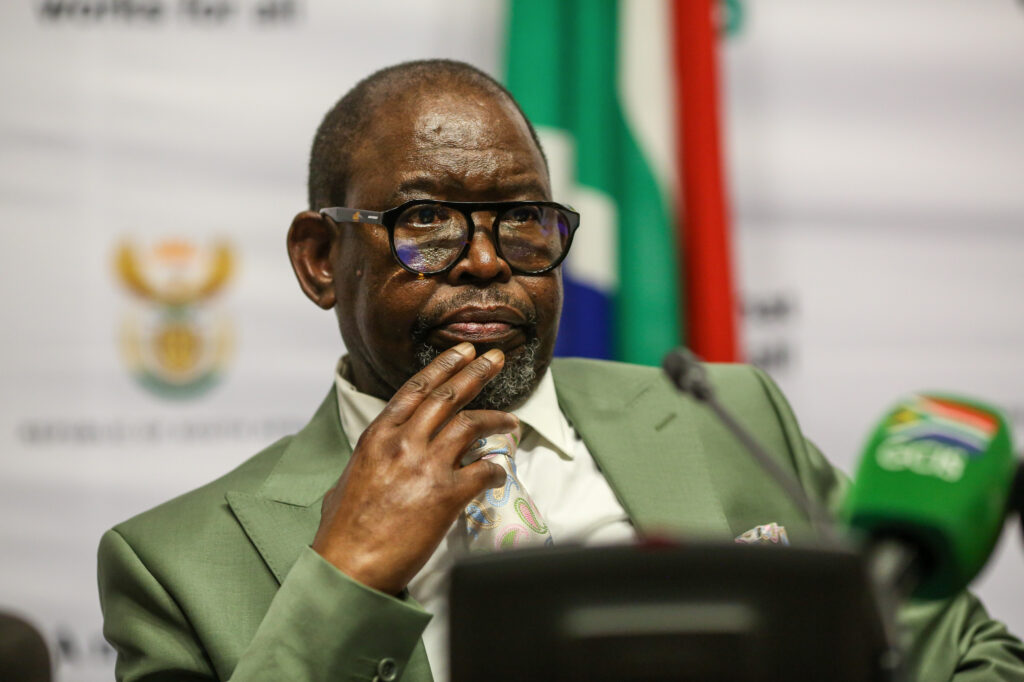
In recent weeks, the financial landscape of Johannesburg has become a focal point of contention between government officials and municipal leadership, highlighting the precarious balance between fiscal responsibility and labor agreements. South Africa’s Finance Minister, Enoch Godongwana, has raised alarm bells regarding a significant wage deal signed with the South African Municipal Workers Union, threatening to cut state funding to the city unless the agreement is revoked. This unfolding scenario not only underscores the financial struggles facing Johannesburg but also reveals deeper systemic issues that could impact the city’s governance and economic stability.
The tension between Godongwana and Johannesburg Mayor Dada Morero is rooted in concerns over fiscal sustainability. In a letter dated April 23, Godongwana outlined his objections to a two-year wage agreement worth R10.3 billion, asserting that it was signed illegally. He emphasized the potential repercussions of this pact, stating that it could jeopardize the financial viability of the city, which serves a population of approximately 4.8 million residents. Godongwana’s message was clear: the city must halt the implementation of this agreement or face severe financial consequences, including the cessation of government funding starting in July.
This escalating dispute comes at a crucial time, with municipal elections scheduled for November. The looming threat of funding withdrawal adds a layer of complexity to an already tumultuous political environment marked by accusations of mismanagement and corruption within the city. The Democratic Alliance, South Africa’s second-largest political party, is seizing the opportunity to challenge the African National Congress (ANC), which has held power in the city council for many years. The party’s mayoral candidate, Helen Zille, is expected to address the media, making the most of the current predicament to gain political leverage.
Key issues raised by Godongwana include unmet revenue targets, delayed payments to creditors, and a lack of transparency in the city’s financial dealings. He also pointed out the city’s failure to rectify unauthorized and wasteful expenditure, a warning that his ministry had issued previously. These financial missteps have tangible effects on Johannesburg residents, who have been grappling with ongoing water and power outages and the deterioration of public infrastructure, such as pothole-ridden roads.
The ramifications of this situation extend beyond immediate funding threats. If the wage agreement is not revised, Johannesburg could face a fiscal crisis that would undermine essential services and infrastructure maintenance. The city’s inability to manage its finances effectively could lead to a loss of public trust and further complicate governance as election season approaches.
For traders and investors, this unfolding drama serves as a cautionary tale about the risks associated with municipal investments and the importance of understanding the political landscape. The potential for funding cuts and the ensuing financial strain on local governments can create volatility in municipal bonds and related investment vehicles. Investors should closely monitor the developments in Johannesburg, particularly the outcomes of the negotiations regarding the wage agreement and the political dynamics leading up to the municipal elections.
Furthermore, understanding the broader economic context in which Johannesburg operates is critical. The city, as South Africa’s economic hub, plays a vital role in the national economy. Continued financial instability could have cascading effects on investor confidence and economic growth across the country. Stakeholders must remain vigilant as the situation evolves, recognizing that local governance issues can have far-reaching implications for the financial markets.
In conclusion, the confrontation between Finance Minister Enoch Godongwana and Mayor Dada Morero highlights the intricate relationship between fiscal policy, labor agreements, and political power in Johannesburg. As the city grapples with its financial obligations and prepares for upcoming elections, the stakes are high. The potential withdrawal of government funding serves as a wake-up call for municipal leaders to prioritize fiscal responsibility and transparency. For investors and traders, keeping a close eye on these developments is essential to navigate the uncertainties that may arise in the wake of this contentious political and financial landscape. The resolution of this conflict will not only shape the future of Johannesburg but could also influence broader economic trends throughout South Africa.