
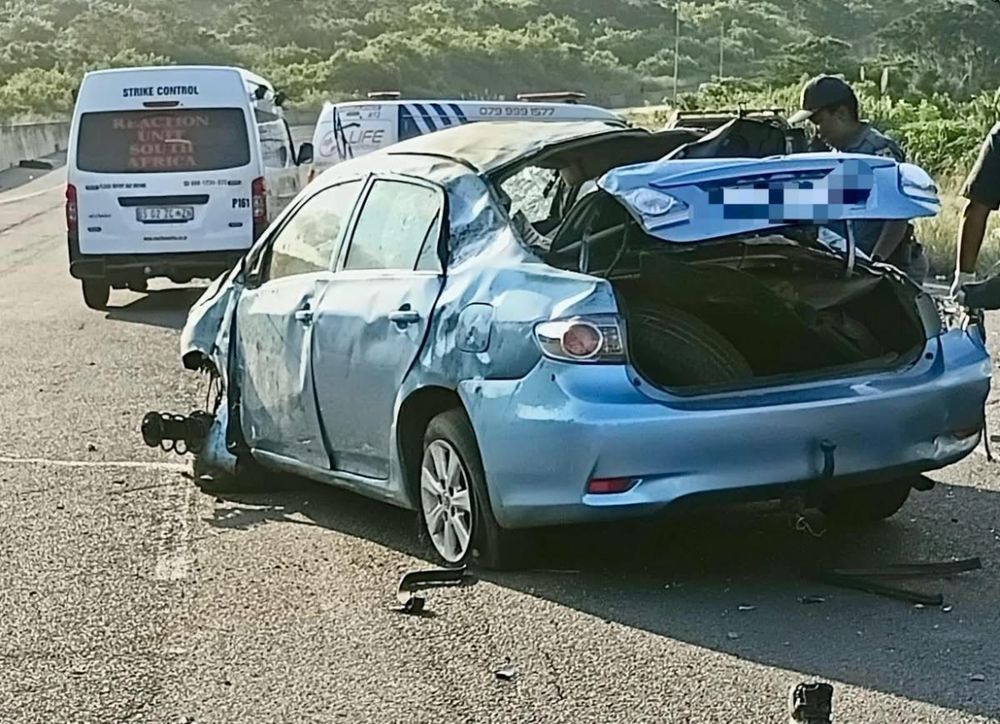
Experiencing a car accident can be one of the most stressful moments in a person’s life. It is not just the impact of the collision but the immediate aftermath that can be overwhelming. In the heat of the moment, drivers may feel disoriented and unsure of what to do next. However, the actions taken shortly after an accident can significantly affect personal safety, legal rights, and the efficiency of insurance claims. Understanding the critical steps to follow can aid in navigating this chaotic situation more effectively.
The unpredictability of car accidents is a fact of life on the roads. Even the most vigilant drivers can find themselves in an unexpected collision. In these high-stress situations, emotions can run high, and the adrenaline rush can cloud judgment. Therefore, knowing the essential protocol to follow after an accident is crucial for ensuring safety and protecting legal interests.
The first and foremost priority after any car accident is to ensure the safety of all individuals involved. Before assessing any damage to vehicles, it is vital to check yourself and your passengers for injuries. If the vehicle is operable and it is safe to do so, move it away from traffic to a secure location, such as the side of the road. Turning on hazard lights and using warning triangles, if available, can help alert other drivers to the situation while you focus on assessing injuries.
Next, if there are any injuries, it is imperative to contact emergency services immediately. In many jurisdictions, including South Africa, it is a legal requirement to call the police to the scene if injuries are present, if a state-owned vehicle or property is involved, or if the other driver leaves the scene. Having robust insurance coverage can provide additional peace of mind, as many policies offer access to emergency roadside assistance and medical services, ensuring that help is available at a moment’s notice.
Documenting the scene of the accident is another crucial step. In our digital age, smartphones serve as powerful tools for gathering evidence. Before any vehicles are moved or towed, take comprehensive photographs and videos of the scene, capturing the positions of all vehicles involved, the damages incurred, and the surrounding environment. This documentation may include road signs, skid marks, and weather conditions at the time of the accident. Such evidence can be invaluable for your insurance provider, aiding them in reconstructing the event and facilitating a smoother claims process.
While it is essential to exchange information with other parties involved in the accident, it is equally important to avoid admitting any fault at the scene. Gather contact information, insurance details, and license plate numbers, but refrain from making emotional statements that could be interpreted as an admission of liability. Legal determinations of fault are based on a comprehensive examination of the evidence, and what may seem like a harmless comment could complicate the claims process later on.
Following the exchange of information, it is necessary to report the incident to the appropriate authorities. In South Africa, accidents must be reported to the South African Police Service (SAPS) within 24 hours to obtain an Accident Report (AR) number—this is a vital requirement for any insurance claims. After securing this report, promptly notify your insurance company about the incident. They will guide you through the claims process, which is crucial for recovering any financial losses resulting from the accident.
In summary, knowing what steps to take immediately following a car accident can significantly impact your safety, legal standing, and the overall claims process. Prioritizing safety, contacting emergency services, documenting the scene, exchanging information without admitting liability, and reporting the incident are all essential actions to take.
For traders and investors, the implications of an accident extend beyond immediate personal safety. Understanding the financial ramifications of vehicle accidents can aid in making informed decisions about insurance coverage and risk management. The right insurance policy can mitigate potential losses, providing a safety net during unforeseen circumstances.
In conclusion, while car accidents are unexpected and distressing, having a clear plan of action can help you navigate the aftermath more effectively. By staying calm and following these essential steps, you can protect not only your physical well-being but also your legal rights and financial interests. Remember, preparation and awareness are key to handling any unexpected situation on the road.