
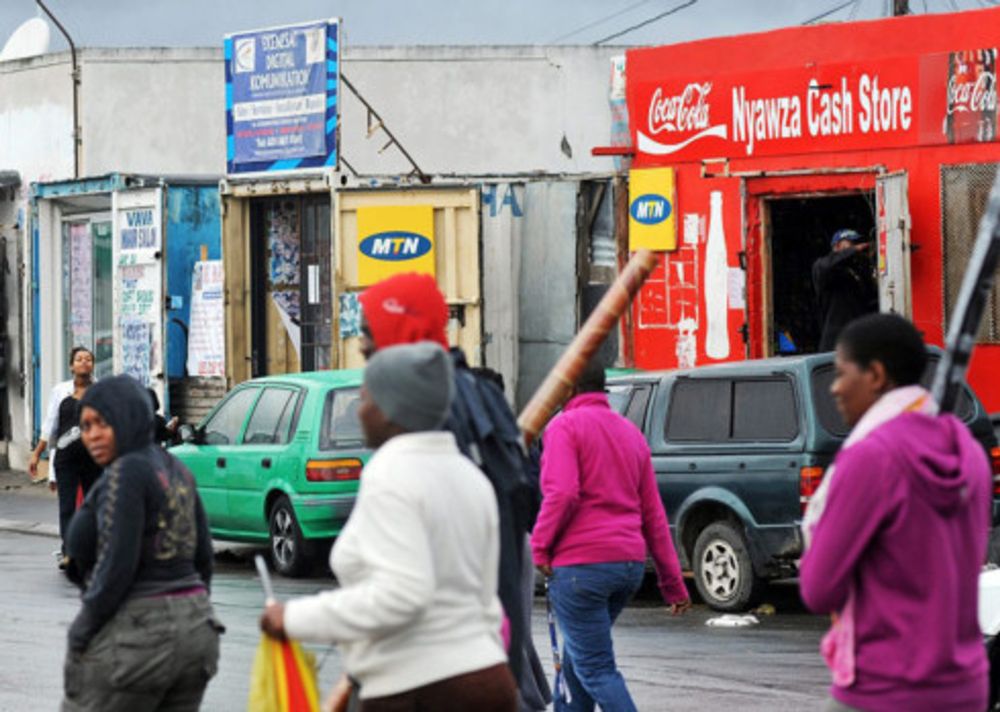
As South Africa grapples with an increasingly precarious economic landscape, consumers are bracing themselves for yet another challenge: a significant rise in fuel prices expected in May. This development is not just an isolated issue; it compounds an ongoing cost-of-living crisis that continues to strain household budgets across the nation. With food inflation on the rise and no relief from interest rate cuts in sight, the financial outlook for many families appears daunting.
Fuel prices in South Africa are set to increase due to a confluence of factors that include global oil market volatility and geopolitical tensions. The recent surge in international oil prices, which recently hit $111 per barrel, has raised alarm bells domestically. The country, heavily reliant on imported fuel, must contend with these external pressures that translate to higher costs at the pump. This impending increase is particularly concerning as it comes at a time when many households are already stretched thin financially.
The anticipated rise in fuel costs is expected to be significant, with projections indicating an increase of approximately R1.85 per litre for petrol. The situation for diesel is even more dire, with potential hikes around R5.40 per litre. The Central Energy Fund has reported an under-recovery of R1.76 for 93 Unleaded petrol and R2.09 for 95 Unleaded, indicating that the market is already feeling the strain. These figures corroborate the warnings issued by experts, including Neil Roets, CEO of Debt Rescue, who emphasizes that many South African consumers simply do not have the financial leeway to absorb such increases.
The ramifications of rising fuel prices extend beyond the immediate costs at the pump. As fuel prices soar, they contribute to a broader inflationary trend that affects essential goods, particularly food. Recent data from the Pietermaritzburg Economic Justice and Dignity Group highlights the impact of rising fuel costs on household budgets, revealing that the average cost of a basic food basket has increased by R123.56, or 2.3%, bringing the total to R5,452.09. This increase indicates that even as food price inflation has seen some moderation, consumers are not out of the woods.
The crux of the issue lies in the overwhelming pressure on consumers who are already grappling with tight budgets. With ongoing economic challenges, including stagnant wages and rising living costs, households are finding it increasingly difficult to adjust their financial plans. The situation is exacerbated by the lack of viable solutions from the government to alleviate the burden on everyday citizens. Despite efforts like the extended fuel levy relief, experts argue that these measures are insufficient to prevent a significant price shock.
Key takeaways from this developing situation include the following:
1. Anticipated Fuel Price Increases: Consumers should prepare for an increase in fuel prices in May, affecting both petrol and diesel.
2. Impact of Oil Market Volatility: Global oil price fluctuations are directly influencing fuel costs in South Africa, driven by geopolitical tensions.
3. Broader Economic Implications: Rising fuel prices contribute to overall inflation, particularly in the food sector, straining household budgets.
4. Limited Government Relief: Current government interventions may not adequately shield consumers from the looming financial pressures.
For traders and investors, the current economic climate presents both challenges and opportunities. The volatility in oil prices can create investment prospects in energy markets, but the broader implications for consumer spending should not be overlooked. Companies heavily reliant on consumer discretionary spending may face headwinds as households tighten their belts. Conversely, businesses in the energy and utilities sectors might find ways to capitalize on the rising demand for fuel.
In conclusion, South Africa faces a mounting financial storm as consumers prepare for rising fuel prices amidst ongoing economic challenges. The intertwining of fuel costs with food inflation and stagnant wages paints a concerning picture for household financial stability. As the situation unfolds, it will be crucial for both consumers and investors to remain vigilant and adapt to the changing economic landscape. The need for strategic financial planning has never been more critical as families navigate this turbulent period.