
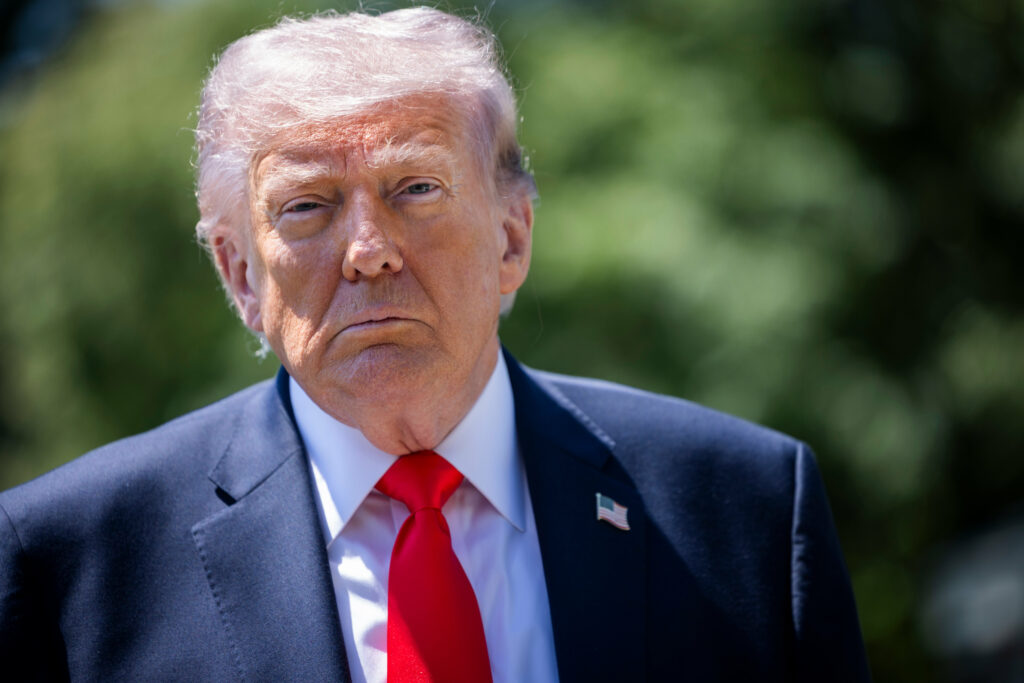
In the complex world of international relations and energy markets, tensions between the United States and Iran have led to a volatile situation that affects not only geopolitical stability but also the financial landscape. As the US government, under President Donald Trump, seeks a resolution to a conflict that has caused significant spikes in oil prices, a new proposal aimed at de-escalating tensions has emerged. This blog post will explore the intricacies of the US-Iran negotiations, their potential impact on energy prices, and what investors should consider in light of these developments.
Recent efforts to reach an agreement between the US and Iran have taken a crucial turn. President Trump is actively searching for a way to exit a conflict that has not only disrupted energy supplies but has also placed his political future in jeopardy ahead of the upcoming midterm elections. The proposed memorandum outlines a gradual reopening of the Strait of Hormuz, a vital maritime route for oil and gas shipments, alongside the lifting of the American blockade on Iranian ports. However, these negotiations are in their infancy, and no agreements have been finalized.
One of the driving forces behind this proposal is the urgent need to stabilize energy prices, which have been on the rise due to the ongoing conflict. Recent reports indicate that gasoline prices in the US have exceeded $4.50 per gallon for the first time since July 2022, a worrying trend for consumers and a potential liability for the incumbent administration. With midterm elections looming, affordability and economic stability are at the forefront of voters’ concerns, placing additional pressure on Trump to find a resolution.
The proposed negotiations come on the heels of a chaotic few days, during which Trump suspended a mission intended to ensure the safe passage of commercial vessels through the Strait of Hormuz. This waterway is critical for global oil transport, and any disruptions can have far-reaching consequences for energy markets. Investors are closely monitoring these developments, as fluctuations in oil prices directly impact stock market performance and overall economic conditions.
As the discussions progress, it is essential to recognize that while there is optimism surrounding the potential for a deal, past negotiations have often fallen short. President Trump has publicly stated that he believes an agreement is within reach, but he has also acknowledged that it may be premature to consider face-to-face talks. The complexities surrounding Iran’s nuclear program and the geopolitical interests of various nations further complicate the situation.
Key points to consider in this evolving narrative include the anticipated response from Iran, which is expected to come through mediation by Pakistan. Iranian state media have suggested that certain aspects of the US proposal may be unrealistic, indicating that significant hurdles remain. Moreover, Trump’s social media remarks suggest that any agreement will hinge on Iran’s compliance with the terms laid out by the US, a scenario that could potentially lead to increased tensions if not handled delicately.
From an investor’s perspective, the fluctuations in oil prices can create both opportunities and risks. On one hand, a successful de-escalation of the conflict could lead to a stabilization of energy costs, which may benefit markets and consumer spending. On the other hand, any signs of failure in negotiations could result in a surge in oil prices, negatively impacting sectors that rely heavily on stable energy costs. Therefore, investors should remain vigilant and adaptable as they navigate this uncertain landscape.
In conclusion, the proposed US-Iran negotiations represent a significant moment in the ongoing energy crisis, with the potential to reshape the geopolitical and economic landscape. As both sides explore avenues to resolve their differences, the implications for energy prices and markets are profound. With the midterm elections approaching and the public’s appetite for stability growing, the urgency for a resolution has never been higher. Investors would be wise to stay informed about these developments, as the outcome of these negotiations could have lasting effects on their portfolios and the broader economy. The world is watching closely as the next moves unfold in this intricate dance of diplomacy and economic strategy.