
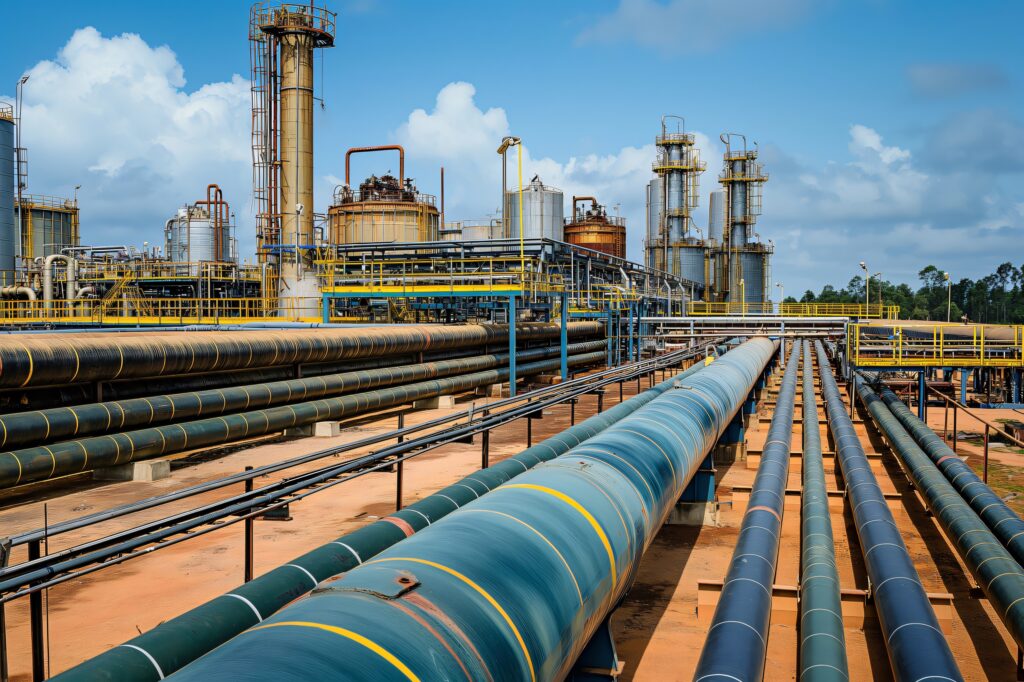
In recent years, the oil and energy sector in Africa has faced significant challenges, from geopolitical tensions to economic disruptions. However, one project stands out as a beacon of hope for energy security on the continent: the Cabinda oil refinery in Angola. This facility is not only a vital step towards meeting the country’s fuel demands but also a crucial milestone in Africa’s quest for greater self-sufficiency in refining capacity. With the refinery now operational, it’s time to explore the implications of this development for Angola and the broader African energy market.
The Cabinda oil refinery represents a significant investment in Angola’s energy infrastructure, with a total cost exceeding $470 million. Located in Cabinda province, an oil-rich exclave of Angola, the refinery has begun shipping fuel products, including diesel for local consumption and heavy fuel oil and naphtha for international markets. This advancement comes at a time when global fuel supply chains are being strained, particularly due to the ongoing conflict in the Middle East, which has led to rising fuel prices across the African continent.
Atanas Bostandjiev, CEO of Gemcorp Capital LLP, the investment firm that holds a 90% stake in the refinery, emphasized that the project was conceived with energy security as its core focus. With the current geopolitical landscape reinforcing the need for self-reliance, the Cabinda refinery’s timing could not be better. “The very core of the investment thesis for this refinery was energy security for Angola,” Bostandjiev stated, validating the strategic foresight behind the project.
The refinery, while initially modest in scale, is poised for significant growth. With an initial capacity of 30,000 barrels per day, plans are already underway to double this to 60,000 barrels per day in a second phase that is expected to require an additional $700 million investment. This expansion will not only help meet local demand—which is projected to grow—but also position Angola as a more formidable player in the global energy market.
To put this development into perspective, Africa currently exports a staggering 75% of its crude oil production while relying heavily on imports for about 70% of its refined fuel. This reliance costs the continent an estimated $50 billion annually in lost value, as highlighted by Farid Ghezali, Secretary General of the African Petroleum Producers’ Organisation. The call for a “giant refinery” concept in Africa has never been more urgent, and projects like the Cabinda refinery are critical steps in that direction.
In addition to the Cabinda refinery, Angola’s state-owned oil company, Sonangol, is also working on two new refineries in Lobito and Soyo. The success of these initiatives will be crucial in diversifying Angola’s energy landscape, especially given the backdrop of operational challenges faced by existing refineries across the continent. Notably, while Nigeria’s Dangote refinery has achieved full capacity, many other facilities have struggled or closed entirely due to various constraints.
Investor insights into the Cabinda refinery project reveal a broader trend in Africa’s energy sector: a shift towards local refining capabilities as a way to enhance energy independence. The potential for job creation, economic development, and improved energy security makes projects like Cabinda not just viable but essential. Moreover, Gemcorp’s consideration of building a petrochemicals plant in conjunction with the refinery indicates a forward-thinking strategy aimed at maximizing the value extracted from Angola’s natural resources.
To summarize, the Cabinda oil refinery stands as a transformative project for Angola and the African continent as a whole. By bolstering domestic fuel supply and reducing reliance on imports, it addresses critical energy security concerns exacerbated by geopolitical tensions. The refinery’s expansion plans signal a commitment to further enhancing Angola’s refining capacity, which is vital for the country’s economic growth and stability.
As Africa grapples with the challenges of energy supply and self-reliance, the success of the Cabinda refinery could serve as a blueprint for similar initiatives across the continent, ultimately leading to a more integrated and resilient energy market. For investors and stakeholders, the message is clear: the future of energy in Africa is not just about extracting resources but also about refining and utilizing them for the continent’s own benefit.