
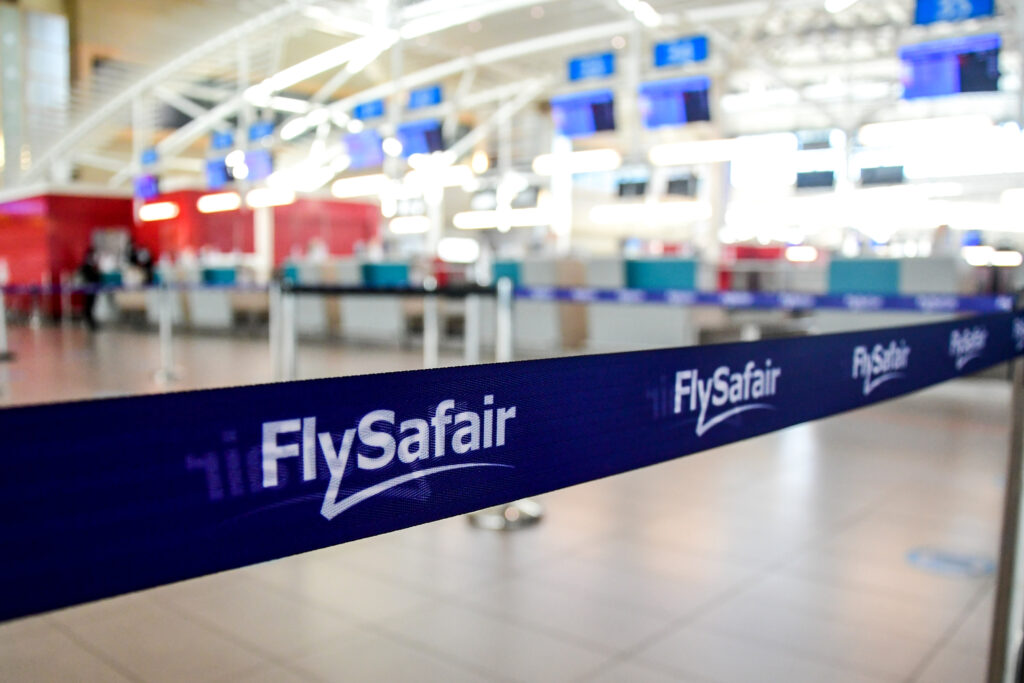
In the ever-evolving landscape of the aviation industry, fluctuating fuel prices can significantly impact both airlines and passengers. Recently, South Africa’s largest airline, FlySafair, made headlines by extending its ticket price surcharge to cushion the effects of soaring fuel costs, a direct consequence of geopolitical unrest in the Middle East. This strategic move has raised questions about the broader implications for travelers and the airline industry as a whole, especially as the conflict shows no signs of abating.
The recent surge in fuel prices has been triggered by escalating tensions in the Middle East, particularly the ongoing conflict involving the United States, Israel, and Iran. This conflict has led to a substantial disruption in oil supply, especially through the pivotal Strait of Hormuz, a vital waterway accounting for approximately 20% of the world’s oil transportation. As tanker traffic has plummeted—reportedly by 70-80%—global oil prices have experienced extreme volatility, with Brent crude climbing to over $115 per barrel before settling between $87 and $100. This unprecedented surge has had a pronounced effect on aviation, with jet fuel prices at South African coastal airports spiking by around 70% within the first week of the crisis.
Fuel costs play a critical role in the financial structure of airlines, often representing 50-55% of an airline’s direct operating costs. For FlySafair, this escalation in fuel prices necessitated the implementation of a surcharge on ticket prices, initially introduced in March, which has now been extended until at least August. The airline’s leadership acknowledges that the duration of this surcharge hinges not only on the resolution of the current conflict but also on the complex dynamics of the global fuel market.
Kirby Gordon, FlySafair’s chief marketing officer, has indicated that the initial assumption of a brief volatility period has proven overly optimistic. The ongoing conflict and the resultant supply pressures have forced the airline to reassess its pricing strategy, leading to the decision to maintain the surcharge for the foreseeable future. Importantly, Gordon notes that the surcharge is not a fixed figure; it undergoes weekly reviews based on prevailing market conditions. There have already been instances where FlySafair has been able to reduce the surcharge slightly when market conditions improved, showcasing the airline’s responsiveness to changing circumstances.
The timing of this surcharge extension also coincides with the traditional summer travel season in the northern hemisphere, during which airlines typically ramp up operations to meet increased demand. This seasonal spike in travel further exacerbates the existing pressures on global jet fuel supply, as airlines scramble to accommodate the influx of travelers. The challenges are compounded by the fact that many airlines, including FlySafair, must navigate both rising operational costs and the competitive landscape of air travel, where price sensitivity among consumers is always a consideration.
For traders and investors, the implications of FlySafair’s surcharge strategy are multifaceted. On one hand, the airline’s proactive measures to manage fuel cost pressures demonstrate a sound approach to maintaining operational viability in a tumultuous market. On the other hand, the ongoing geopolitical instability poses a significant risk to the airline’s financial performance and could lead to further fare increases, which might deter potential travelers.
As the situation continues to unfold, stakeholders in the aviation sector must remain vigilant. Investors should keep an eye on global oil prices and geopolitical developments, as these factors will undoubtedly influence airline profitability and pricing strategies. Moreover, travelers may need to adjust their budgets and travel plans, as the cost of flying could continue to escalate in response to external pressures.
In conclusion, FlySafair’s decision to extend its ticket price surcharge in the face of rising fuel costs illustrates the intricate interplay between global events and the aviation industry. As fuel prices remain a significant concern for airlines, stakeholders must navigate these turbulent waters with strategic foresight and adaptability. Ultimately, the ongoing developments in the Middle East will be pivotal in shaping the future of air travel costs, forcing airlines and passengers alike to adapt to a continuously changing environment. As we look ahead, understanding these dynamics will be crucial for anyone involved in the travel and aviation sectors.