
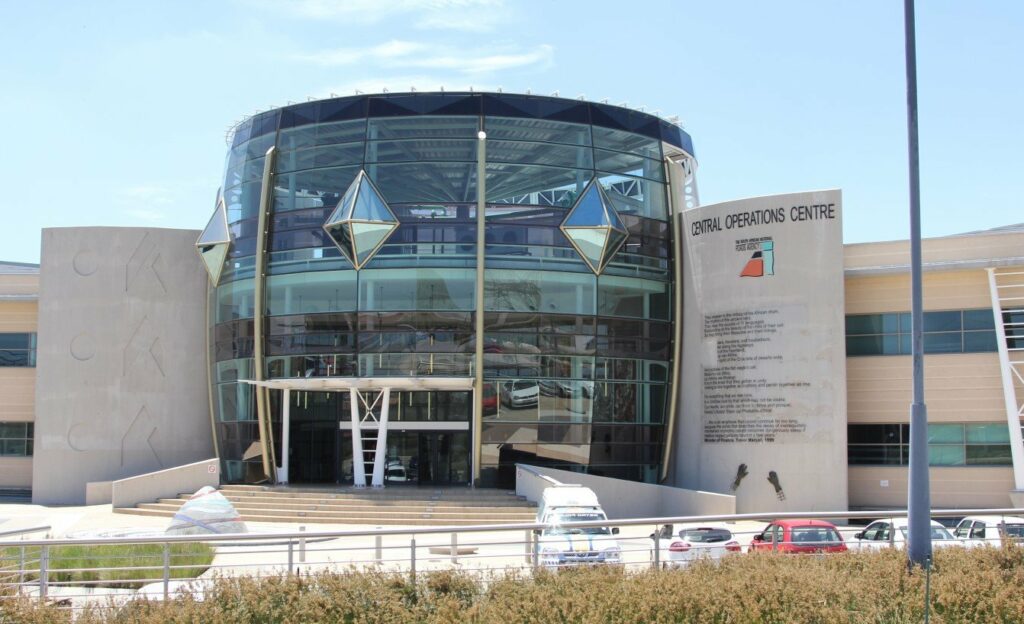
In a move that has sent ripples through South Africa’s infrastructure sector, the South African National Roads Agency (Sanral) has once again placed its chief procurement officer, Khomotso Mhelembe, on precautionary suspension. This decision, which also affects two general managers within the procurement office, raises critical questions about the agency’s governance and its ability to effectively manage the country’s road infrastructure. As the nation grapples with deteriorating road conditions and decreasing tender activity, the implications of these suspensions extend far beyond internal politics, impacting investment sentiments and public trust in state-owned enterprises.
The latest developments at Sanral come amid ongoing concerns about its operational efficiency. Sources have indicated that Mhelembe and her colleagues were suspended as part of an internal review process, although specific details surrounding the reasons for their suspension remain under wraps due to confidentiality policies. This lack of transparency has become a hallmark of Sanral’s recent operations, with the agency often refraining from disclosing internal matters to the public.
Sanral, which is responsible for the management and maintenance of South Africa’s national road network, has faced scrutiny over its performance metrics. Reports suggest that the agency has fallen short of its annual performance targets, particularly concerning the awarding of tenders. In recent years, there has been a notable decline in the number of tenders awarded, which is concerning given the critical state of the country’s roads. Deteriorating infrastructure not only affects daily commuters but also poses risks to economic stability, as it can hinder transportation and logistics for businesses.
Key points to consider regarding Sanral’s current situation include:
1. **Suspension of Key Personnel**: The precautionary suspension of Mhelembe and two general managers signals potential governance issues within the agency. Such disruptions can lead to delays in decision-making and affect the agency’s overall effectiveness.
2. **Underperformance and Budget Cuts**: Sanral has reportedly faced substantial underspending, with R3.36 billion unspent in the 2024/25 financial year alone. This financial shortfall is alarming, especially given the urgent need for road maintenance and infrastructure investment.
3. **Ministerial Oversight**: Transport Minister Barbara Creecy has expressed concerns about Sanral’s ability to meet its performance targets. Her correspondence with Sanral reflects a broader oversight mechanism that aims to ensure accountability within state-owned entities.
4. **Impact on Tender Awards**: The significant drop in tender awards and the increase in cancellations point to deeper issues within Sanral’s procurement processes. This trend could deter private sector investment, as businesses may be hesitant to engage with an agency perceived as unstable or inefficient.
For traders and investors, the evolving situation at Sanral presents both risks and opportunities. On one hand, the uncertainty surrounding the agency’s leadership and operational effectiveness raises red flags about future infrastructure projects and spending. Investors may view this instability as a negative sign, potentially leading to reduced confidence in the South African infrastructure sector.
On the other hand, this situation could also present opportunities for those willing to engage with the agency. Companies specializing in infrastructure development may find avenues to advocate for reforms within Sanral, positioning themselves favorably as potential partners in future projects. Moreover, if Sanral can rectify its governance issues and improve efficiency, it could lead to an influx of tenders, which would be beneficial for companies in the construction and infrastructure sectors.
In conclusion, Sanral’s recent leadership changes underscore the critical challenges facing South Africa’s infrastructure management. As the agency grapples with internal suspensions and external pressures, the implications for public trust and investment are significant. Stakeholders should closely monitor developments at Sanral, as the outcomes of these internal reviews will likely shape the future of infrastructure investment in the country. With a keen eye on governance and operational efficiency, investors and traders can navigate the complexities of the South African infrastructure landscape, positioning themselves for potential growth or risk mitigation in this vital sector.