
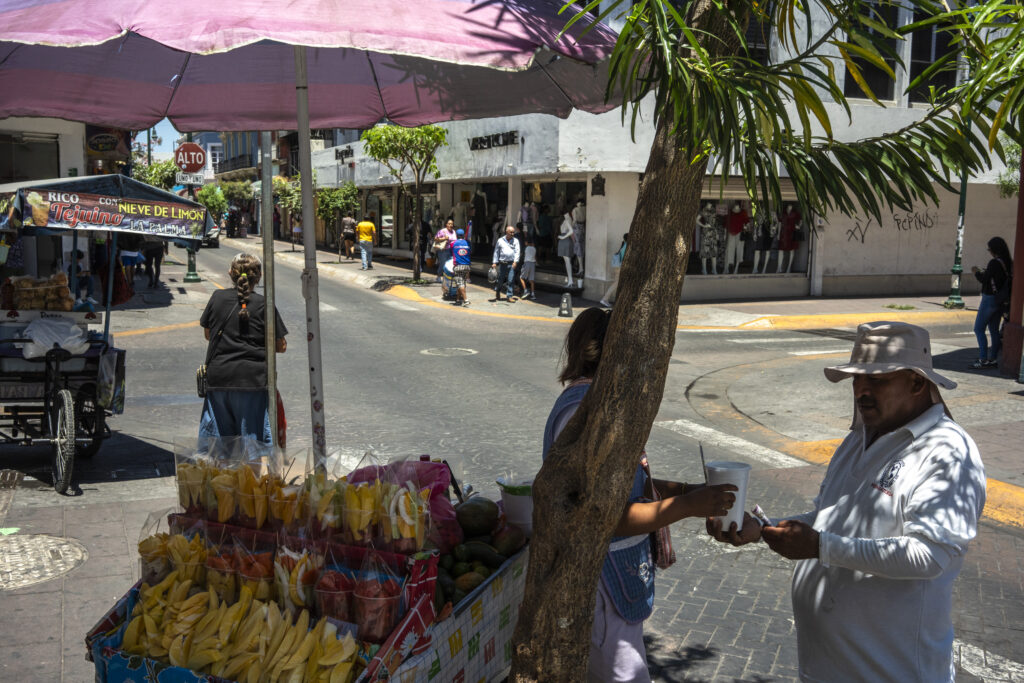
In recent years, the financial landscape in Mexico has undergone significant changes, with a noticeable rise in the availability of fintech solutions and electronic payment options. However, despite these developments, the ingrained preference for cash transactions remains a prominent feature of daily life for many Mexicans. This post will delve into the reasons behind this phenomenon, examining the cultural attitudes towards money, the implications for the fintech industry, and insights for traders and investors navigating this complex market.
The journey of digital payment adoption in Mexico began more than a decade ago when Uber, the ride-hailing giant, launched its services in the country. Surprisingly, the initial challenge was not the acceptance of technology, but rather the payment methods preferred by users. While smartphones were widely accessible, a significant portion of the population was either unbanked or unwilling to use their bank cards for transactions. Recognizing this barrier, Uber quickly adapted by introducing a cash payment option, which, to this day, is utilized by over half of its Mexican riders.
This trend of cash preference is not an isolated case; it reflects a broader cultural phenomenon in Mexico where cash transactions continue to dominate. Government statistics indicate that cash is used for approximately 85% of small purchases in the country. This reliance on physical currency showcases a deep-rooted mindset that favors tangible money over digital alternatives, despite the rapid growth of the fintech sector.
Over the past decade, Mexico has emerged as one of Latin America’s leading markets for financial technology. More than 800 fintech companies are now operating within its borders, a steep increase from fewer than 200 a decade ago. Venture capital has poured into the sector, leading to a double-digit growth rate in electronic payments. However, the reality on the ground tells a different story. A striking statistic reveals that over half of debit cards in circulation remain inactive, and nearly half of credit cards go unused. This highlights a disconnect between the availability of financial products and their actual usage among consumers.
A significant factor contributing to this phenomenon is the push by banks and fintech firms to sell financial products to customers who may not fully understand or require them. This issue has become so prevalent that legislative measures have been introduced to ban fees on unsolicited financial products, indicating a growing recognition of the need to protect consumers from unnecessary financial burdens.
The persistent use of cash can also be attributed to the high levels of tax evasion prevalent in Mexico, particularly in rural areas and smaller cities. Many individuals, like 33-year-old Roberto Negrete, a construction consultant, manage their finances predominantly in cash, a habit often passed down through generations. Negrete prefers to handle his money without the involvement of financial institutions, which he views as cumbersome and confusing. His reluctance to engage with the banking system is a common sentiment among many Mexicans who are cautious about declaring their income and maintaining transparency with financial authorities.
This preference for cash also stems from a historical distrust in institutions, a sentiment rooted in the banking crises of past decades. The large informal economy in Mexico further complicates the situation, as many individuals and businesses operate outside of traditional financial systems. Consequently, while fintech companies and banks are innovating and offering a plethora of services, the cultural inclination toward cash remains a formidable barrier to widespread adoption of digital payments.
For traders and investors looking to capitalize on Mexico’s burgeoning fintech market, understanding the local context is crucial. The cash-centric culture presents unique challenges, but it also offers opportunities for businesses willing to innovate. Companies that can find ways to bridge the gap between traditional cash transactions and modern financial services may thrive. Solutions that respect cultural preferences, such as hybrid payment systems that allow for cash transactions while integrating digital technology, could gain traction.
In conclusion, while Mexico’s fintech landscape is expanding rapidly, the deep-rooted cultural affinity for cash is still a significant hurdle. The interplay between technology and traditional money management behaviors presents both challenges and opportunities. For investors and traders, a nuanced understanding of this dynamic will be essential in navigating the complexities of the Mexican market and harnessing the potential of its evolving financial ecosystem. As the country continues to modernize its financial systems, the journey toward a cashless society may be gradual, but it is one that holds promise for those who can adapt and innovate in response to local needs.