
As urban centers around the globe grapple with traffic congestion, Cape Town’s situation stands out as both a challenge and an opportunity for reform. In recent years, the city has witnessed a notable shift in its traffic patterns, landing it third among the most congested cities in Africa by 2025. This blog post delves into the intricacies of Cape Town’s traffic issues, the role of public transport, and the implications for future urban mobility.
Traffic congestion is not merely an inconvenience; it represents a significant barrier to economic productivity and quality of life. Cape Town’s recent statistics reveal a gradual improvement in congestion rankings, moving from the second-most congested city in Africa in 2023 to its current position. Nevertheless, sitting at 91st out of 492 cities globally, Cape Town’s traffic challenges remain pronounced.
A closer examination of traffic patterns reveals that merely constructing new roads is not a sustainable solution to alleviating congestion. Research consistently shows that the addition of road infrastructure leads to increased car usage rather than a decrease in traffic. This phenomenon, known as induced demand, suggests that expanding roadways can inadvertently encourage more vehicles on the roads, ultimately perpetuating congestion.
In contrast, public transport solutions such as minibus-taxis and buses have proven effective in mitigating traffic issues. By accommodating more passengers than private vehicles, these modes of transport help reduce the number of cars on the road. However, the true key to resolving Cape Town’s traffic crisis lies in revitalizing its passenger rail system.
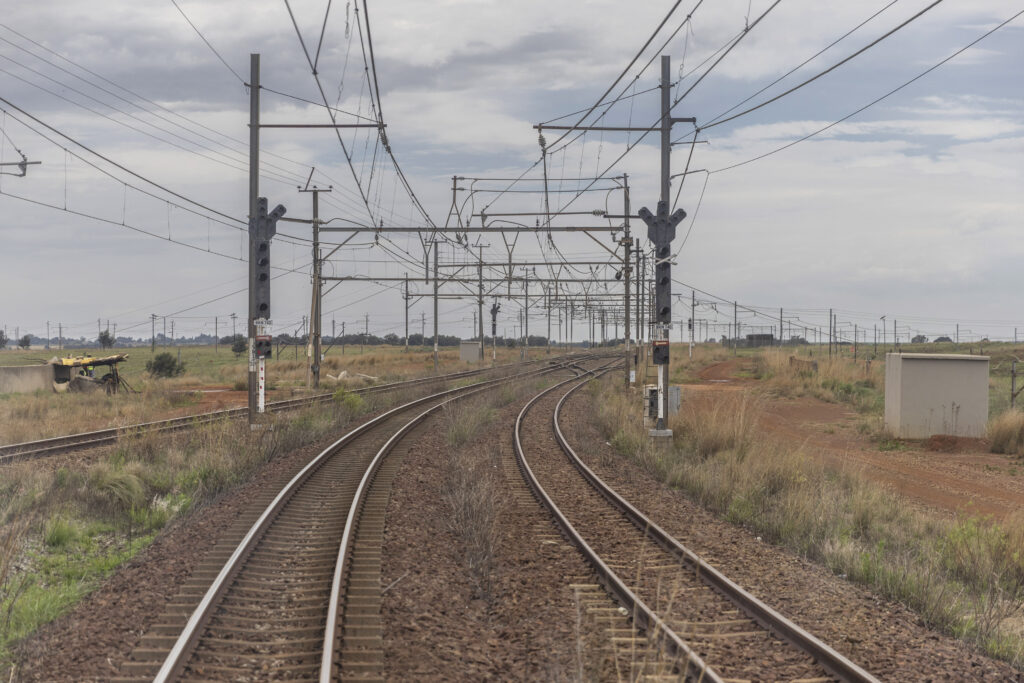
Cape Town boasts an extensive rail network operated by Metrorail, but mismanagement and corruption within the Passenger Rail Agency of South Africa (Prasa) have resulted in a dramatic decline in ridership. In 2003, Metrorail serviced around 600,000 passengers daily—representing over 20% of all commuter trips. Regrettably, by 2022, that number had plummeted to approximately 133,000, equating to just 2% of daily commuters.
The decline in rail usage has coincided with increasing reliance on private vehicles and minibus-taxis, exacerbating traffic congestion. The COVID-19 pandemic further aggravated the situation, leading to a significant drop in passenger rail services. However, recent developments indicate a gradual recovery in rail ridership, with numbers climbing to about 200,000 daily by March 2026—reflecting a proportional decrease in private and minibus-taxi usage.
A consistent pattern has emerged regarding the stability of other public transport options, including buses and the MyCiTi system, which have maintained steady ridership levels. This trend underscores the City’s commitment to transforming rail transport into the backbone of Cape Town’s public transport system. The push for rail devolution to city management has garnered support from the national government, aligning with the draft National Rail Master Plan.
Urban mobility is a multifaceted issue, affected not only by transport infrastructure but also by population growth. Rob Quintas, the City’s urban mobility member, highlighted that the “implosion” of passenger rail combined with rising population density has intensified reliance on road-based transport over the past two decades. This intersection of factors underscores the urgent need for a comprehensive and coordinated approach to urban transport planning in Cape Town.
For traders and investors, the implications of Cape Town’s transport dynamics are profound. With a growing population and a clear push for infrastructural investment in public transport, opportunities may arise in sectors related to urban development, transportation services, and technology solutions aimed at enhancing mobility. Investors should closely monitor the city’s evolving transport policies, as they may present lucrative avenues for growth.
In conclusion, Cape Town’s traffic congestion presents a complex challenge requiring a multifaceted solution. While improvements are underway, the path to a more efficient transport system hinges on the revitalization of passenger rail services. Emphasizing public transport, alongside responsible urban planning, can help alleviate congestion and enhance the city’s overall quality of life. As Cape Town progresses towards a more sustainable transport future, stakeholders from various sectors must engage with and support these initiatives to harness their potential benefits.