
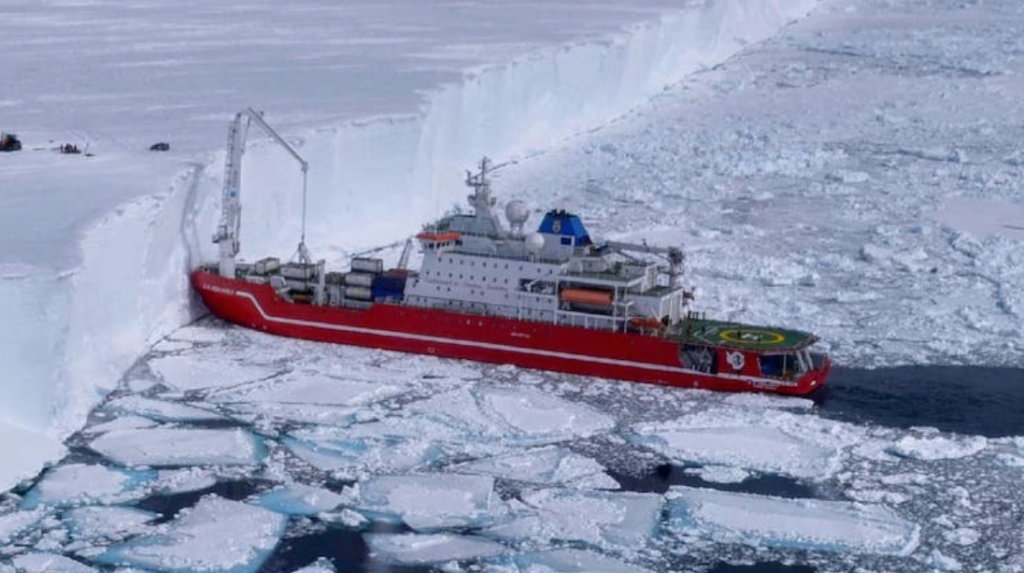
In today’s interconnected world, few events illustrate the ripple effects of geopolitical tensions as clearly as disruptions in global fuel supply chains. The recent delays faced by the South African vessel, SA Agulhas II, en route to the sub-Antarctic island of Marion, serve as a poignant reminder of how conflicts can impact even the most remote scientific endeavors. This blog post delves into the implications of these disruptions on research operations, the broader fuel market, and the lessons investors and traders can glean from such scenarios.
The SA Agulhas II, a specialized polar supply ship, was slated to embark from Cape Town to support researchers stationed on Marion Island. However, its departure was thwarted due to fuel shortages attributed to ongoing conflicts in the Middle East, specifically the war in Iran. The Department of Forestry, Fisheries and the Environment, which oversees the vessel, confirmed that the main challenge was securing polar-grade diesel, a critical fuel type that remains effective in freezing temperatures. The situation highlights how localized scientific missions can be significantly affected by global events that may seem distant and unrelated.
One of the most pressing issues with the fuel supply chain is its vulnerability to geopolitical tensions. The closure of key maritime routes, such as the Strait of Hormuz, has far-reaching implications that can lead to shortages of essential fuel types across the globe. The SA Agulhas II’s predicament underscores how even scientific operations, which are often considered insulated from such disruptions, must adapt to the realities of the international energy market.
Despite the current challenges, the South African authorities have reported that the necessary polar diesel has finally reached the Cape Town refinery, and preparations are underway to test and mix the fuel for distribution to the vessel. This logistical effort is expected to conclude within days, alleviating immediate concerns for the research team stationed on Marion Island. Fortunately, they have enough fuel to sustain their operations for nine more days and provisions sufficient for two months. However, the delays underscore a narrowing window for replenishing essential supplies on the island.
Key takeaways from this situation include the understanding that global energy flows are increasingly susceptible to political unrest and conflict. As the SA Agulhas II demonstrates, even remote research locations are not immune to the consequences of such disruptions. The situation serves as a reminder that researchers and scientists must remain agile and proactive in their logistical planning, often requiring contingency strategies to navigate unpredictable supply chain dynamics.
For traders and investors, this incident reveals critical insights into the broader implications of geopolitical events on market stability. The energy sector is inherently linked to global peace and security, and fluctuations in supply can lead to price volatility. Those involved in commodities trading should closely monitor international developments to anticipate shifts in supply and demand. Furthermore, the need for specialized fuels like polar diesel highlights niche markets that may offer unique investment opportunities in times of crisis.
As we move forward, it is essential to recognize that the world is more interconnected than ever before. Events in one part of the globe can have immediate and significant effects elsewhere, especially in sectors as critical as energy and scientific research. The plight of the SA Agulhas II serves as a case study for understanding the complexities of global supply chains and the far-reaching consequences of geopolitical instability.
In conclusion, the challenges faced by the SA Agulhas II are a stark reminder of how fragile our interconnected systems can be. For scientists, traders, and investors alike, these disruptions prompt a reevaluation of strategies and a heightened awareness of the global landscape. As the situation evolves, remaining informed and adaptable will be paramount for success in both scientific endeavors and financial markets.