
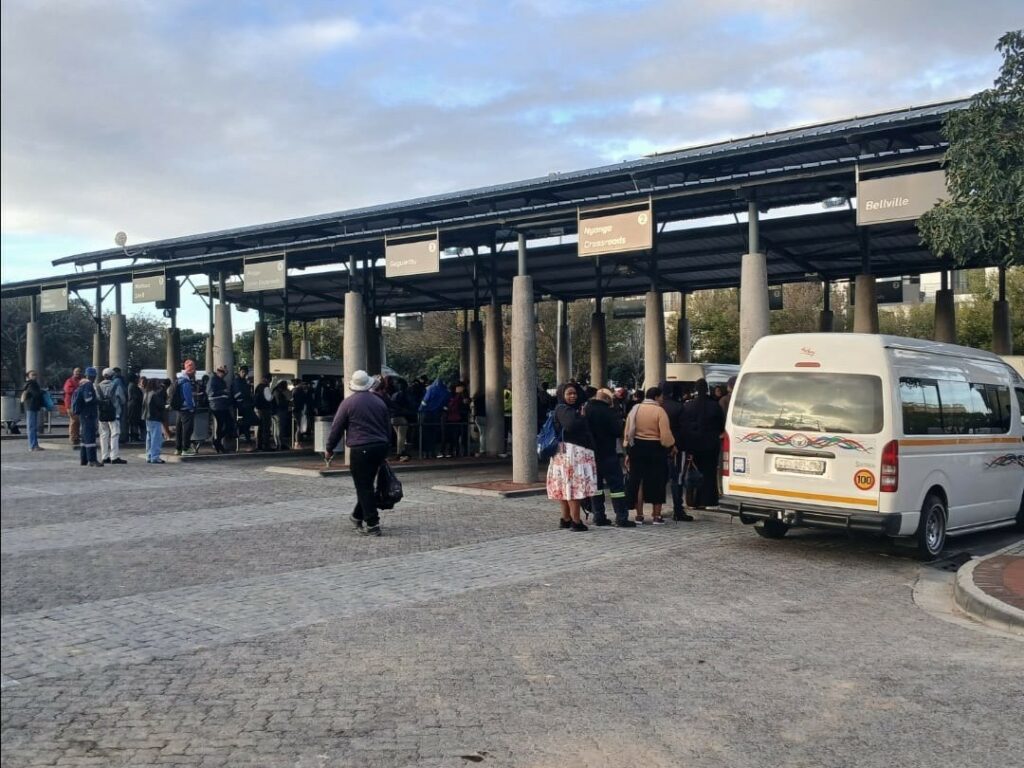
In recent weeks, commuters in Cape Town have faced a harsh reality as rising fuel prices threaten to push transportation costs higher. The latest fuel price hikes, which took effect on May 6, have left taxi operators struggling to maintain their services while grappling with increased operating expenses. As a significant portion of the population relies on minibus taxis for daily commutes, this situation raises pressing questions about affordability and the future of public transportation in the region.
The recent increases in fuel prices have been staggering, with petrol surging by R3.27 per litre and diesel by R5.27 per litre. Given that fuel is a primary expense for taxi operators, these hikes directly impact the fares that commuters pay. Taxi drivers have expressed concerns over how these costs will translate into higher fares for passengers, with no clear timeline for when such increases might occur. A driver in Mowbray, speaking anonymously, noted that while fare hikes are inevitable, they are also dependent on various factors, including competition from other transport services and the pricing strategies of larger operators like Golden Arrow.
Taxi drivers are not only dealing with fuel costs; they must also consider maintenance, insurance, and other operational expenses, leaving them with very little profit at the end of the day. The ongoing pressure on their bottom line is forcing many drivers to rethink their business models and engage in discussions with regulatory bodies.
The South African National Taxi Council (Santaco) has taken the initiative to voice these concerns, reaching out to both the provincial government and Parliament. Santaco emphasizes that this issue transcends mere transport costs; it significantly affects the livelihoods of taxi drivers, vehicle owners, and commuters alike. The organization is advocating for urgent interventions, which include practical relief measures, meaningful engagement with the industry, and long-term solutions that can stabilize the transport sector.
Commuters are feeling the pinch as well. Many have reported tightening their budgets to accommodate rising transport expenses. Mandla Nkomo, a daily commuter between Nyanga and Rondebosch, highlighted the disparity between stagnant salaries and the soaring costs of transportation, stating that he spends around R840 a month just on commuting. This situation has forced many to reassess their financial priorities, with essential expenses like transportation becoming a significant strain on household budgets.
The Western Cape’s Mobility Department is aware of the challenges posed by rising fuel prices and is currently in discussions with Santaco and other stakeholders. However, details of these conversations remain under wraps, with officials acknowledging the added pressure on both taxi operators and commuters. Such discussions are crucial in identifying potential relief measures that can alleviate the burden on the transportation sector and ensure that commuters can afford to travel for work, education, and essential services.
Key takeaways from this situation include the urgent need for government intervention, the importance of community engagement in discussions about transportation costs, and the impact of rising fuel prices on the daily lives of commuters. As the situation evolves, both taxi operators and passengers must stay informed about potential fare increases and any measures that may be introduced to provide relief.
For traders and investors, the ongoing fuel price hikes and their effects on transportation costs serve as a reminder of the interconnectedness of various economic factors. Investors should monitor the transportation sector closely, as shifts in commuter behavior and operational costs may influence the profitability of transport companies. Additionally, the broader economic implications of rising fuel prices on consumer spending and inflation warrant careful consideration.
In conclusion, the rising fuel prices in Cape Town are not just a statistic; they represent a significant challenge for commuters and taxi operators alike. With transport costs on the rise, the need for effective communication between stakeholders and the government is more critical than ever. As discussions continue, both the taxi industry and commuters hope for solutions that can ease the financial burden and ensure that public transportation remains accessible to all. The situation serves as a poignant reminder of the ongoing economic pressures that impact everyday life and the importance of proactive measures in addressing these challenges.