
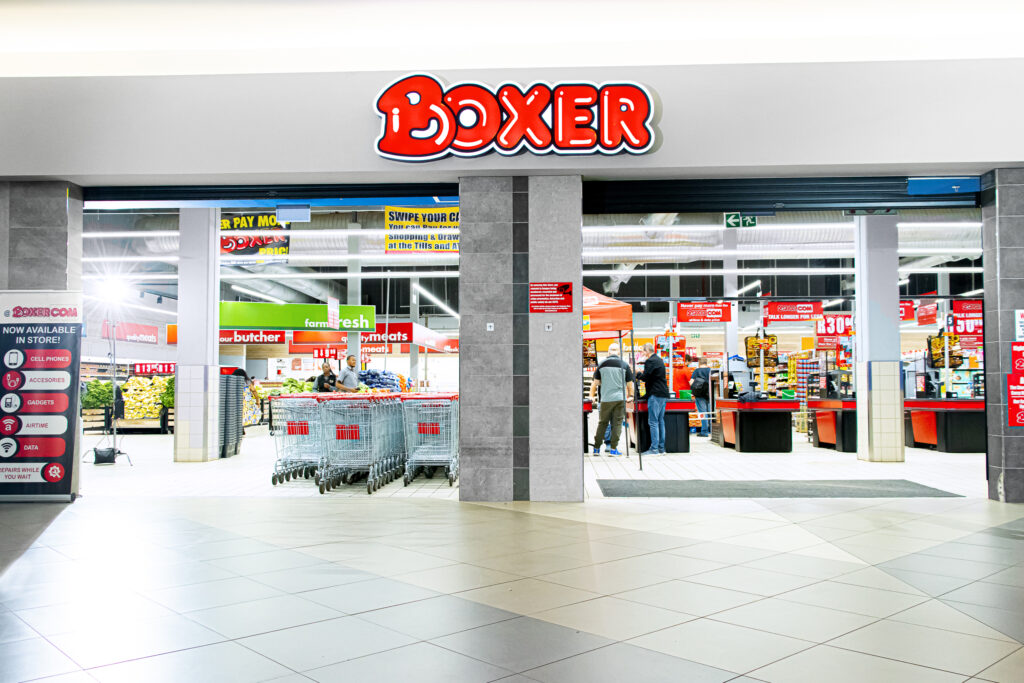
In the ever-evolving landscape of retail, Boxer Retail has emerged as a notable player, particularly following its recent initial public offering (IPO) in November 2024. The company, which is primarily owned by Pick n Pay, has released its financial results for the 52-week period ending March 1, 2026, showcasing impressive growth in trading profit and turnover amidst a challenging macroeconomic backdrop. This blog post delves into the key figures from Boxer Retail’s latest financial report, explores the implications of its IPO, and provides insights for traders and investors looking to navigate this dynamic sector.
Boxer Retail achieved a remarkable 14.3% rise in trading profit, reaching R2.6 billion for the fiscal year. This surge in profitability is particularly noteworthy given the competitive retail environment and broader economic uncertainties. Turnover also saw a healthy increase of 12.3%, climbing to R46.7 billion during the group’s first full year as a publicly listed entity. This performance underscores the effectiveness of Boxer Retail’s strategic initiatives designed to bolster sales and market presence.
One of the significant outcomes of the IPO was the infusion of capital that allowed Boxer to enhance its operational capabilities. Despite the positive trading profit, the company’s headline earnings per share took a hit, declining by 15%. This decrease can primarily be attributed to the increased number of shares issued during the IPO process, a common occurrence for companies transitioning to public ownership. Nonetheless, the trading profit margin improved marginally, expanding to 5.7% from 5.4% on a comparable basis, indicating that the company is effectively managing its costs while driving revenue growth.
In terms of market dynamics, Boxer Retail has successfully gained market share even in a challenging economic climate characterized by inflationary pressures and consumer spending uncertainties. The company opened 51 new stores during the reporting period, expanding its total footprint to 576 locations. The new stores alone contributed 7.8% to the overall turnover growth, excluding like-for-like sales. This expansion not only enhances Boxer’s market presence but also plays a crucial role in job creation, with the company adding approximately 3,400 new jobs, bringing its total workforce to over 35,000 employees.
Another interesting aspect of Boxer Retail’s performance is its management of inflation. The company reported an internal selling price inflation rate of -1.2%, indicating that it has managed to keep prices stable or even reduce them slightly while the broader market experienced food and non-alcoholic beverage inflation of 4.4%. This achievement reflects Boxer’s commitment to providing affordability and value to its customers, a core tenet of its discount retail model.
However, the company faces challenges ahead. Trading expenses rose by 10.9%, driven by the costs associated with the rapid rollout of new stores and the operational expenses tied to being a publicly listed company. As a percentage of turnover, trading expenses increased slightly to 16.8%. Chief Executive Marek Masojada expressed optimism about the company’s performance, highlighting the resilience and strength of Boxer’s discount operating model. He noted initiatives like the “B-Inside” supplier portal and the launch of the “B-Media” division, which aims to enhance supplier and customer engagement while creating a new revenue stream through targeted advertising.
Looking forward, Boxer Retail anticipates a challenging trading environment for the fiscal year 2027, primarily due to rising oil and diesel prices, which could impact food inflation and logistics costs. Despite these challenges, the company remains confident in the sustainability of its discount model and its long-term growth strategy.
For traders and investors, Boxer Retail’s recent performance offers critical insights. The company’s ability to maintain profitability and expand its market presence in a tough economic climate is a testament to its operational efficiency and strategic foresight. Investors should closely monitor the company’s ability to manage costs as it navigates the complexities of being a publicly traded entity while continuing its growth trajectory.
In conclusion, Boxer Retail’s latest financial results highlight a robust performance amidst economic challenges, showcasing the strength of its discount model and strategic growth initiatives. As the company continues to innovate and adapt, it presents both opportunities and challenges for investors and traders keen on capitalizing on the evolving retail landscape. Whether you are considering an investment in Boxer or simply looking to understand the dynamics of the retail sector, these insights serve as a valuable resource in making informed decisions.