
The Foschini Group (TFG) has recently come under scrutiny as its shares plummeted by nearly 14% on a particularly challenging Monday morning. Investors were rattled by a disappointing trading update for the fiscal year ending on March 31, which displayed troubling signs for the retailer. This decline in share price marked a notable moment, pushing TFG’s stock below the R60 threshold for the first time since the lows experienced during the Covid-19 pandemic in 2020. The company’s announcement, made after market close on Friday, revealed a mix of sales growth and significant profit decline, leaving investors with a palpable sense of unease.
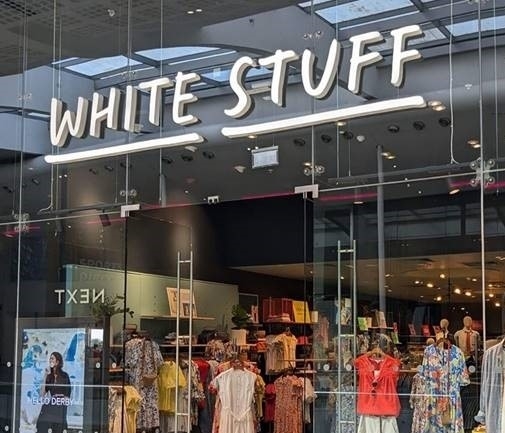
The financial landscape for TFG is complex. On the surface, the company reported a healthy sales growth of 7.1% for the full year, a figure bolstered by its acquisition of the UK-based retailer White Stuff, which contributed R4.5 billion to the group’s overall sales, bringing the total to R62.4 billion. However, when this acquisition is excluded from the equation, the organic sales growth dwindles to a more modest 2.8%. This raises questions about the underlying health of TFG’s core operations, particularly in its African segment, where profitability has been under considerable strain.
TFG’s operations in Africa experienced significant challenges, especially during the critical Black Friday and festive shopping period. According to the company, its earnings before interest and tax (EBIT) in this segment fell at a mid-teens rate year-on-year. The return to normal trading conditions in early 2026 was insufficient to mitigate the impact of these declines. The company cited weaker trading results in its London and Australian sectors during the last quarter as further contributors to the disappointing earnings report. The rising costs associated with interest and IFRS 16 regulations exacerbated the situation, leading to a decline in headline earnings per share (HEPS) that is projected to drop between 30% and 40% from the previous year’s figure of 1,015.6 cents.
A particularly noteworthy aspect of TFG’s annual results is the performance of its London business, which remained flat when excluding the contributions from White Stuff. In Australia, sales contracted by 3.4% in Australian dollars, indicating that the trading environment is proving to be increasingly difficult across all regions where TFG operates. This trend reflects broader challenges in the retail sector, where consumer spending has been uncertain, and competition remains fierce.
The company has also announced plans to impair the brand values of several acquisitions, including the Phase Eight business in the UK and the Tarocash and yd. brands in Australia. The Phase Eight brand, acquired in 2015, has suffered from a long-term decline in department store sales—dropping from 70% of sales at acquisition to just 45% today. This shift necessitates a reassessment of the brand’s value, which will have a negative impact on profitability in the near term. The Tarocash and yd. brands, while still profitable, are also feeling the pressure of the current weak trading conditions, prompting the need for a write-down.
These impairments, which total R750 million (approximately R2.27 per share), are expected to lead to a staggering decline in the group’s earnings per share, projected between 55% and 65%. This alarming forecast has led to a significant drop in TFG’s share price, reflecting investor sentiment and concerns about the company’s future trajectory. Over the past year, TFG’s shares have plummeted by 55%, and they are now 50% lower than their previous highs.
For traders and investors, the recent performance of TFG serves as a cautionary tale about the volatility inherent in the retail sector. It underscores the importance of not just looking at headline sales growth but also understanding the deeper dynamics at play, such as organic growth versus acquisitions, profitability margins, and the impact of broader economic conditions on consumer behavior. The current environment calls for a careful reassessment of investment strategies, especially in sectors vulnerable to shifting consumer trends and economic pressures.
In conclusion, the Foschini Group’s current situation illustrates the complexities of navigating the retail landscape in a post-pandemic world. While the acquisition of White Stuff brought a temporary boost to sales figures, it has become increasingly clear that the challenges facing the company are substantial. Investors would be wise to monitor TFG closely, as further developments in its financial health and operational strategies will be critical in determining its future standing in a highly competitive market. As always, prudent investment decisions should be guided by thorough research and an understanding of the broader economic context.