
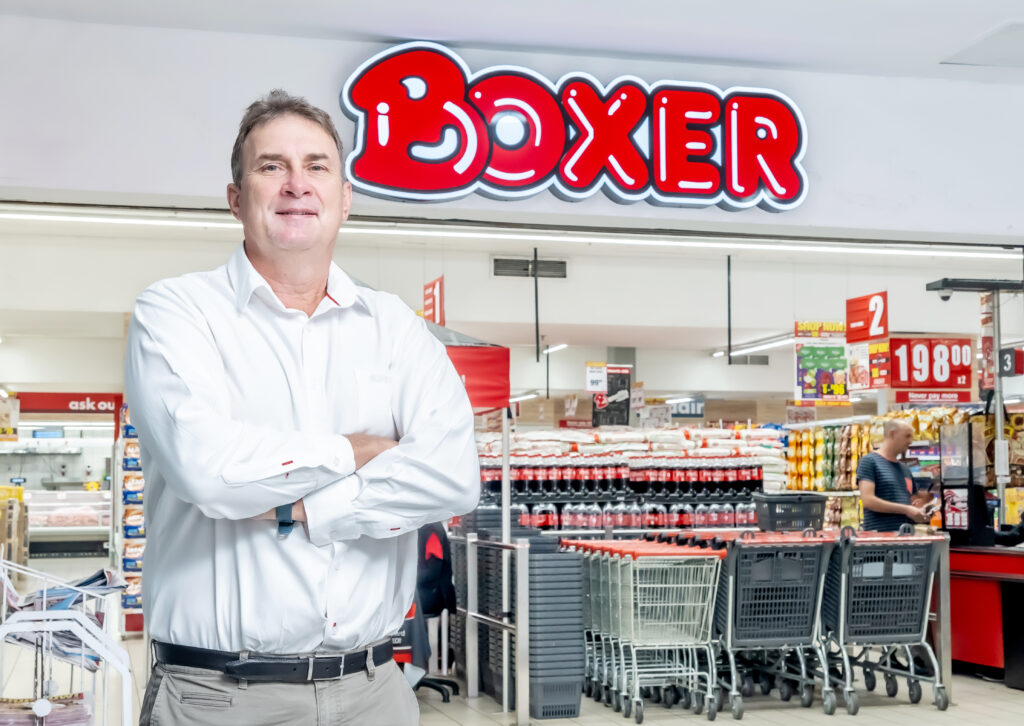
In the ever-evolving landscape of retail, Boxer, a prominent player in the South African grocery market, is bracing itself for a significant shift following a year characterized by deflationary pressures. As the company navigates the complexities of supply chain disruptions and fluctuating commodity prices, its leadership has issued a cautionary note regarding the anticipated rise in selling prices for the remainder of the financial year. This post examines the factors influencing Boxer’s pricing strategy, the implications for consumers and investors, and the broader economic context affecting the retail sector.
The retail sector is often viewed as a barometer for the economy, reflecting consumer behavior and market conditions. For the past year, Boxer has experienced a decline in average selling prices, with a reported drop of 1.2% in the twelve months leading up to March 2026. This trend has been attributed to various factors, including a strong rand and significant deflation in key commodities such as rice and maize. However, as the company looks ahead to FY27, it is expecting a gradual shift back to an inflationary environment.
CEO Marek Masojada has acknowledged the challenges posed by recent turnover trends, noting that they are lower than those experienced in the latter half of the previous financial year. Despite the reported deflation, Statistics South Africa has indicated a food and non-alcoholic beverage inflation rate of 4.4% over the same period, signaling a disconnect between broader economic indicators and Boxer’s specific experience. This disparity raises questions about the sustainability of Boxer’s current pricing strategy and its ability to adapt to changing market conditions.
One of the primary drivers of the anticipated price increases is the looming impact of geopolitical events, particularly the ongoing war that is affecting global supply chains. As the costs of production rise, driven by increases in fuel prices and other input costs, retailers like Boxer are faced with the difficult decision of how to manage pricing without alienating customers. Masojada has indicated that while the company will strive to maintain current prices for as long as possible, a return to inflation is inevitable.
The commodities market has seen a dramatic fluctuation over the past year, with certain categories experiencing significant deflation. For instance, prices for staples such as rice and maize have dropped over 25%, primarily due to oversupply in major producing countries like India and Vietnam. This deflation has made it challenging for Boxer to drive turnover, particularly given that these items constitute a substantial portion of the average customer’s basket. Conversely, other categories, namely red meat and chicken, have seen price surges of around 14% due to factors such as disease outbreaks affecting livestock.
One of the critical factors in this evolving pricing landscape is the rising cost of fuel. As fuel prices increase, so too do the costs associated with transportation, packaging, and distribution. These heightened costs are likely to influence customer shopping behavior, prompting consumers to adjust their purchasing patterns. Masojada notes that customers may begin to increase the size of their shopping baskets and reduce the frequency of their visits to stores as a strategy to mitigate rising transportation costs.
For investors and traders, understanding these dynamics is crucial. The retail sector’s performance is directly tied to consumer spending, which can be influenced by pricing strategies and inflationary pressures. As Boxer prepares for a potential rebound in prices, investors should consider how these changes may impact the company’s profitability and market share. Additionally, keeping an eye on broader economic indicators, such as inflation rates and commodity pricing trends, will be essential for making informed investment decisions.
In conclusion, Boxer’s transition from a deflationary environment to a period of rising prices highlights the complexities of the retail market in the face of external pressures. As the company grapples with the implications of increasing input costs and changing consumer behavior, it will need to navigate these challenges carefully to maintain its competitive edge. For investors, staying attuned to these developments will be key in assessing Boxer’s future performance and the broader health of the retail sector in South Africa. Understanding the interplay between supply chain dynamics, consumer behavior, and pricing strategies will provide valuable insights for anyone looking to engage with this evolving market.