
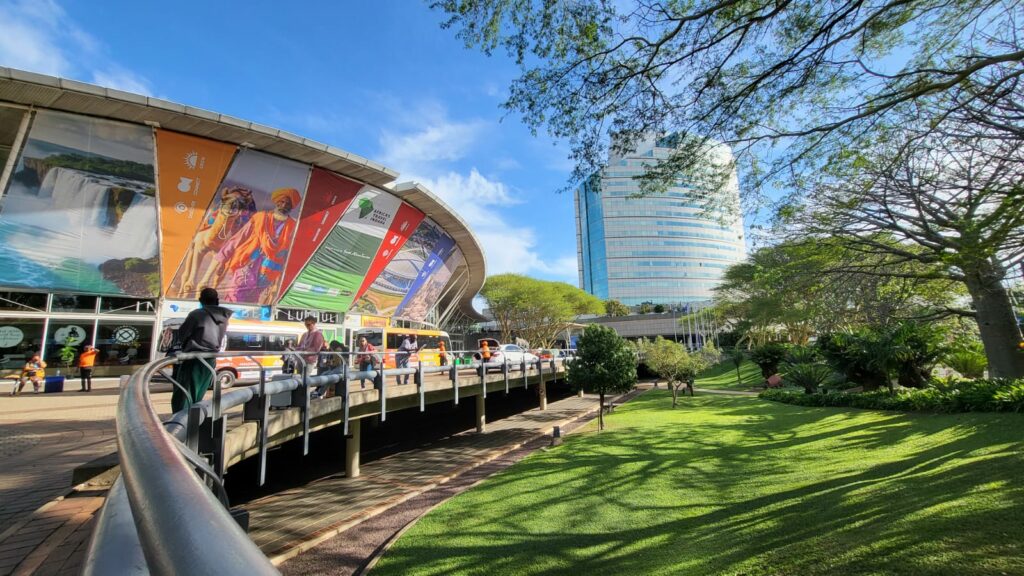
In recent years, the tourism sector in South Africa has started to reclaim its footing, as evidenced by the bustling atmosphere surrounding the annual Africa’s Travel Indaba. This significant event not only highlights the continent’s tourism potential but also serves as a vital platform for discussions about the interplay between tourism and property investment. As the industry continues to evolve, investors are keenly observing how developments in tourism can directly impact real estate opportunities across the country.
Set against the vibrant backdrop of Durban’s International Convention Centre, the Africa’s Travel Indaba, which has been a staple in the tourism calendar for nearly thirty years, is an essential gathering for stakeholders in the tourism and hospitality sectors. This year, the event has generated buzz, particularly with the involvement of South Africa’s Tourism Minister, Patricia de Lille, who is set to open the Indaba alongside President Cyril Ramaphosa. Through her participation, Minister de Lille aims to share valuable insights into the current state of tourism and its future trajectory, particularly with an eye toward the upcoming Indaba 2026.
The relationship between property investment and tourism is a complex yet critical one. As more tourists flock to South Africa, the demand for accommodation and hospitality services rises, leading to an increase in property development projects. Iconic locations such as the V&A Waterfront and Waterfall City in Gauteng exemplify how mixed-use developments can thrive in areas that attract both tourists and locals alike. These precincts not only offer hotels and leisure facilities but also encompass shopping, dining, and entertainment options, making them appealing destinations for a diverse audience.
In South Africa, the property landscape is witnessing an influx of new tourism-related developments. From picturesque coastal towns along the KwaZulu-Natal North Coast to the historical significance of Nelson Mandela Bay, there is a wave of investment opportunities emerging. The Kruger National Park, known for its rich wildlife, and scenic spots like God’s Window in Mpumalanga are also attracting attention from developers eager to tap into the growing tourist market. Furthermore, even regions in the Free State are beginning to see the potential for growth in tourism-driven property investments.
The government is actively participating in this revitalization of the tourism sector. Minister de Lille has emphasized the importance of collaboration with industry organizations such as the Tourism Business Council of South Africa. This partnership aims to foster a robust tourism ecosystem that supports property investment and development, ultimately contributing to job creation and economic growth. By prioritizing the African tourism market, the government is addressing not only the challenges that have arisen from the pandemic but also the ongoing issue of xenophobia, which has the potential to undermine the country’s attractiveness as a travel destination.
For investors, the key takeaway is clear: the tourism sector presents significant opportunities for property investment, especially as the industry rebounds post-pandemic. With several developments underway, those looking to invest should consider the broader implications of tourism trends on real estate values. Areas experiencing growth in tourist arrivals may offer lucrative opportunities for investment in hospitality properties, retail spaces, and mixed-use developments.
Moreover, as the government lays down the groundwork for a more integrated tourism strategy, investors should stay informed about upcoming policies and initiatives that could impact the sector. This includes understanding how increased tourism might drive demand for certain locations and the types of properties that will be in high demand.
In conclusion, the convergence of tourism and property investment in South Africa is a dynamic and promising landscape. With events like the Africa’s Travel Indaba highlighting the potential for growth, stakeholders from both sectors have a unique opportunity to collaborate and shape the future of tourism in the country. For investors, keeping an eye on tourism trends and government initiatives will be crucial in identifying the next big opportunities in real estate. The time to engage with this burgeoning market is now, as the intersection of tourism and property investment holds the key to unlocking South Africa’s potential.