
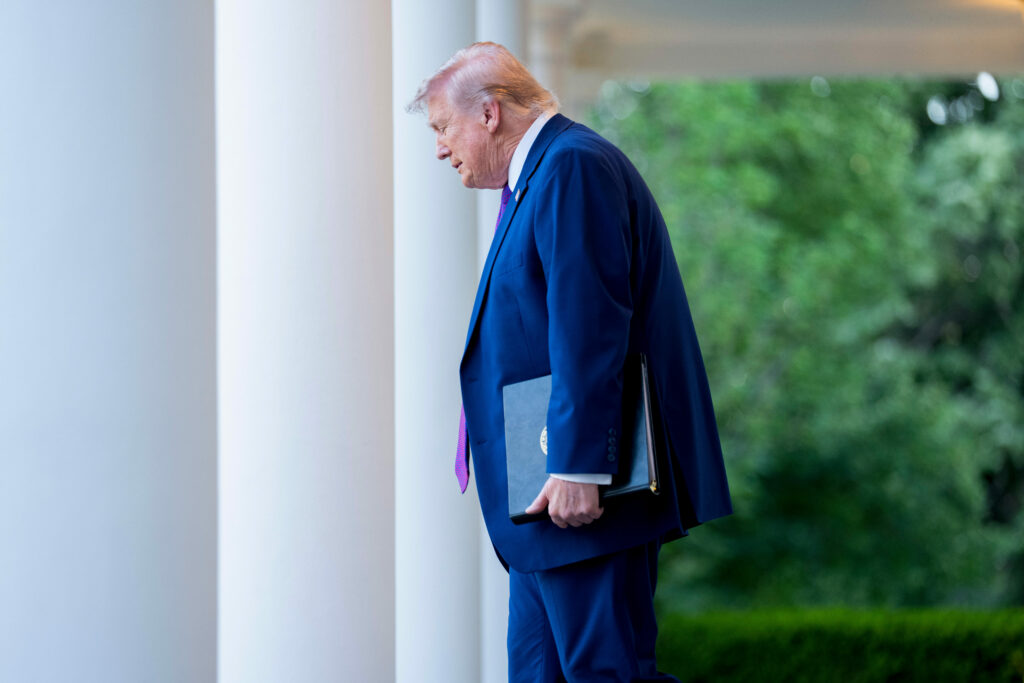
The geopolitical landscape is often fraught with complications, but the ongoing standoff between the United States and Iran has reached a critical juncture that warrants attention, particularly for investors and traders. As President Donald Trump recently described the ceasefire agreement as being on “massive life support,” the implications of this conflict extend far beyond the realm of international relations into the very fabric of global financial markets, particularly the oil sector.
The escalating tension between the US and Iran is marked by a series of diplomatic failures that have resulted in heightened volatility in energy prices and market uncertainty. Trump’s rejection of Iran’s latest peace proposal—deemed a “piece of garbage” by the President—signals a deepening rift that could have dire consequences for economic stability in the region and beyond.
In the latest developments, Iran’s response to the US peace initiative included demands for the lifting of sanctions and the removal of the naval blockade that hampers its oil exports. The Strait of Hormuz, a vital waterway for global oil shipments, remains at the center of this conflict. Iran insists on maintaining some control over traffic through this crucial passage, a position that adds complexity to any potential diplomatic resolution.
Key Points to Consider
1. **Economic Implications**: The ongoing conflict has already triggered a global energy crisis, with oil prices experiencing significant fluctuations. After Trump’s remarks, Brent crude oil prices surged to around $104 per barrel, illustrating the immediate financial consequences of geopolitical confrontations. Investors should remain vigilant as these price movements can heavily influence market sentiment and trading strategies.
2. **Military Action Considerations**: The possibility of renewed military action by the US remains a looming threat. Trump’s administration is reportedly deliberating potential responses, including military escorts for ships navigating through the Strait of Hormuz. Such actions could escalate tensions further and lead to unpredictable outcomes in the markets.
3. **Domestic Political Landscape**: The conflict has not only international repercussions but also domestic political implications for the Trump administration and the Republican Party. With an election year approaching, the administration faces pressure to manage both international relations and the economic fallout from rising energy prices, which could impact voter sentiment.
4. **Global Relationships Strained**: The conflict has strained relations between the US and its allies, including China. As Trump prepares for a meeting with Chinese President Xi Jinping, the economic ramifications of the US-Iran standoff could be a topic of significant discussion, especially regarding trade and energy supply chains.
Investor Insights
For traders and investors, the current climate calls for a strategic approach to navigating these turbulent waters. Here are some insights:
– **Monitor Oil Market Trends**: Given the direct correlation between geopolitical events and oil prices, investors should keep a close eye on news related to the US-Iran conflict. Price volatility creates both risks and opportunities, making it imperative to stay informed.
– **Diversification Strategies**: In light of the uncertainties surrounding energy markets, diversifying investment portfolios can mitigate risks. Consider incorporating assets that may not be as heavily influenced by oil prices, such as technology or healthcare sectors.
– **Stay Agile**: The situation is fluid, and the ability to adapt to new developments can mean the difference between profit and loss. Traders should be prepared to adjust their positions based on breaking news and shifts in market sentiment.
Conclusion
The ongoing conflict between the US and Iran presents a precarious situation for both international relations and global financial markets. As President Trump navigates a complex web of diplomacy, military considerations, and domestic pressures, the potential for market volatility remains high. For investors and traders, understanding the implications of these geopolitical dynamics is crucial for making informed decisions. Staying informed, agile, and strategically diversified can help mitigate risks and uncover opportunities in this ever-evolving landscape. As we continue to monitor these developments, one thing is clear: the impact of the US-Iran standoff will be felt across the globe for the foreseeable future.