
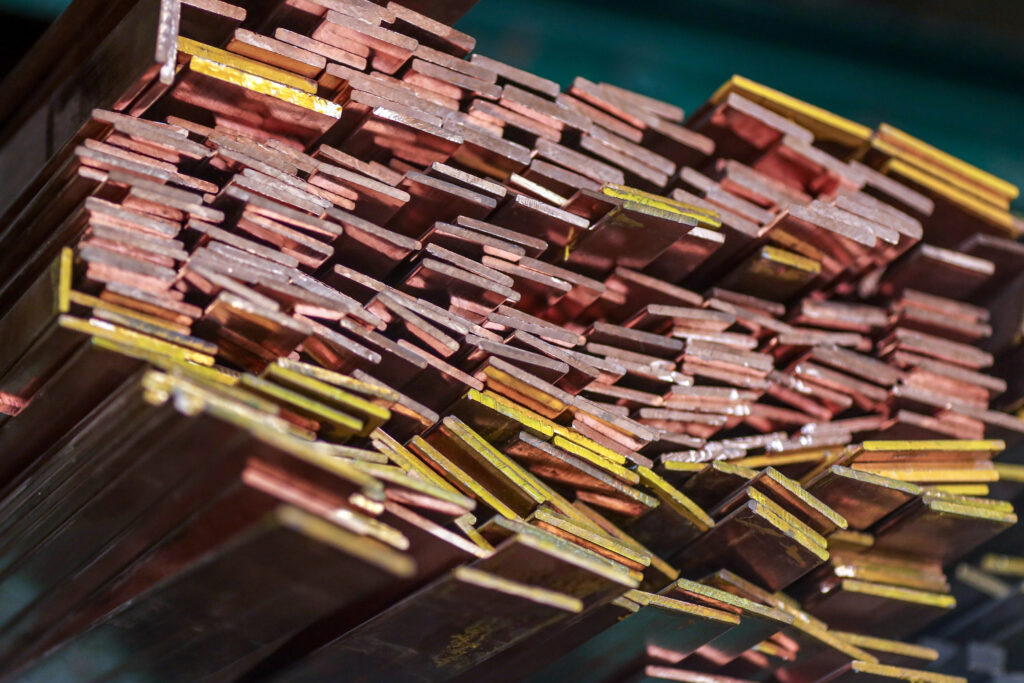
In recent weeks, the copper market has shown remarkable resilience, maintaining its position near historical highs despite escalating geopolitical tensions. With ongoing conflicts in the Middle East and supply chain concerns, investors are closely monitoring the metal’s performance as it navigates these turbulent waters. This blog post delves into the current state of the copper market, the influencing factors behind its stability, and what traders and investors can glean from these developments.
Copper, often seen as a bellwether for economic health, has recently stabilized at approximately $13,938 per ton, just shy of its all-time closing high. This steadiness comes amid heightened uncertainty, particularly following comments from U.S. President Donald Trump, who indicated that the ceasefire with Iran was on precarious ground. As tensions in the region persist, the potential for economic disruption looms large. Nevertheless, copper prices have surged significantly over the past month, indicating strong underlying demand that counters the negative market sentiment stemming from geopolitical events.
The resilience of copper prices can be attributed to various factors, with robust demand from China being the foremost. Analysts from prominent financial institutions, including Citigroup and Jefferies, have pointed out that China’s appetite for copper remains strong, even in the face of rising prices. Sam Crittenden, an analyst at RBC Capital Markets, emphasized that the critical question revolves around China’s willingness to absorb these higher costs, especially as recent data suggests solid fundamental demand for the metal.
In addition to China’s demand dynamics, recent market movements have also been influenced by developments in Peru, a key player in the global copper and silver markets. A sudden influx of speculation regarding fuel availability for mining operations in Peru has sparked interest among traders. The Peruvian government has introduced a $2 billion financial package aimed at bolstering PetroPeru, a state-owned refinery. However, analysts caution that this financial arrangement may not immediately alleviate supply concerns for miners reliant on diesel, as the core issue lies in the miners’ ability to finance their fuel needs, rather than outright supply shortages.
The interplay of these factors highlights the complexities of the copper market. While geopolitical tensions and supply chain issues can introduce volatility, the overall demand from major consumers like China has provided a buffer, allowing copper prices to remain relatively stable. This stability is further underscored by the performance of other metals, such as aluminum and zinc. While aluminum saw a slight decline, zinc reached a three-year high, illustrating the broader positive sentiment within the metals sector.
For traders and investors in the commodities market, there are several key takeaways from the current situation. First, it is essential to keep an eye on geopolitical developments, particularly in the Middle East, as they can significantly impact global supply chains and commodity prices. Additionally, monitoring demand trends from China will be crucial, as shifts in consumption patterns can quickly alter market dynamics.
Moreover, investors should consider the implications of domestic issues in major producing countries like Peru. The ability of miners to secure fuel and manage operational costs will be integral to maintaining production levels, especially as external pressures mount. The ongoing challenges in South Africa’s mining industry, marked by policy uncertainty and operational disruptions, also serve as a reminder of the vulnerabilities present in the global mining landscape.
In conclusion, the copper market’s resilience amid geopolitical uncertainties presents both challenges and opportunities for traders and investors. While the specter of conflict and supply chain constraints looms large, strong demand from key markets like China offers a counterbalance that could support copper prices moving forward. By staying informed about geopolitical developments, monitoring demand trends, and understanding the operational challenges faced by mining companies, investors can better position themselves in this dynamic market. As the situation evolves, the copper market will undoubtedly continue to be a focal point for those looking to navigate the complexities of the commodities landscape.