
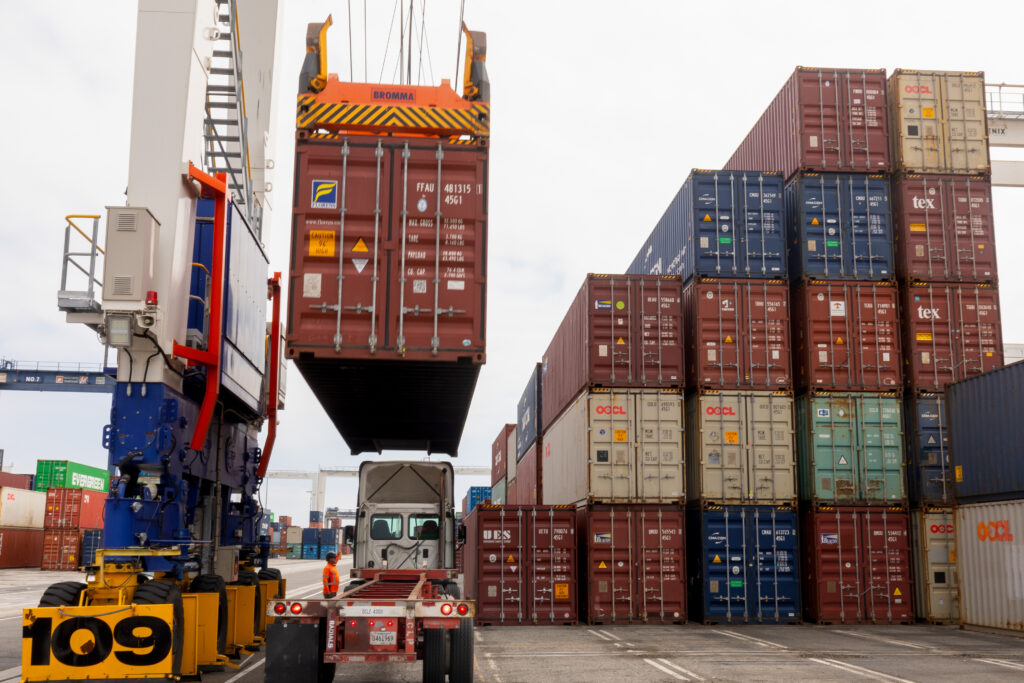
In recent weeks, the U.S. trade landscape has been shaken by a significant ruling from the U.S. Court of International Trade, which declared that the Trump administration’s 10% global tariffs are unlawful. This decision has sent ripples through the import and export community, prompting the administration to appeal the ruling while simultaneously requesting a pause on its enforcement. As the legal battle unfolds, importers are left in a state of uncertainty, grappling with the implications of these tariffs and the possibility of refunds for funds already paid.
At the heart of this issue lies the administration’s reliance on Section 122 of the Trade Act of 1974 to impose these tariffs. The court’s ruling, which was decided in a narrow 2-1 vote, found that the president’s justification for the tariffs was flawed. The judges determined that the administration failed to substantiate claims regarding “balance-of-payments deficits,” a critical criterion for implementing such tariffs. Instead, the court criticized the use of broader terms like “trade and current account deficits,” which it deemed insufficient under the legal framework established by the Trade Act.
The administration’s response was swift. The Justice Department argued that if the ruling were to be enforced, it could unleash a flood of claims from thousands of importers who have been paying the tariffs since they were enacted earlier this year. The government’s concern centers around the potential disruption to what it describes as a “vast effort” to refund previous tariffs that have already been invalidated by the Supreme Court. In essence, the administration believes that allowing this ruling to proceed would severely undermine its trade agenda.
Importantly, the court’s ruling is currently limited in scope, affecting only two companies that challenged the tariffs and the state of Washington. However, the implications of this decision extend far beyond these specific cases, as it sets a precedent for other importers facing similar tariffs under Section 122. The estimated impact is substantial, with over 170,000 importers having already paid deposits on approximately 13 million entries of goods since the tariffs took effect in February. In March alone, U.S. customs authorities collected around $8 billion from these tariffs, illustrating the significant financial burden imposed on importers.
As the legal proceedings continue, the administration is prepared to escalate its appeal to the Supreme Court if necessary. This move comes after the justices struck down Trump’s global tariffs earlier this year, citing a different legislative framework, the International Emergency Economic Powers Act (IEEPA). The uncertainty surrounding these tariffs has left many businesses anxious about their financial futures, especially as they await clarity on the refund process for tariffs that have already been deemed unlawful.
For many importers, the prospect of receiving refunds for previous tariffs is a mixed blessing. While the possibility of reclaiming funds is welcome, it does not alleviate the immediate financial strain caused by the tariffs. Sara Albrecht, CEO of the Liberty Justice Center—an organization involved in the litigation—highlighted that refunds alone cannot fully restore the losses incurred by companies affected by the tariffs. The need for stability and predictability in trade policies has never been more pressing for American businesses grappling with the repercussions of these ongoing legal battles.
In terms of key takeaways, there are several crucial points to consider. First, the ruling against the 10% tariffs underscores the importance of adhering to legal frameworks when implementing trade policies. Second, this situation exemplifies the potential consequences of using broad and ambiguous language in justifying tariffs. Lastly, the ongoing uncertainty surrounding trade policies emphasizes the need for businesses to remain vigilant and adaptable in the face of changing regulations.
For traders and investors, this scenario serves as a reminder of the volatile nature of trade policies and their implications for market dynamics. As legal battles unfold, those involved in international trade must consider how these tariffs—and the potential for refunds—may impact their operations and financial planning. Staying informed and agile will be crucial for navigating this complex landscape.
In conclusion, the legal challenges surrounding the Trump administration’s tariffs represent a significant moment in the ongoing discourse about U.S. trade policy. With the potential for widespread implications for importers and a looming appeal process, businesses must brace themselves for a prolonged period of uncertainty. As the situation continues to develop, the outcome will not only affect those directly involved but will also shape the broader landscape of international trade in the United States.