
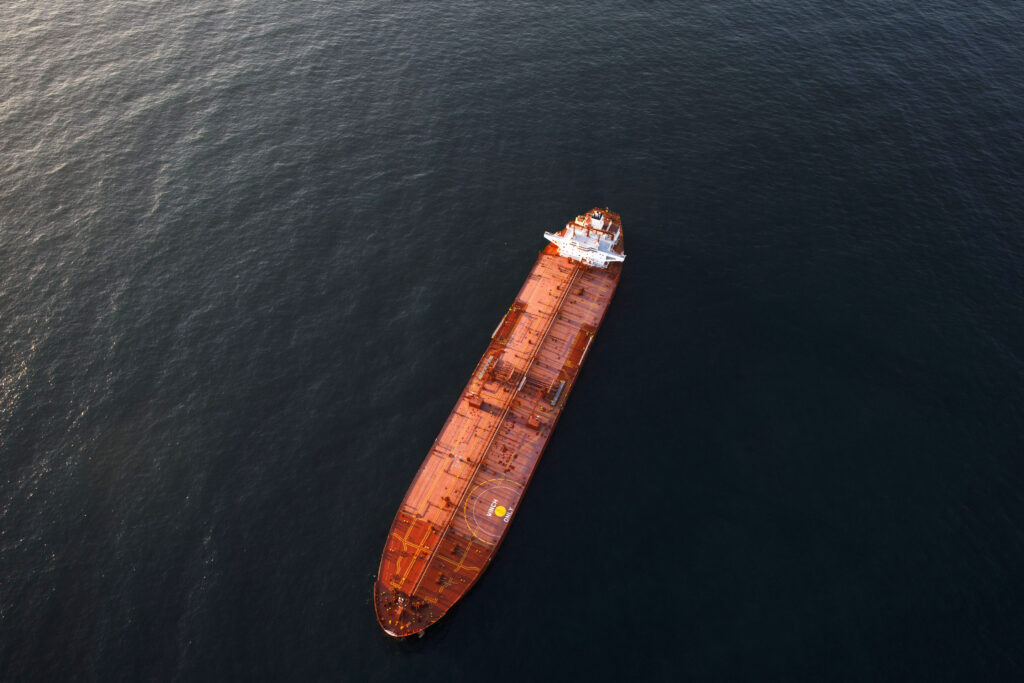
In an era where global trade is intricately tied to geopolitical tensions, the maritime movements of oil tankers have become a focal point for analysts and investors alike. Recently, an oil supertanker, the Agios Fanourios I, made headlines as it navigated the complex waters of the Persian Gulf before making an unexpected turn back into the Gulf of Oman. This incident not only highlights the volatility of oil transportation but also sheds light on the broader implications of geopolitical tensions in this vital region.
The Agios Fanourios I, a very large crude carrier, embarked on its journey with the intent of transporting Iraqi crude oil to the Nghi Son refinery in Vietnam. Having loaded its cargo from the Basra Oil Terminal in Iraq, the tanker initially appeared to be on a straightforward route. However, its trajectory took a surprising turn as it approached a point near the U.S. naval blockade line, which is primarily focused on Iranian shipping. This blockade has been a significant factor in the region’s shipping dynamics, affecting routes and the choices of shipping companies.
As the vessel crossed the Strait of Hormuz into the Gulf of Oman over the weekend, it was initially sailing at a brisk pace of approximately 13 knots. However, upon nearing the U.S. blockade, the Agios Fanourios I slowed down significantly to around 5 knots and ultimately made a U-turn back into the Gulf of Oman. This maneuver raises questions about the vessel’s navigation decisions and the underlying factors that prompted such a retreat.
Key takeaways from this situation involve not only the immediate implications for the Agios Fanourios I but also the broader context of oil transportation in the region. First, the incident underscores the complexities involved in navigating the geopolitical landscape of the Persian Gulf. The U.S. naval presence in the area serves as a deterrent against potential threats, particularly from Iran, but it also complicates the logistics and routes for vessels carrying oil from neighboring countries like Iraq.
Second, the tanker’s change in course hints at the possible risks and uncertainties that shipping companies face. With the U.S. maintaining a naval blockade, vessels must be acutely aware of their surroundings and the political climate, which can change rapidly. This incident serves as a reminder that while oil demand continues to be robust, the transportation of crude oil is fraught with challenges that can affect supply chains and pricing.
From an investor’s perspective, the implications of such maritime movements are significant. The volatility in oil prices can be exacerbated by geopolitical events, and understanding the dynamics of tanker movements can provide valuable insights. Investors should keep an eye on shipping data and regional developments, as they can signal shifts in oil supply and influence market sentiment. The actions of a single tanker can reverberate through the oil markets, leading to price fluctuations that can create opportunities for informed traders.
Moreover, the shipping industry is witnessing a period of rapid transformation. As companies seek to enhance efficiency, the consolidation of shipping operations is becoming more prevalent. This situation may lead to a reevaluation of shipping routes and partnerships, particularly in regions that are politically sensitive. For investors, recognizing these trends is crucial in making informed decisions regarding shipping stocks and oil investments.
In conclusion, the journey of the Agios Fanourios I serves as a microcosm of the broader challenges and complexities that define the oil transportation sector today. As geopolitical tensions continue to influence shipping routes and the stability of oil supplies, investors must remain vigilant and informed. Understanding the intricate relationship between maritime movements and geopolitical factors will be essential for navigating the ever-changing landscape of global oil markets. The Agios Fanourios I’s recent journey may have come to an unexpected halt, but it serves as a stark reminder of the unpredictable nature of oil transportation in a world where political and economic interests are deeply intertwined.