
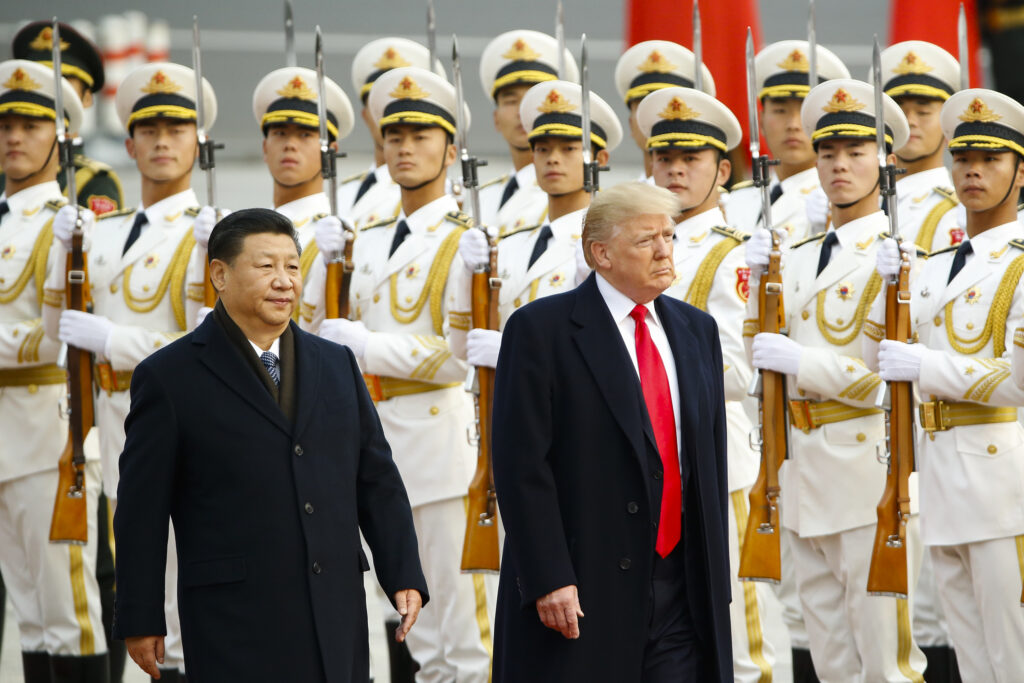
In a significant moment for international relations, U.S. President Donald Trump and Chinese President Xi Jinping are set to meet in Beijing for a crucial summit that promises to shape the future of trade and geopolitical stability between the two largest economies in the world. This meeting marks the first time in nearly a decade that a sitting U.S. president has visited China, and it comes at a time when tensions are mounting over various issues, including trade policies, the ongoing conflict in Iran, and regional security matters such as the situation in Taiwan.
As both leaders prepare to engage in discussions, the agenda will be heavily influenced by the current state of U.S.-China relations, which have been strained as a result of trade disputes, tariffs, and differing stances on international conflicts. Understanding the implications of this summit is essential for traders, investors, and anyone interested in the global economic landscape.
At the heart of the discussions will be trade, a cornerstone of U.S.-China relations that has seen its fair share of turbulence. The trade war initiated by the Trump administration has led to tariffs on hundreds of billions of dollars of goods, impacting not only the economies of both nations but also creating ripples across global markets. Trump is expected to confront Xi regarding China’s trade practices and its role in the Iranian economy, particularly concerning oil exports. As the U.S. continues to impose sanctions on Iranian oil, Chinese imports of this resource have led to tensions, as Beijing attempts to balance its energy needs with its complex relationship with Washington.
Moreover, the summit will also touch upon the sensitive issue of arms sales to Taiwan. Since 1979, U.S. legislation has mandated support for Taiwan’s defense capabilities, which has historically included arms sales. Xi has previously expressed concerns over these sales, and any off-script comments from Trump during their discussions could exacerbate already strained relations. Observers of the summit will be keenly aware of how this dialogue unfolds, as it could influence regional security dynamics in East Asia and affect investor confidence in the area.
Another significant topic on the agenda is the case of Hong Kong businessman Jimmy Lai, whose imprisonment under Beijing’s National Security Law has drawn international ire. Trump’s intention to bring up Lai’s situation is indicative of the broader human rights concerns that often complicate U.S.-China relations. The impact of these discussions on the global perception of both leaders and their respective nations will undoubtedly be significant, as public opinion plays a critical role in international diplomacy.
As these high-stakes discussions unfold, it is important to consider the broader implications for global markets. The ongoing conflict in Iran, particularly concerning the Strait of Hormuz, poses a risk to global oil supplies, creating an energy crisis that could have widespread repercussions. China, as a major importer of crude oil, will be particularly affected by any disruptions, and how it navigates its relationship with Iran will be closely watched by investors and traders alike.
Key takeaways from this summit include the potential for shifts in trade policies, the impact of U.S. arms sales on regional security in East Asia, and the broader geopolitical ramifications of U.S.-China relations. Investors should remain vigilant, as any announcements or agreements made during the summit could lead to market fluctuations and changes in trading strategies.
For traders and investors, the summit represents not only a moment of potential policy change but also an opportunity to gauge the future direction of U.S.-China relations. Those with interests in sectors such as energy, defense, and technology should pay close attention to the outcomes of these discussions and consider how the geopolitical landscape might affect their investments.
In conclusion, the upcoming Trump-Xi summit is a pivotal event that could reshape the dynamics of U.S.-China relations and influence global markets. As both leaders navigate complex issues ranging from trade to regional security, the implications of their discussions will resonate far beyond the borders of their respective nations. Investors and traders must remain informed and agile, ready to adapt to the outcomes of this high-stakes meeting that holds the potential for significant economic and geopolitical shifts.