
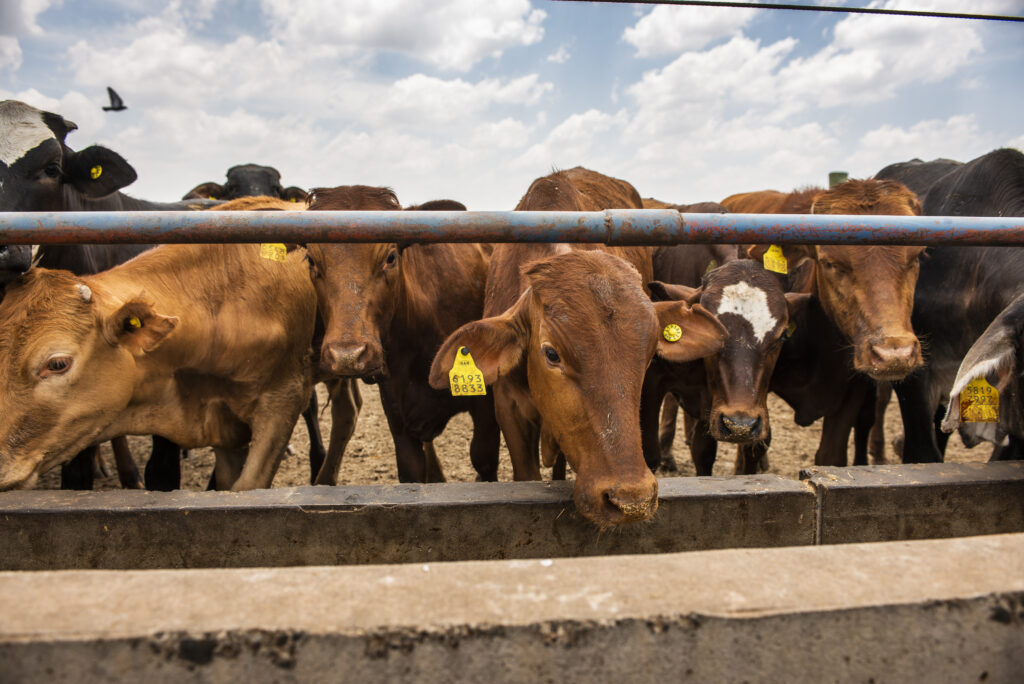
In recent times, South Africa has been grappling with the severe implications of foot-and-mouth disease (FMD), a highly contagious viral infection that poses a significant threat to livestock and, consequently, the country’s food security. As stakeholders from the private sector weigh in on the government’s current vaccination strategy, concerns are mounting over its viability and effectiveness. Experts assert that the existing plan, which aims to vaccinate 80% of the national cattle herd by December, may not only be inadequate but could also lead to disastrous consequences if not addressed promptly.
The issue at hand is not only about the health of cattle but also about the broader implications for food security in South Africa. The proposed vaccination plan has been criticized for its slow pace and lack of urgency. Foot-and-mouth disease can spread rapidly among livestock, and the failure to establish herd immunity could lead to a catastrophic outbreak, affecting not just the agricultural sector but also the economy at large.
The FMD Response South Africa has been vocal in its criticism of the government’s strategy. They argue that the current timeline is not only unrealistic but mathematically flawed. With an estimated 14 million cattle in South Africa, the organization has put forth a more aggressive proposal: a nationwide vaccination campaign that would aim to immunize the entire cattle population within a six to eight-week timeframe. This approach, they argue, is the only viable solution to effectively combat the disease and ensure the nation’s food security.
At the heart of the criticism lies the timing of the vaccination campaign. The current government plan, which aims to vaccinate 80% of cattle over a 12-month period, is seen as a significant risk. Vaccines typically provide immunity for approximately six months. As such, by the time the government reaches its vaccination target, those animals vaccinated at the beginning of the campaign will already be losing their immunity. The stark reality is that at any point in time, the maximum achievable immunity in the herd could dwindle to around 35%, far below the 80% threshold recommended by the World Organisation for Animal Health. This mathematical gap presents a critical challenge that could undermine the entire vaccination effort.
Addressing these concerns, Andrew Morphew from FMD Response South Africa notes that the current strategy is not just a matter of logistics but also hinges on effective execution. Factors such as cold chain distribution, the application of vaccines, and the wildlife-cattle interface are crucial elements that need to be managed effectively. However, he emphasizes that the most significant issue is the timing of vaccinations, which must be accelerated to ensure herd immunity is achieved before the protection offered by the vaccine wanes.
The proposal to vaccinate 14 million cattle in a compressed timeframe may seem daunting, but Morphew insists it is achievable. He references examples from other countries, such as Brazil and Argentina, which have successfully implemented similar large-scale vaccination campaigns. These nations have demonstrated that with adequate planning and resources, rapid vaccination of a large livestock population is indeed possible.
Key takeaways from this discussion highlight the urgency for a reassessment of the current vaccination strategy. South Africa’s food security is intricately linked to the health of its livestock, and a failure to act decisively could have far-reaching consequences. The need for a swift, comprehensive vaccination campaign is paramount to prevent a potential outbreak of foot-and-mouth disease.
For traders and investors, the implications of this situation are profound. The agricultural sector’s stability is crucial for various stakeholders, including those involved in livestock production, distribution, and retail. A successful vaccination campaign could safeguard the livestock market and contribute to economic stability. Conversely, a failure to address the FMD threat could lead to significant financial losses, market instability, and increased food prices, impacting consumers and businesses alike.
In conclusion, the fight against foot-and-mouth disease in South Africa requires immediate and decisive action. The current vaccination strategy is fraught with challenges and may not deliver the necessary herd immunity in time. A rapid, nationwide vaccination campaign is essential to mitigate the risks posed by FMD and to ensure the integrity of the agricultural sector. As stakeholders continue to navigate this complex issue, it is imperative to prioritize the health of livestock and the overall food security of the nation. The consequences of inaction could be dire, making it essential for all parties to collaborate effectively in addressing this urgent challenge.