
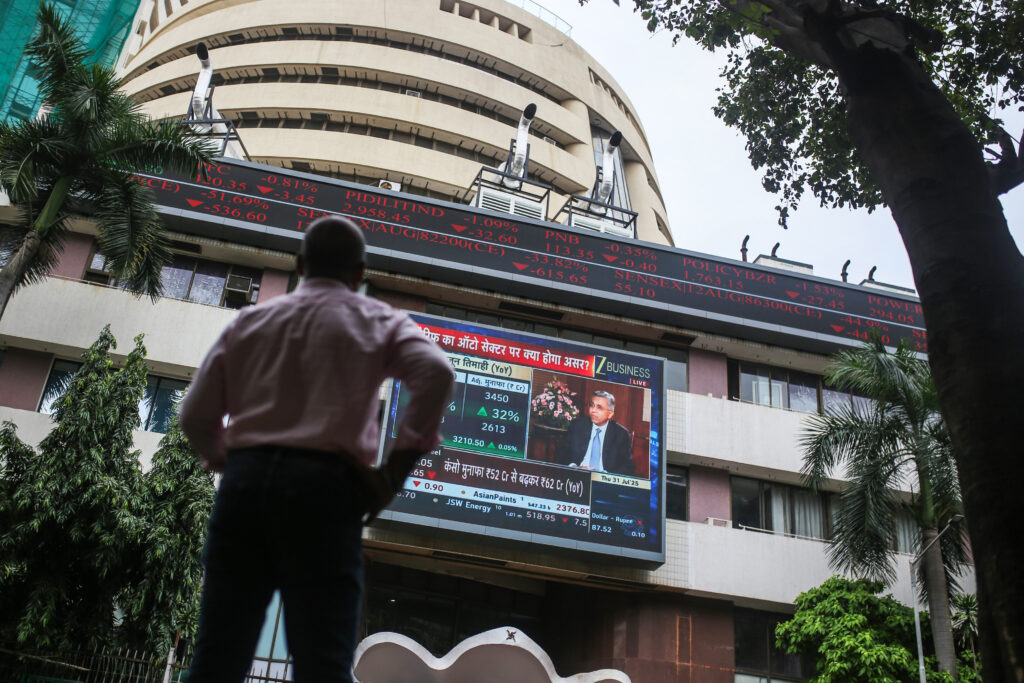
In a rapidly changing financial environment, staying informed about market trends and economic developments is more crucial than ever. As we approach the end of another trading day, investors and traders are left to sift through a myriad of information that can significantly impact their portfolios. This blog post will delve into the recent market movements, highlight noteworthy company performances, and provide insights into various sectors, including real estate and automotive manufacturing, while considering external factors such as weather and global tensions.
The financial markets are often seen as a barometer for the overall health of the economy. Investors frequently rely on closing bell reports to gauge the day’s performance and to formulate strategies for the future. Today, we are witnessing fluctuations in market indices that reflect the ongoing adjustments to economic indicators, corporate earnings, and geopolitical events.
One of the standout performances in today’s trading session came from Redefine Properties, which reported robust interim results. These results signal not only the resilience of the real estate sector but also the broader economic recovery in certain markets. Redefine’s success can be attributed to strategic management and a focus on enhancing tenant experiences, which have led to increased occupancy rates and improved rental yields.
The real estate market, particularly in regions like KwaZulu-Natal, is seeing a burgeoning demand for residential lifestyle properties. This trend is driven by a shift in consumer preferences towards more spacious living environments that offer a blend of work and leisure. Developers, such as Isphetho Developments, are capitalizing on this demand by creating communities that cater to these needs, thereby contributing to the overall growth of the sector.
Meanwhile, the automotive industry is undergoing significant transformations, primarily influenced by global tensions and supply chain disruptions. A recent study has shown how car manufacturers are adapting to these challenges, particularly in the face of geopolitical uncertainties. Companies are increasingly diversifying their supply chains and investing in technology to enhance production efficiency. This strategic pivot is essential for maintaining competitiveness in a market that is sensitive to international relations and trade policies.
In addition to these developments, we cannot overlook the impact of environmental factors on production. Recent adverse weather conditions have been reported by the Red Meat Producers’ Organisation, which has raised concerns about its effects on livestock and agricultural output. Such incidents highlight the interconnectedness of various industries and the importance of risk management strategies to mitigate potential losses due to unforeseen circumstances.
Key takeaways from today’s discussions include the resilience of certain sectors amidst economic fluctuations, the strategic shifts being adopted by companies in response to global challenges, and the ongoing evolution of consumer preferences in real estate.
For traders and investors, these insights underscore the need to remain vigilant and adaptable. The ability to interpret market signals and understand the broader economic context can significantly enhance decision-making. Investors should consider diversifying their portfolios to include sectors that show promise, such as real estate and technology-driven industries, while also being mindful of external factors that could pose risks.
As we wrap up this analysis, it is clear that the financial landscape is continuously evolving. Staying abreast of market movements, corporate earnings, and external influences is vital for making informed investment decisions. By understanding these dynamics, investors can better navigate the complexities of the market and position themselves for success in the future.
In conclusion, the current economic climate presents both opportunities and challenges. The resilience shown by certain sectors, coupled with the adaptability of companies, suggests a positive outlook for those willing to engage with the market thoughtfully. As we move forward, continuous learning and strategic planning will be essential in harnessing the potential of the ever-changing financial landscape.