
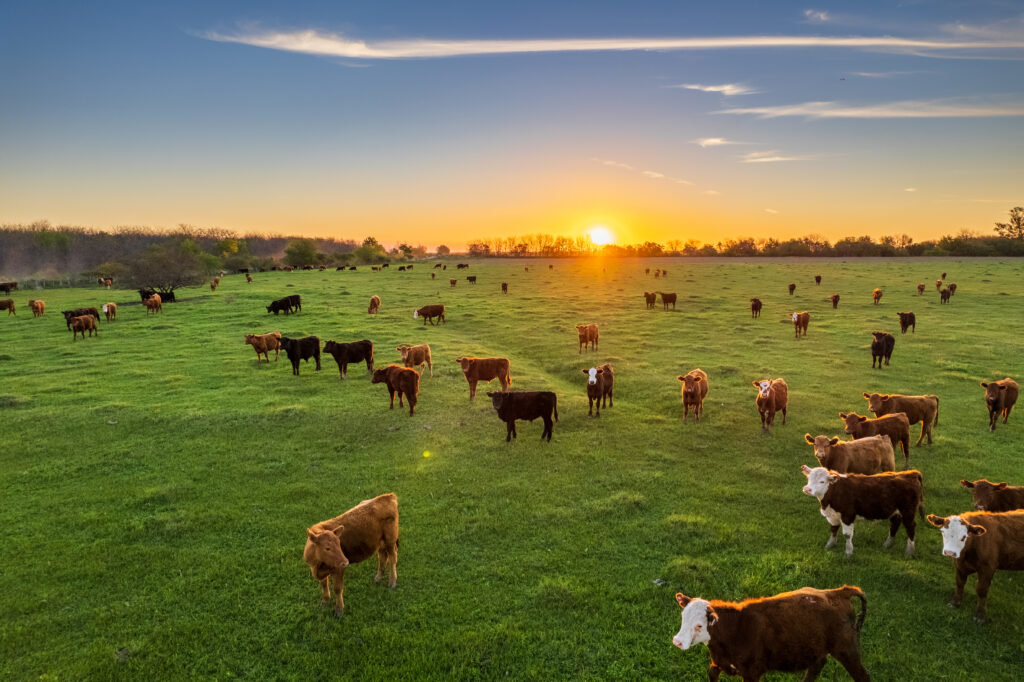
In recent months, the livestock sector has faced a myriad of challenges, prompting discussions among industry experts and stakeholders about the future of meat production and its implications for both producers and consumers. With the voices of professionals like Yolandé Botha from the Red Meat Producers’ Organisation ringing in our ears, it is crucial to explore the current landscape of the livestock industry, its immediate concerns, and what it means for investors and consumers alike.
The livestock industry is a cornerstone of the agricultural sector, providing not only food but also employment and economic stability in many regions. However, it is currently grappling with serious concerns that could impact short-term operations and profitability. Factors such as climate change, disease outbreaks, and market fluctuations have created a tumultuous environment for livestock producers. These challenges raise questions about the sustainability of livestock farming and the quality of meat that ultimately reaches consumers.
One of the prevailing concerns in the livestock sector is the potential for disease outbreaks, which can have devastating effects on livestock populations and, consequently, on meat supply. For example, outbreaks of diseases such as avian influenza or foot-and-mouth disease can lead to widespread culling of animals, resulting in significant economic losses for farmers and increased prices for consumers. Despite these risks, Botha emphasizes that consumers should not worry about the quality of the meat they purchase. This statement is crucial, as it highlights the rigorous safety standards and quality control measures that are in place within the industry.
Another critical aspect affecting the livestock sector is the increasing awareness and demand for sustainable farming practices. Consumers are becoming more mindful of how their food is produced, leading to a shift in buying patterns towards organic and ethically sourced meat products. This trend presents both challenges and opportunities for livestock producers. While they must adapt to meet changing consumer preferences, those who embrace sustainable practices may find themselves at a competitive advantage in the market.
For investors, understanding the dynamics of the livestock sector is essential. The current challenges may seem daunting, but they also present opportunities for strategic investment. Investors should consider companies that are focusing on innovation within the livestock industry, such as those utilizing technology to improve animal health and farm efficiency, or those developing alternative protein sources that can supplement traditional meat production.
Key takeaways from the current state of the livestock sector include:
1. **Consumer Confidence**: Despite challenges in the livestock industry, the quality of meat remains high, and consumer trust is a vital factor that should not be underestimated.
2. **Sustainability Matters**: As consumer preferences shift towards sustainable products, producers who adopt environmentally friendly practices may see increased demand for their offerings.
3. **Market Adaptation**: The livestock sector must adapt to ongoing challenges such as disease management and climate change to maintain production levels and economic viability.
4. **Investment Opportunities**: Investors should look for innovative companies within the sector that are addressing these challenges through technology and sustainability.
For traders and investors, the insights from industry leaders like Botha can provide a roadmap for navigating the complexities of the livestock market. It is essential to stay informed about the latest trends and challenges, as well as to analyze the long-term potential of companies within this sector. An informed approach can lead to more strategic investment decisions and greater resilience amidst market fluctuations.
In conclusion, while the livestock sector is currently facing several pressing challenges, the outlook is not entirely bleak. With a focus on quality, sustainability, and adaptation, both producers and investors can navigate these turbulent waters. By understanding the intricacies of the industry and remaining attuned to consumer demands, stakeholders can position themselves for success in an evolving market. As the livestock sector continues to adapt, the future may hold promising opportunities for those who are willing to embrace change and innovation.