
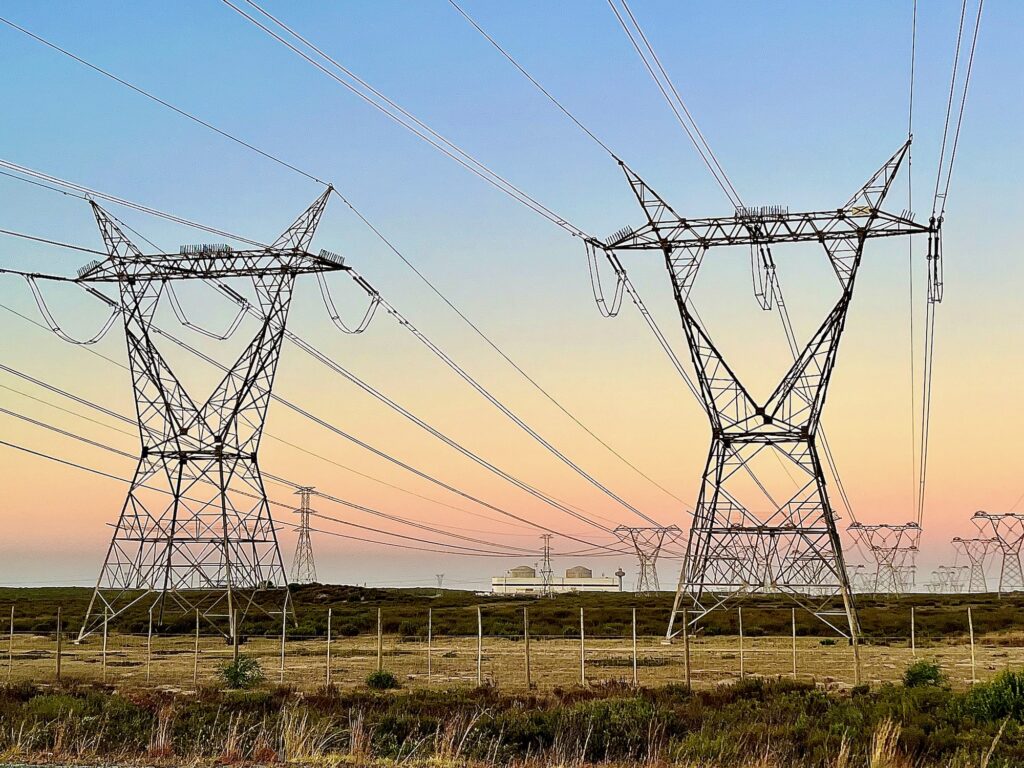
The recent announcement regarding Eskom’s proposed nuclear power station has sparked a whirlwind of public interest, igniting discussions about energy generation, environmental considerations, and community engagement. As the utility giant seeks to establish a 5,200MW nuclear facility in South Africa, the extension of the public review period for its Environmental Scoping Report serves as a critical moment for stakeholders to voice their opinions and concerns. This development not only underscores the complexities of nuclear energy projects but also highlights the importance of thorough public participation in the decision-making process.
Eskom, South Africa’s primary electricity supplier, has identified two potential locations for the new nuclear power plant: Thyspunt, located between Oyster Bay and Cape St Francis, and Bantamsklip, which is near Pearly Beach on the Overberg coastline. Initially, the deadline for public comments was set for May 5, but due to the sheer volume of documentation and the public’s intense engagement, this deadline has been extended for an additional three weeks, now closing on May 25. This extension is intended to facilitate a more inclusive dialogue between the public and the utility, as Eskom aims to address the concerns of nearly 12,000 stakeholders involved in the project.
The Environmental Scoping Report is a crucial document that outlines the potential impacts of the proposed nuclear facility and serves as a foundation for the comprehensive Environmental Impact Assessment (EIA) that will follow. This process is designed to ensure that the environmental, social, and economic implications of the project are thoroughly evaluated. However, this undertaking is not without its challenges. During a recent virtual meeting, participants expressed frustration over the limited time available to review a staggering 2,700 pages of documentation, along with supplementary materials that will be provided.
The public participation aspect of this process is being managed by the WSP Group Africa, an environmental and sustainability consulting firm appointed by Eskom as the Environmental Assessment Practitioner (EAP). While the intention is to foster openness and inclusivity, many participants voiced concerns about the feasibility of providing meaningful feedback within the stipulated timeline. Comments from attendees highlighted the disparity in resources between the general public and the large organizations involved in the project. One participant, identifying herself only as Jane, articulated a common sentiment, questioning how an average citizen could be expected to comprehend and respond to such an extensive volume of information in a short period.
Critics of the current timeline, including Gary Koekemoer from the Wildlife and Environment Society of South Africa, underscored the inherent complexities of this process. They argued that the detailed nature of the specialist reports and the overall scope of the EIA make it nearly impossible for ordinary citizens to engage effectively within the given constraints. Such frustrations raise essential questions about the adequacy of public consultation processes and the commitment of decision-makers to genuinely consider community input.
Investors and traders in the energy sector should take note of the implications of this extended public review period. The development of a nuclear facility is a significant financial undertaking, influenced by regulatory approvals, public sentiment, and environmental considerations. The outcome of the EIA and the subsequent public engagement process will inevitably affect Eskom’s strategic direction and operational viability. Additionally, stakeholder responses could influence the perception of nuclear energy as a sustainable solution to South Africa’s energy crisis, impacting investment confidence in the broader energy market.
As we look ahead, several key points emerge from this ongoing discussion. First, the importance of transparent and accessible public engagement cannot be overstated. For projects of this magnitude, involving the community in a meaningful way is essential for building trust and ensuring that diverse perspectives are considered. Second, the challenges faced by ordinary citizens in navigating technical documents highlight the need for simplified communication and resources that empower the public to participate effectively. Lastly, the potential for delays in the decision-making process may create uncertainty for investors, emphasizing the importance of a clear timeline for project progression.
In conclusion, Eskom’s extension of the public review period for its proposed nuclear power station represents a critical juncture in the intersection of energy policy, environmental stewardship, and community engagement. As stakeholders continue to weigh in on the project, the implications for South Africa’s energy landscape and investment opportunities remain significant. It is essential for Eskom and the EAP to prioritize a responsive and inclusive dialogue, ensuring that the voices of the community are heard and considered in the decision-making process. The future of nuclear energy in South Africa hangs in the balance, and the outcomes of this public engagement will shape the trajectory of the nation’s energy future.