
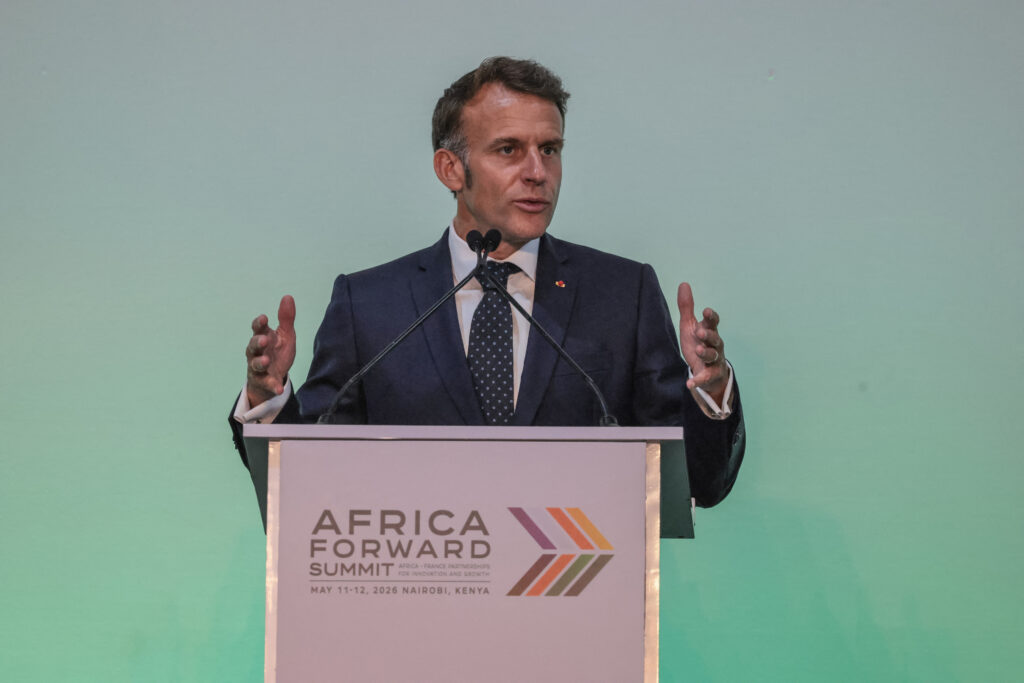
The recent France-Africa summit has signaled a significant shift in how European powers, particularly France, view their relationship with Africa. Rather than continuing the traditional model of providing financial aid, which often resulted in dependency, President Emmanuel Macron has championed a new approach centered on investment and partnership. This paradigm shift was underscored by a substantial pledge of €23 billion (approximately $27 billion) from investors during the Africa Forward Summit held in Nairobi, marking the first time this event took place in an English-speaking nation. As Africa makes strides in economic development, understanding this new investment landscape becomes crucial for investors and traders alike.
The Africa Forward Summit, attended by numerous heads of state and around 7,000 delegates from various sectors, was more than just a gathering; it was a platform for redefining relationships between France and African nations. Macron’s assertion that “those days are behind us” when referring to financial aid indicates a desire for a more equitable partnership. This shift comes in the wake of France losing influence in some of its former colonies and aims to rebuild relationships, especially with English-speaking countries along Africa’s east coast.
At the core of this summit was the notion that Africa’s development should not be dictated by external forces. Macron emphasized the importance of collaboration, stating, “Let’s take a leap together.” This sentiment resonated with many attendees, including Kenyan President William Ruto, who co-hosted the summit and is advocating for significant reforms in the global financial system. Ruto highlighted that the continent’s 1.6 billion inhabitants are often subjected to unfair financial practices, including high borrowing costs and limited access to concessional finance.
One of the summit’s primary goals was to establish a new framework for African investment that focuses on domestic resource mobilization, innovation, and the importance of strategic partnerships. Ruto articulated a vision where Africa moves beyond a dependency on aid and unsustainable borrowing, calling for a shift to a model rooted in investment-driven growth. This aligns with Macron’s call for a reevaluation of the north-south relationship, emphasizing the need for better representation of African nations in international financial institutions and organizations like the United Nations Security Council.
For investors and traders, this emerging landscape presents numerous opportunities. The commitment of €23 billion from various stakeholders signals a growing confidence in Africa’s potential as a viable investment destination. Sectors such as technology, infrastructure, and renewable energy are particularly ripe for investment, as they align with the continent’s development goals and the increasing demand for sustainable solutions.
Several key takeaways emerge from the summit and this new investment strategy. First, the shift from aid to investment signifies a more sustainable approach to development, fostering self-reliance among African nations. This transition could lead to enhanced economic stability and growth, making the continent an attractive market for investors. Second, the emphasis on equal partnership highlights the need for transparency and collaboration, which could help mitigate risks associated with investment in emerging markets.
From a trader’s perspective, understanding the nuances of this new investment framework is essential. As African nations seek to attract foreign investment, it will be critical to monitor policy changes, infrastructure developments, and economic indicators that signal growth potential. The focus on innovation and technology also suggests that sectors related to digital transformation may experience significant growth, offering lucrative opportunities for early investors.
In conclusion, the France-Africa summit marks a pivotal moment in the relationship between Europe and Africa, transitioning from a dependency model to one focused on investment and partnership. With significant financial commitments and a shared vision for the continent’s future, this new approach not only promises to empower African nations but also opens the door for investors seeking to tap into one of the world’s most promising markets. As we witness this evolution, it is essential for traders and investors to stay informed and adaptable, leveraging the opportunities that arise in this dynamic investment landscape.