
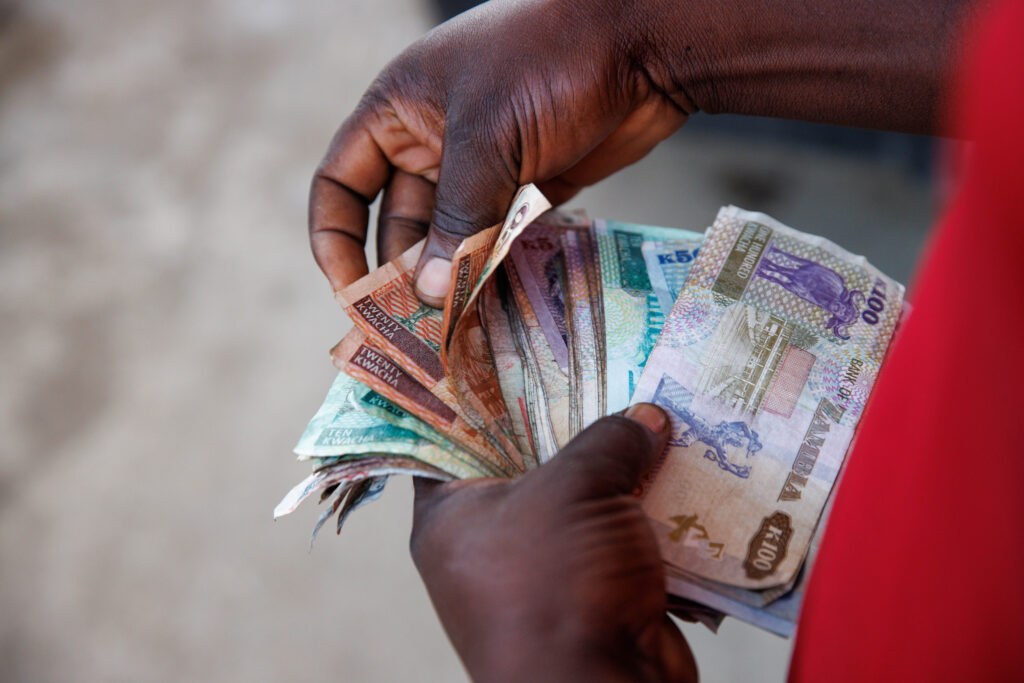
In a world where central banks are increasingly hesitant to adjust monetary policies due to geopolitical tensions, Zambia has taken a bold step by continuing its easing cycle. The Bank of Zambia recently announced a reduction in its benchmark interest rate, signaling a proactive approach to managing economic conditions in the face of external pressures. This decision is particularly noteworthy as it highlights the bank’s commitment to fostering domestic stability while navigating a tumultuous global landscape.
Zambia’s central bank lowered the benchmark interest rate from 13.5% to 13.25%, marking the third consecutive cut in recent months. Governor Denny Kalyalya emphasized that this decision was influenced by several factors, including expectations for a favorable corn harvest and the relative stability of the Zambian exchange rate. This move positions Zambia alongside a small group of nations, such as the Democratic Republic of Congo and Guinea, that have also opted to reduce borrowing costs in response to the evolving economic climate since the outbreak of conflict in the Middle East.
As the global community grapples with the implications of the ongoing war in Iran, Zambia’s policymakers are treading carefully. The conflict has introduced new risks, particularly in terms of rising costs for essential goods such as food, fertilizers, and energy. The blockade of the Strait of Hormuz, a crucial corridor for a significant portion of the world’s oil and gas shipments, has had a pronounced impact on global supply chains. Consequently, Zambia, as a net importer, faces unique challenges that necessitate thoughtful monetary policy adjustments.
The central bank’s decision to lower interest rates comes at a time when inflation in Zambia has remained within the targeted range of 6% to 8% since February. This is a positive sign for consumers and businesses alike, as it suggests that price stability is being maintained. However, the ongoing geopolitical tensions present uncertainties that could disrupt this stability in the future. Recognizing this, the monetary policy committee adopted a cautious approach, weighing the potential upside risks associated with the conflict against the benefits of easing borrowing costs domestically.
One of the key strategies employed by the Zambian government to mitigate the impact of rising prices has been the suspension of fuel taxes until the end of June, along with the zero-rating of value-added tax on essential goods. These measures are designed to alleviate the financial burden on consumers and support economic activity amid rising costs. Furthermore, Zambia is actively seeking financial assistance from international institutions such as the International Monetary Fund (IMF) and the World Bank to bolster its economic resilience. Discussions with the IMF regarding a new program are expected to conclude after the upcoming elections in August, reflecting a commitment to securing external support as the country navigates these turbulent waters.
For traders and investors, Zambia’s monetary policy decisions and the broader economic landscape present both challenges and opportunities. The interest rate cuts may stimulate borrowing and investment within the country, potentially leading to increased consumer spending and economic growth. However, the looming uncertainties tied to global events, particularly in the Middle East, could impact market sentiment and investment strategies. It is crucial for investors to remain vigilant and monitor developments closely, as shifts in global oil prices and supply chain disruptions may influence local economic conditions.
In conclusion, Zambia’s recent interest rate cut exemplifies a proactive and strategic approach to managing economic challenges amid a backdrop of global uncertainty. By carefully considering domestic agricultural prospects and the potential impacts of international conflicts, the Bank of Zambia is navigating a complex economic landscape. As the country seeks to stabilize its economy and support its citizens through targeted measures, traders and investors must stay informed and adaptable to leverage potential opportunities while remaining cautious of external risks. The unfolding situation in Zambia serves as a reminder of the interconnectedness of global economies and the importance of sound monetary policy in fostering resilience in uncertain times.