
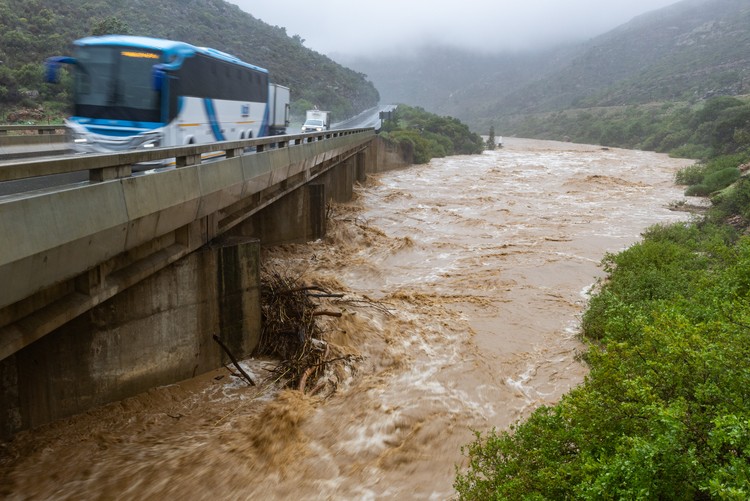
In recent weeks, the Western Cape has faced one of its most devastating storms in recent memory, leaving behind a trail of destruction and raising critical questions about liability in the face of natural disasters. The implications of this storm extend beyond the immediate physical damage to homes and infrastructure; they touch on complex insurance claims and potential liability disputes that can arise when property damage affects neighboring properties. Short-term insurers are now warning that many claims stemming from this event may involve contentious liability elements, particularly concerning fallen trees.
The storm, which struck from May 10 to May 12, wreaked havoc across Cape Town and surrounding areas, resulting in flooded roads, uprooted trees, and widespread chaos. Tragically, the storm claimed the lives of three individuals due to incidents involving fallen trees. As local authorities assess the damage, it has become apparent that the storm has not only disrupted daily life but also posed significant challenges for insurers and those seeking compensation for their losses.
Understanding Liability in Storm Damage Claims
One of the major issues emerging from the aftermath of the storm is the question of liability when it comes to tree-related damage. Ernest North, co-founder of Naked Insurance, shed light on this matter, explaining that in many cases, the liability for damage caused by a fallen tree may not be straightforward. Typically, if a tree from one property falls on another property during an extreme weather event, the damage is seen as outside the control of the tree’s owner. This means that the affected party’s own insurance is likely to cover the damages.
However, liability can become a contentious issue if it can be demonstrated that the property owner neglected their responsibility to maintain the tree. For example, if a tree was visibly dead, rotten, or unstable, or if the owner had received warnings about its condition but failed to act, liability could shift back to the property owner. In such cases, the nuances of each individual claim will need to be carefully examined, leading to potentially protracted disputes.
Key Points to Consider
1. **Understanding Insurance Coverage**: Property owners should familiarize themselves with their insurance policies, especially regarding natural disasters and liability coverage. Knowing what is covered can help mitigate financial losses.
2. **Documentation is Crucial**: After a storm, homeowners should document damages thoroughly. This includes taking photographs and keeping records of any communications with neighbors or insurance companies.
3. **Consult with Professionals**: Engaging with legal or insurance professionals can provide clarity on liability issues, especially when disputes arise. Having expert advice can help navigate the complexities of claims and liability.
4. **Community Responsibility**: The storm has highlighted the importance of community awareness regarding tree maintenance. Property owners should regularly assess the health of trees on their property, particularly those that could impact neighboring homes.
Insights for Traders and Investors
For traders and investors, the aftermath of such natural disasters can present both challenges and opportunities. On one hand, the destruction caused by the storm may lead to a temporary decline in property values and disruptions within local economies. On the other hand, this situation opens avenues for investment in reconstruction and recovery efforts, particularly in sectors such as construction, infrastructure, and insurance.
Investors should pay attention to companies involved in storm recovery, including those providing building materials, repair services, and insurance. Additionally, the event underscores the growing need for companies to adapt their risk models in the face of increasing climate variability, creating potential for innovation in risk assessment and management technologies.
Conclusion
The recent storm in the Western Cape serves as a stark reminder of nature’s unpredictable power and the complexities that arise in its wake. As homeowners and insurers grapple with the consequences of the storm, the issue of liability remains a critical conversation. With the frequency of extreme weather events on the rise, understanding the intricacies of insurance claims and property responsibilities is more important than ever. By staying informed and proactive, individuals can better navigate the challenges posed by such natural disasters, while investors can pinpoint opportunities that emerge in the recovery phase. As the community begins to rebuild, a focus on resilience and responsibility will be essential in mitigating future risks associated with severe weather.