
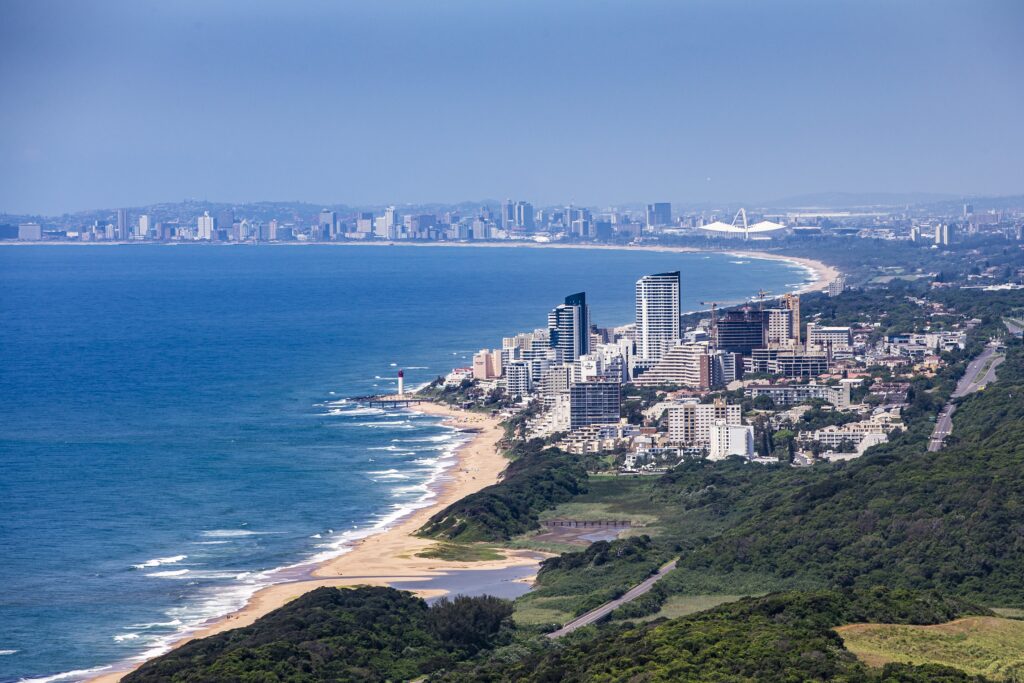
As South Africans brace themselves for a challenging economic climate, residents of the eThekwini metro area, which includes greater Durban, are facing some of the steepest municipal tariff hikes set to take effect this July. With the costs of essential services such as water, sanitation, refuse collection, and electricity on the rise, understanding these changes is crucial for households and businesses alike. This blog post delves into the details of the proposed increases, their implications, and what stakeholders need to consider moving forward.
The eThekwini municipality has outlined that starting July 1, residential water tariffs will see an average increase of 15%. Additionally, sanitation and refuse collection tariffs are expected to rise by 13% each. Meanwhile, the proposed electricity tariff hike stands at 10.5%, which, while significant, is still lower than the 12.8% increase proposed by Nelson Mandela Bay. Such increases are driven by various factors, including rising operational costs and regulatory adjustments.
The National Energy Regulator of South Africa (Nersa) has approved an increase of 9.01% for Eskom’s bulk electricity supply to municipalities, effective from July 2026, with a further rise of 8.83% scheduled for July 2027. Interestingly, while eThekwini and Nelson Mandela Bay are at the forefront of these hikes, other major metropolitan areas are adopting a more conservative approach. For instance, Cape Town is considering a decrease in its rate-in-the-rand despite an average 17.1% rise in residential property values.
Essentially, the proposed increases across various municipalities highlight a broader trend of rising costs associated with public utility services. In eThekwini, Mayor Cyril Xaba identified the 13% bulk water tariff increase from uMngeni-uThukela Water as a primary driver of the rate hikes. This increase, he noted, significantly outpaces consumer price inflation, placing additional financial strain on residents.
The City of Johannesburg is also implementing notable changes, with a proposed 12.5% hike in water tariffs accompanied by an astonishing 65.6% increase to the water demand management levy. This levy is a monthly charge that every household must pay, set to rise from R65.08 to R107.74, excluding VAT. Consequently, residents can expect their total water expenses to increase by approximately 14%, depending on their consumption patterns.
It is essential to consider that while tariff increases are often met with concern, they reflect the underlying economic realities faced by municipalities—rising operational costs, inflation, and the need for infrastructure investment. For example, the City of Ekurhuleni has linked its proposed 14% increase in water tariffs to Rand Water tariffs, emphasizing that external factors heavily influence these decisions. Rand Water itself has forecasted a 10% increase in bulk water tariffs driven by uncontrollable costs such as raw water pricing, electricity costs, and chemical expenses.
Key takeaways from the proposed tariff increases include:
1. **Steep Increases Across the Board**: Residents in eThekwini and other major metros should prepare for significant hikes in their utility bills, particularly for water, sanitation, and electricity.
2. **Inflationary Pressures**: Rising tariffs are largely a response to inflation and increased operational costs, underscoring the financial challenges municipalities face in maintaining and upgrading infrastructure.
3. **Regional Differences**: Not all metros are adopting the same approach to tariff increases, with some areas like Cape Town proposing reductions even amid rising property values.
4. **Importance of Awareness**: Stakeholders, including traders and investors, should remain informed about these changes, as they may impact local economies and property values.
For traders and investors, understanding these dynamics is critical. The looming increases in utility tariffs may elevate the cost of doing business, potentially influencing decisions around investment and expansion in affected regions. Moreover, as municipalities struggle to balance budgets while providing essential services, there could be implications for local economic growth and property market performance.
In conclusion, the announced tariff increases by the eThekwini metro and other municipalities serve as a reminder of the complexities within South Africa’s public utility landscape. As residents prepare for these changes, it is essential to engage with local government initiatives and explore avenues for managing costs effectively. Staying informed and adaptable can help mitigate the impact of rising tariffs on household budgets and business operations alike, ensuring a more resilient approach to financial planning in challenging times.